



Follow us online
Featured Plants
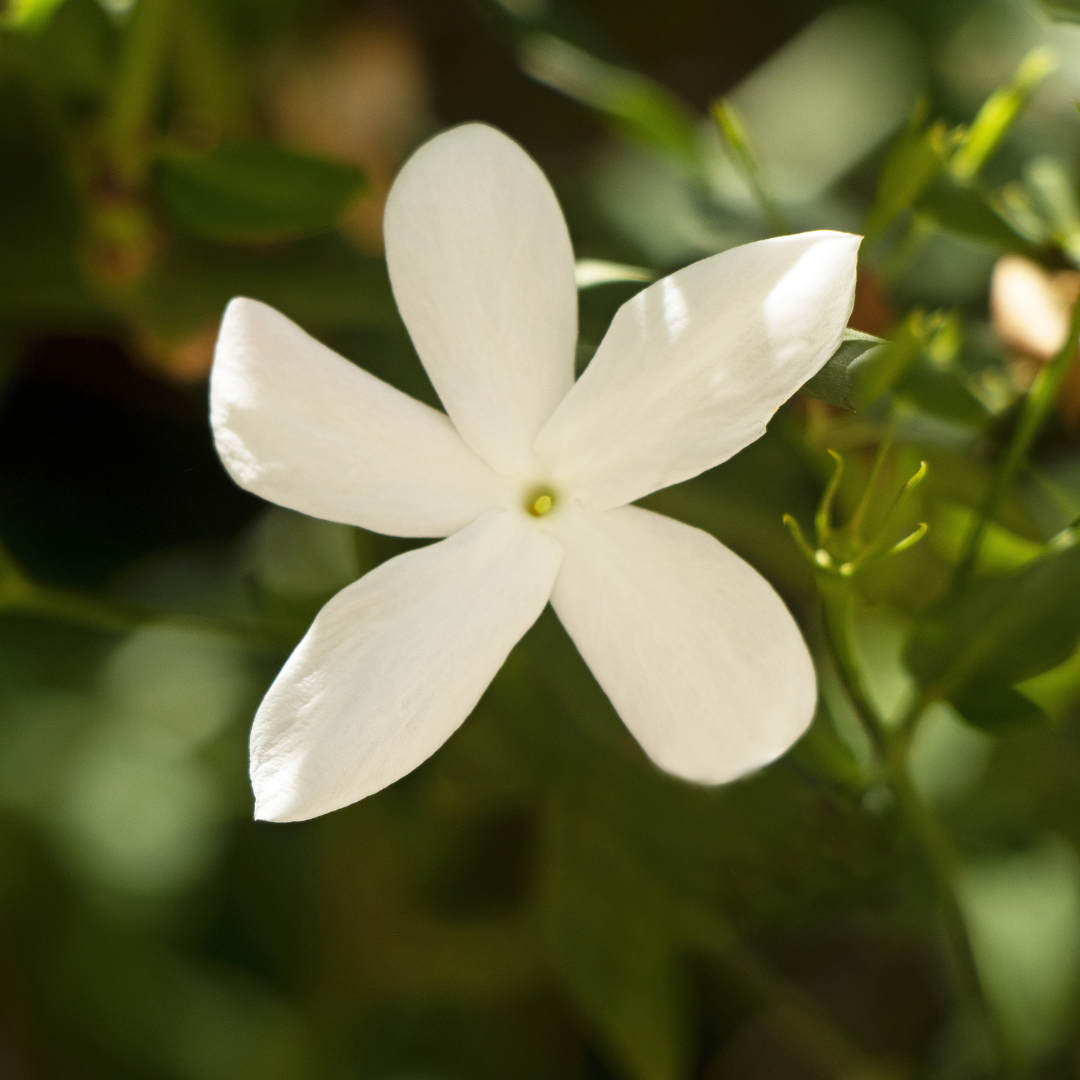
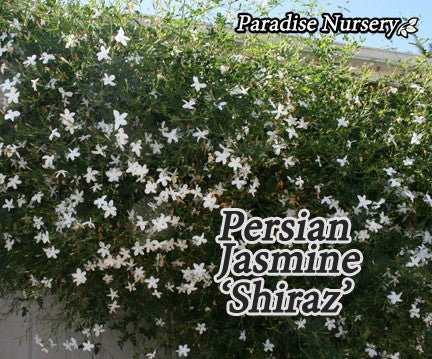
Persian Jasmine Plant
from $55.00
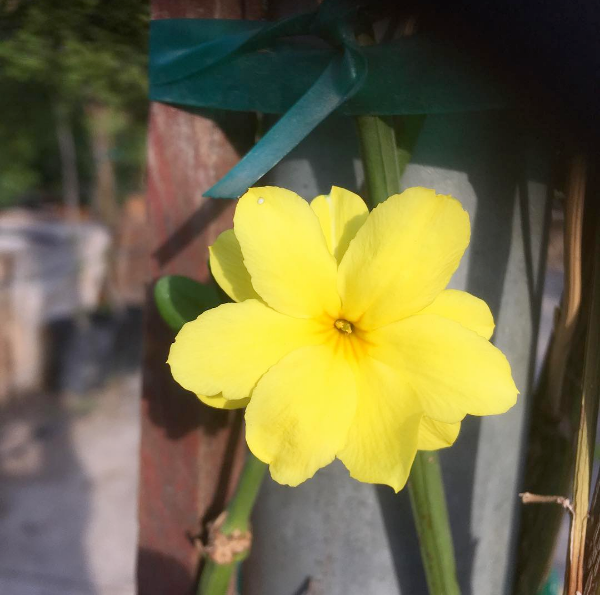
Paradise Nursery’s Persian Jasmine is originally from the Southern city of Shiraz, which is known for its majestically manicured gardens. It produces a very pleasantly aromatic white pin shaped flowers. While similar in size and shape to the Pink Jasmine, this plant produces flowers year round. The fragrance of the flowers is mild and pleasant. This beautiful vigorous climbing plant needs a minimum of four hours of sun daily. It can be planted along a trellis, walls, or up columns. Persian Jasmines are also known as Poet’s Jasmines, and are vigorously growing with twining dark green branches that thrive under full sun or partial shade. This is among the star-shaped or pinwheel flower cultivars. With regular watering and proper pruning, these beautiful vining jasmines can produce amazingly aromatic blossoms in your garden. Originating from the Shiraz province of Iran, this climbing jasmine produces very good fragrant blossoms that are long lasting. Grown in the full sun this jasmine produces flowers all year round.
Originating from the Shiraz province of Iran, this climbing jasmine produces very good fragrant blossoms that are long lasting. Grown in the full sun, this jasmine produces flowers all year round.
The Persian Jasmine is originally from the Southern city of Shiraz, which is known for its majestically manicured gardens. It produces a very pleasantly aromatic white pin shaped flowers. Similar in size and shape to the Pink Jasmine, this plant produces flowers year round. . This beautiful vigorous climbing plant needs a minimum of four hours of sun daily. This jasmine can be planted along a trellis, walls, or up columns and are vigorously growing with twining dark green branches that thrive under full sun or partial shade. This is among the star-shaped or pinwheel flower cultivars. With regular watering and proper pruning, these beautiful vining jasmines can produce amazingly aromatic blossoms in your garden.
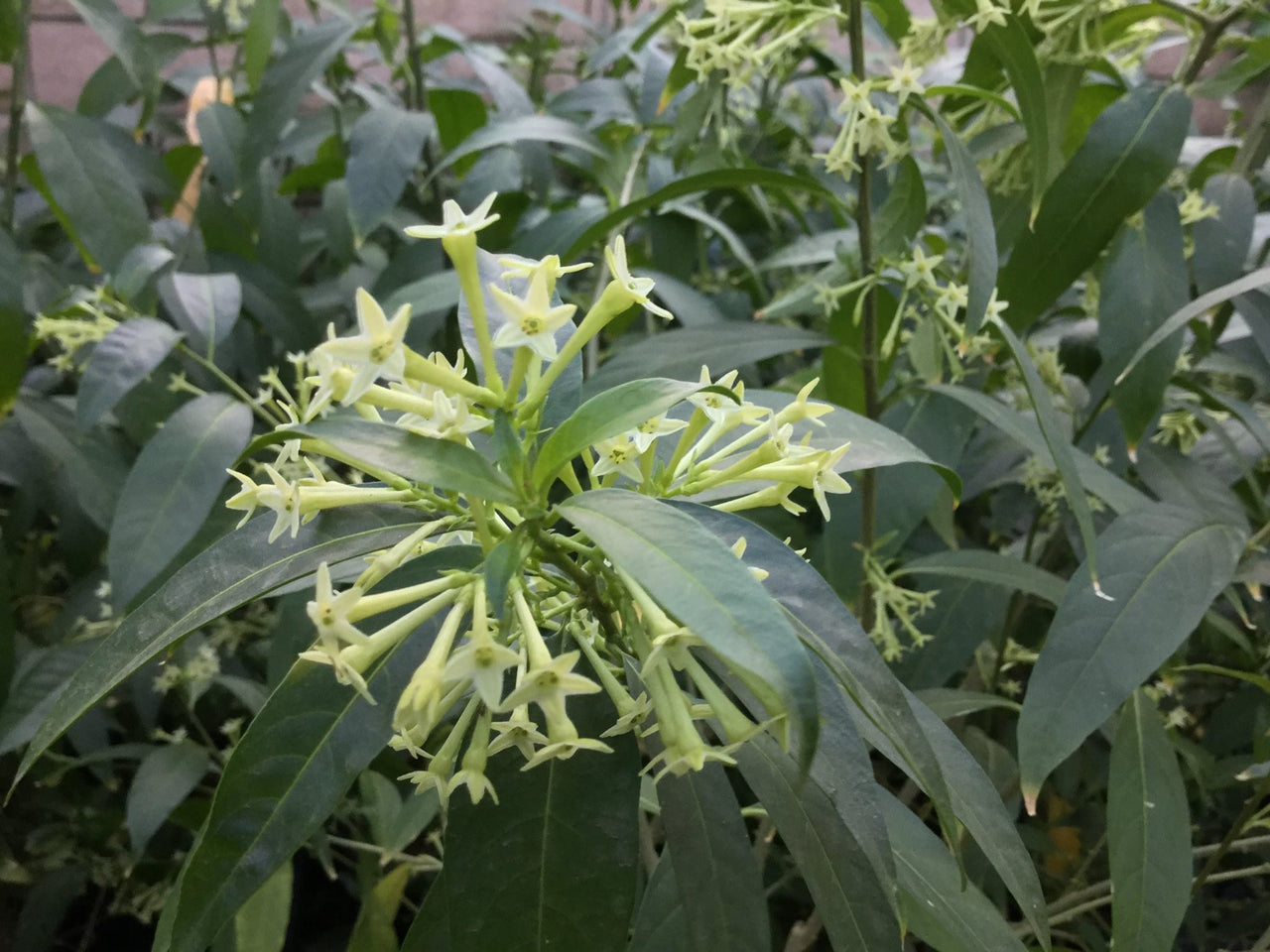
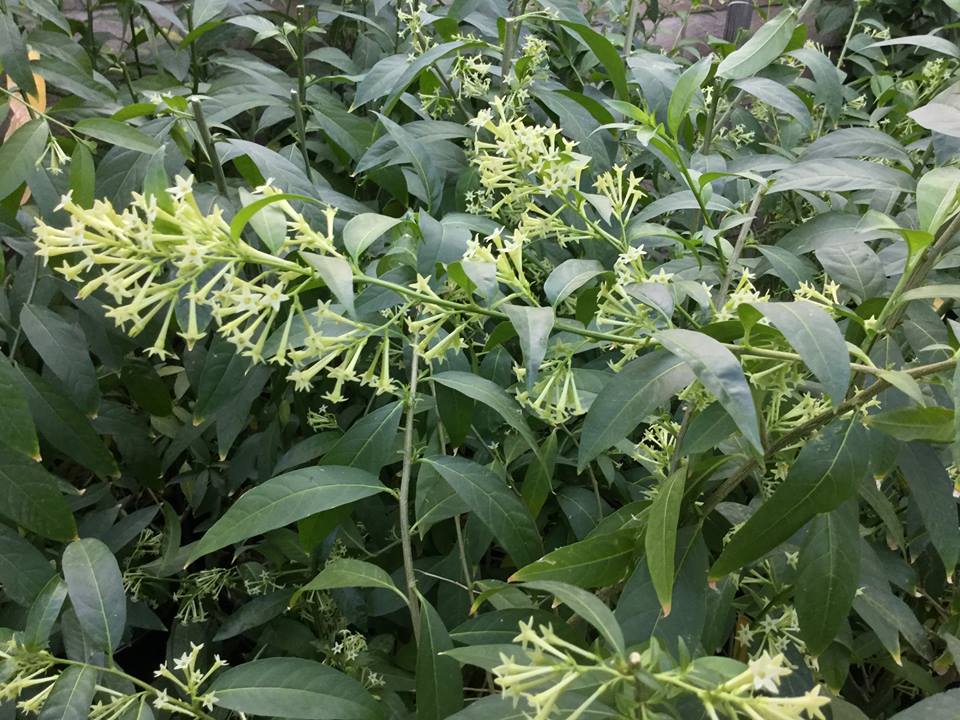
Persian Night Blooming Jasmine
from $55.00
Persian Night Blooming Jasmine (Mahboobe Shab) Information and Care
Persian Night Blooming Jasmine, also known as Mahboobe Shab in Farsi, is a beautiful and fragrant plant with dark green leaves and delicate yellowish blossoms. Its flowers emit a captivating fragrance, especially at night, making it a popular addition to gardens and outdoor spaces. This versatile plant can be grown as a shrub or trained as a climbing vine.
Plant Description
Foliage: Long, dark green leaves provide a lush and attractive backdrop to the flowers.
Flowers: Small, yellowish blossoms bloom in spring and fall. The fragrance is strongest in the evening and at night, adding a pleasant aroma to your garden.
Growth Habit: The plant can be grown as a large shrub or trained as a climbing vine, making it versatile for different landscaping needs.
Care Instructions
Sunlight: Persian Night Blooming Jasmine thrives in full sun or partial shade. In hot climates, some afternoon shade can help protect the plant from intense heat.
Watering: Provide regular watering to keep the soil consistently moist but not waterlogged. It is important to water more frequently during the hot summer months.
Soil: This plant prefers well-draining soil and can tolerate a range of soil types, but it grows best in rich, loamy soil.
Fertilization: Use an all-purpose fertilizer during the growing season to encourage healthy growth and vibrant blooms. Apply the fertilizer in spring and again in early fall.
Pruning: Prune in winter when temperatures are cooler to maintain the plant’s shape and remove any dead or damaged branches. Thin out in the summer as needed to control size and shape.
Growth and Landscaping Uses
Shrub or Vine: Grow Persian Night Blooming Jasmine as a large shrub or train it up a post or trellis as a climbing vine. This plant is easy to grow and can be shaped to suit your garden’s design.
Hedges and Privacy: Its dense foliage makes it ideal for creating hedges or privacy screens. Plant near a wall for additional support and to enhance your garden’s visual interest.
Fragrance: For a wonderful nighttime aroma, plant near windows, patios, or barbecue areas where you can enjoy the fragrant blooms.
Benefits
Fragrance: One of the key features of this plant is its strong, pleasant nighttime fragrance, which makes it ideal for evening gardens or outdoor sitting areas.
Low Maintenance: Persian Night Blooming Jasmine is easy to grow and requires minimal maintenance once established.

Star Jasmine (Trachelospermum jasminoides)
from $45.00
Bring the signature scent of Southern California directly into your landscape with our premium Staked Star Jasmine (Trachelospermum jasminoides) collection.
Intense, Sweet Aroma: Famous for its pinwheel-shaped white blossoms that release an enchanting, honey-like fragrance, heavily perfuming the warm Los Angeles air from late spring through summer.
Instant Vertical Appeal: Our staked design makes these climbers ready to effortlessly frame entryways, soften fence lines, or wind elegantly up patio arbors and trellises.
Southern California Hardy: Highly adaptable to the LA climate. This versatile evergreen thrives in full morning sun to partial afternoon shade and becomes exceptionally drought-tolerant once established.
Low Maintenance: Unlike true jasmines, Trachelospermum jasminoides lacks aggressive, invasive root structures. It won't damage your walls or siding, making it a safe and elegant choice for suburban gardens and tight urban patios alike.
Browse our curated sizing options below to find the perfect fit for your landscaping goals. Available for secure online ordering with fast, reliable local delivery options straight from Paradise Nursery.

Rose - Bolero
from $45.00
Bolero Rose (Rosa 'Meidelweis') is a romantic floribunda rose prized for its full, old-fashioned white blooms and strong, sweet floral-fruity fragrance. Each lush flower opens in packed clusters of pure creamy white petals with a soft blush-pink center, looking like a classic garden rose on a compact, tidy shrub. Blooming continuously from late spring through fall, this disease-resistant bush pairs rich, glossy green leaves with sturdy stems that are wonderful for cutting and arranging in a vase. Because it handles warm, sunny weather well, it thrives in Southern California gardens and patio containers alike.

Rose - Double Delight
from $45.00
Each large flower opens with a creamy white center edged in bright cherry red, and the red color deepens the more sunlight the petals get. Blooming in steady waves from late spring through fall, this sturdy, upright bush pairs lush green leaves with long stems that are wonderful for cutting and bringing indoors. Because it loves warm, sunny weather, it thrives in Southern California gardens.
We have healthy Double Delight roses ready for your yard in two popular sizes:
5-Gallon Pot: A great everyday size for starting a new rose bed, planting along a sunny walkway, or growing in a large patio container.
15-Gallon Pot: A bigger, more established bush that gives your landscape instant color, fuller branches, and plenty of blooms right away.
Shop online for local delivery or visit us in Los Angeles for friendly, helpful tips on planting, watering, and pruning.

Rose - Julia Child
from $45.00
Each full, old-fashioned flower opens in generous clusters of rich yellow petals that hold their warm color without fading in the sun. Blooming continuously from late spring through fall, this rounded, disease-resistant bush pairs glossy green leaves with sturdy stems that are wonderful for cutting and arranging in a vase. Because it loves warm, sunny weather, it thrives in Southern California gardens and patio containers alike.

Rose - Koko Loco
from $0.00
Koko Loko Rose (Rosa 'Wekbijou') is a standout floribunda rose famous for its unique, vintage-inspired blooms and light, sweet fragrance. Each flower starts out as a warm milky-chocolate and café-au-lait shade before gently shifting into a soft, smoky lavender as it opens. Blooming in generous clusters from late spring through fall, this medium-sized, rounded bush pairs glossy green leaves with sturdy stems that are wonderful for cutting and arranging in a vase. Because it handles warm, sunny weather well, it thrives in Southern California gardens.
Shop online for local delivery or visit us in Los Angeles for friendly, helpful tips on planting, watering, and pruning.
Ficus Nitida - Ficus 'Indian Laurel'
from $50.00
Ficus Nitida Hedge (Indian Laurel Fig)
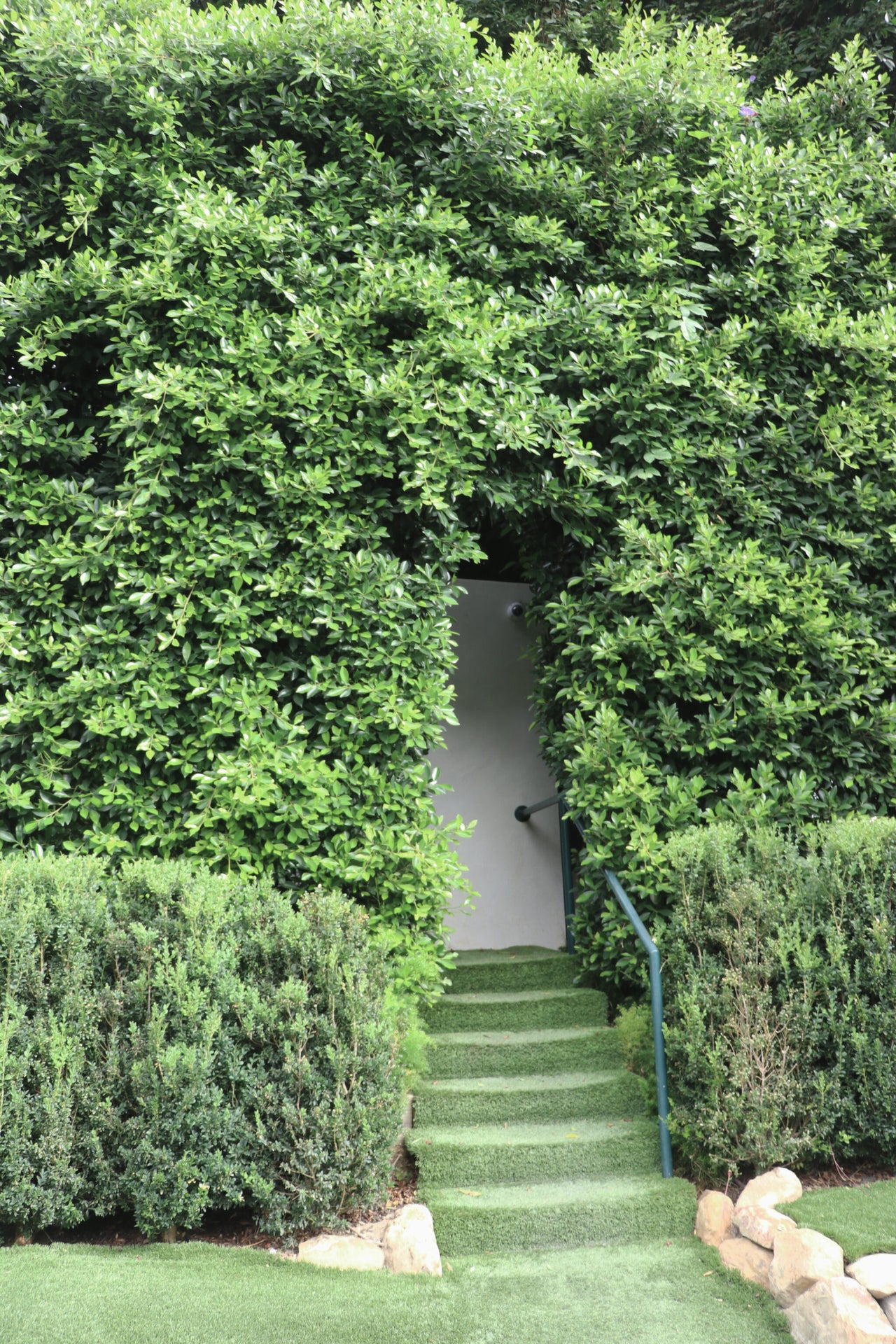
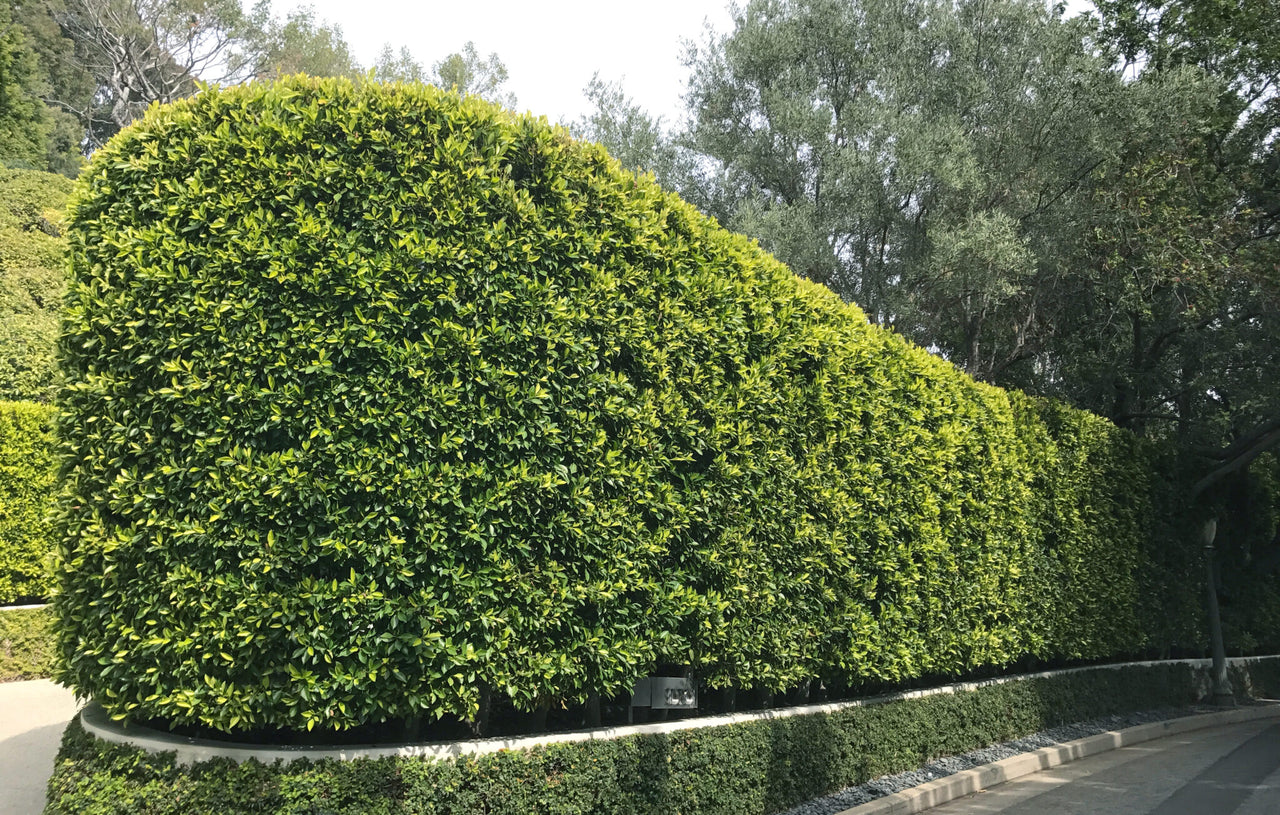
Create a lush, year-round privacy wall with FIcus Nitida (Ficus microcarpa 'Nitida'). Prized throughout Southern California for its dense, glossy green foliage and fast growth rate, this evergreen tree easily shapes into a formal, manicured hedge or a natural privacy screen. Whether blocking street noise, framing a property line, or creating a backyard sanctuary, Ficus Nitida delivers instant structure and timeless curb appeal.
Available Sizes
15 Gallon: Typically 5 feet tall upon arrival. Ideal for establishing a thick privacy screen quickly at a great value.
25 Gallon: Typically 9 feet tall upon arrival with a fuller canopy and thicker trunk. Best for immediate privacy and instant visual impact.
Planting & Spacing Instructions
Location: Select a planting site with full sun to partial shade. Keep away from underground pipes, septic lines, and shallow foundations, as Ficus develops a vigorous root system.
Spacing by Size:
15 Gallon: Space 2 to 3 feet apart (center-to-center) for a tight, seamless hedge within 1 to 2 years.
25 Gallon: Space 3 to 4 feet apart (center-to-center) to allow room for their broader canopies to knit together smoothly.
Soil & Digging: Dig a hole twice as wide as the root ball and just as deep. Backfill with a 50/50 blend of your native soil and organic planting mix to improve drainage.
Planting: Place the tree so the top of the root ball sits level with or slightly above the surrounding soil line. Backfill, tamp down gently to remove air pockets, use the remaining native soil to create a watering basin ring around the tree, and water thoroughly.
Care Guide
Watering: Water deeply 2 to 3 times per week after planting to ensure full root saturation. Adjust your watering frequency by season rather than changing how long you run the water—increase days per week during hot summer months and scale back in the winter. [1]
Fertilizing: Feed every 3 months during the active growing season with a slow-release complete fertilizer featuring an even ratio or higher nitrogen content.
Pruning: Trim 2 to 3 times per year to maintain your desired height and encourage dense, side-branching growth. Keep the base slightly wider than the top so sunlight reaches the lower leaves.
Cold Tolerance: Thrives in USDA Zones 9–11. Protect young trees from rare hard frosts below 28°F.
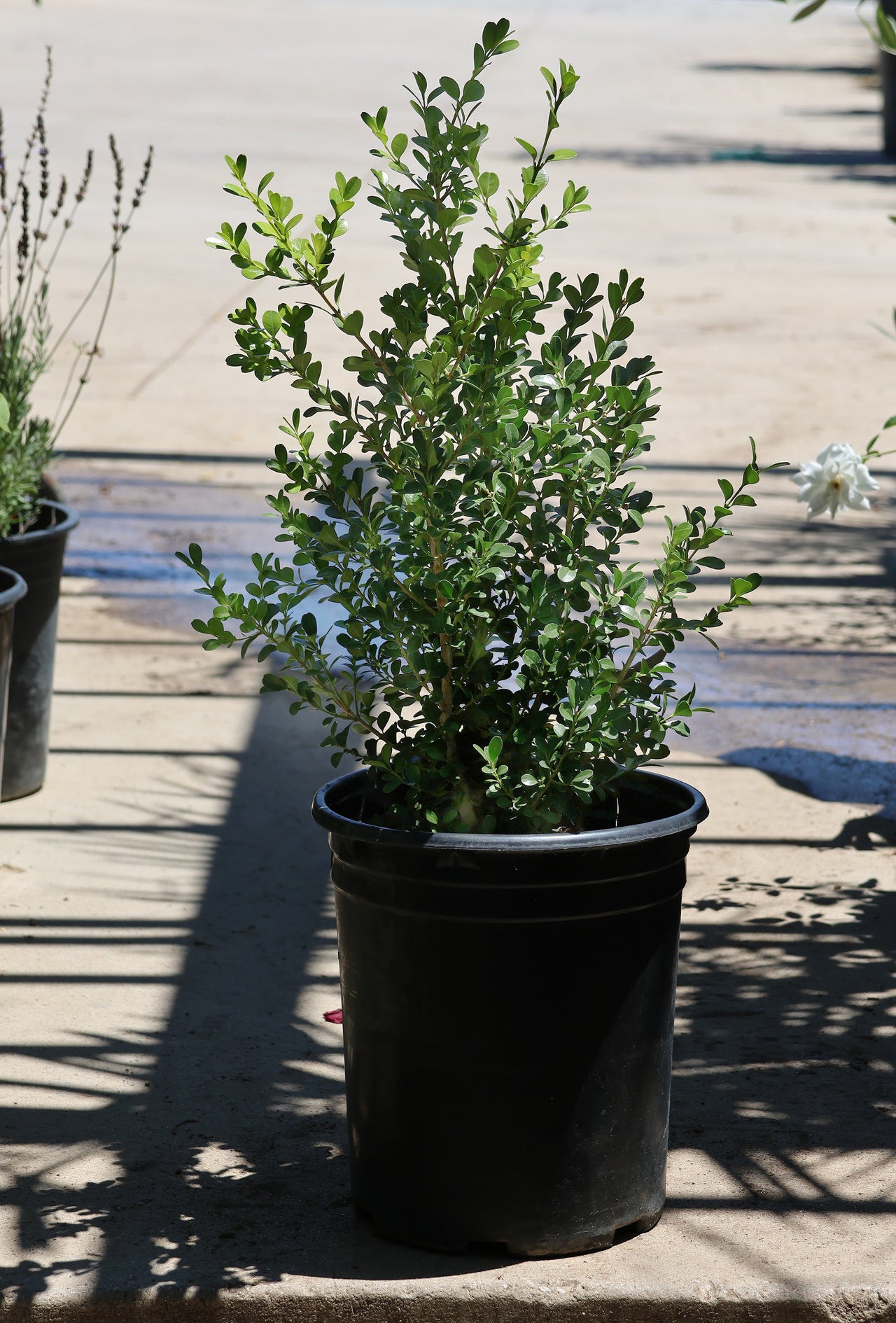
Japanese Boxwood 5 Gallon
from $12.99
Japanese Boxwood (Buxus microphylla var. japonica)
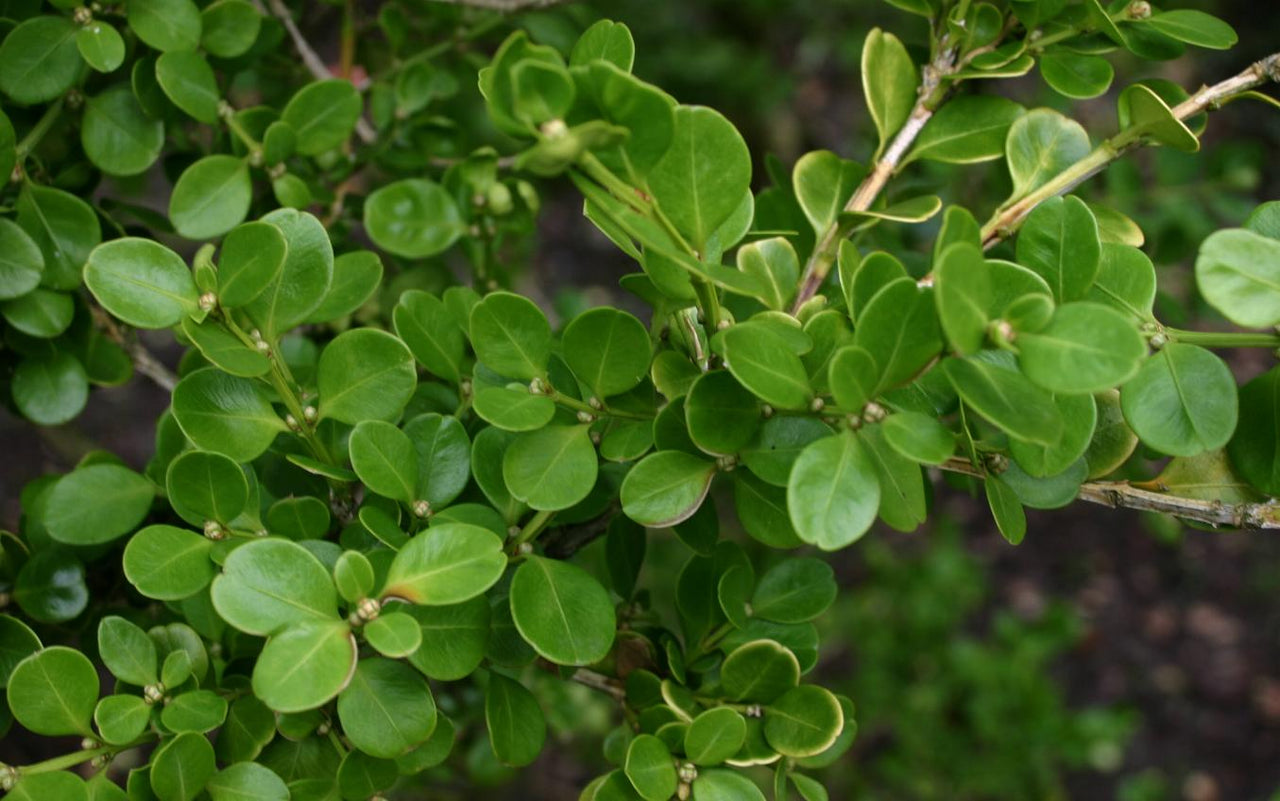
Timeless, compact, and easy to shape, the Japanese Boxwood (Buxus microphylla var. japonica) is a staple evergreen shrub for Southern California landscapes. Featuring dense, bright-to-deep green foliage and a naturally rounded growth habit, it excels as a low formal hedge, neat walkway border, foundation planting, or decorative container accent. Unlike some other boxwood varieties, Japanese Boxwood holds its rich green color well in warm climates and stands up reliably to sun and heat.
Available Size
5 Gallon: Full, well-branched nursery specimen ready for immediate landscape installation. Ideal for establishing crisp borders, low privacy hedges, or structured foundation plantings.
Planting & Spacing Instructions
Location: Plant in full sun to partial shade. In hotter inland areas, afternoon shade helps prevent leaf scorch and keeps foliage lush.
Spacing: Space 2 to 3 feet apart (center-to-center) for a continuous, dense low hedge, or 3 to 4 feet apart for individual rounded accents.
Soil & Digging: Dig a hole twice as wide as the root ball and just as deep. Japanese Boxwood prefers well-draining soil; amend heavy clay with organic planting mix to ensure healthy root development.
Planting: Set the shrub so the top of the root ball sits level with—or slightly above—the surrounding soil line. Backfill with a 50/50 blend of native soil and organic planting mix, build a small watering basin ring around the edge, and water thoroughly to settle the soil.
Care Guide
Watering: Water deeply 2 to 3 times per week during the spring and summer growing season while roots establish, allowing the top inch or two of soil to dry slightly between waterings. Reduce frequency in cooler winter weather.
Fertilizing: Feed every 3 months from spring through early fall using a balanced, slow-release organic fertilizer to support thick, vibrant foliage.
Pruning: Prune lightly in late spring or summer to maintain a formal geometric shape, or leave unpruned for a soft, natural mound. Keep the base slightly wider than the top so sunlight reaches the lower leaves.
Hardiness: Thrives in USDA Zones 6–9 (and performs reliably across Southern California microclimates).


Silver Sheen - Pittosporum tenuifolium
from $25.00
Pittosporum tenuifolium 'Silver Sheen'(commonly called Silver Sheen Pittosporum or Silver Sheen Kohuhu) is a graceful, upright evergreen shrub prized for its refined texture and luminous beauty. Native to New Zealand, it brings effortless elegance, soft color contrast, and gentle movement to Southern California landscapes.
Appearance & Growth Habit
Foliage & Stems: Delicate, oval, silvery-green leaves shimmer along slender, near-black stems, creating striking visual contrast and a light, airy silhouette.
Flowers: Small, dark reddish-purple to purplish-black blossoms appear from spring into summer, releasing a subtle, honey-like fragrance in the evening.
Mature Size: Typically reaches 12 to 20 feet tall and 6 to 8 feet wide if left unpruned, maintaining a naturally upright, sculptural form.
Landscape Uses
Privacy & Screening: Ideal for sophisticated privacy screens, property-line hedges, and windbreaks that feel light and refined rather than heavy or boxy.
Formal Shaping & Accents: Responds well to pruning and shearing for tailored hedges, or can be grown in large decorative containers and trained as a multi-stem or single-stem focal point.
Coastal & Breezy Locations: Handles wind and coastal exposure gracefully, making it a versatile choice across Los Angeles and coastal Southern California gardens.
Care & Growing Conditions
Sunlight: Thrives in full sun to partial shade; afternoon shade helps protect the foliage from heat stress in warmer inland areas.
Soil & Watering: Prefers well-draining soil with regular, deep watering while establishing, becoming moderately drought-tolerant once rooted.
Hardiness: Cold-hardy in USDA Zones 8–11 (down to roughly 15–20°F).
Wax Leaf Privet (Ligustrum Japonicum Texanum)
$65.00
Wax Leaf Privet (Ligustrum japonicum 'Texanum')
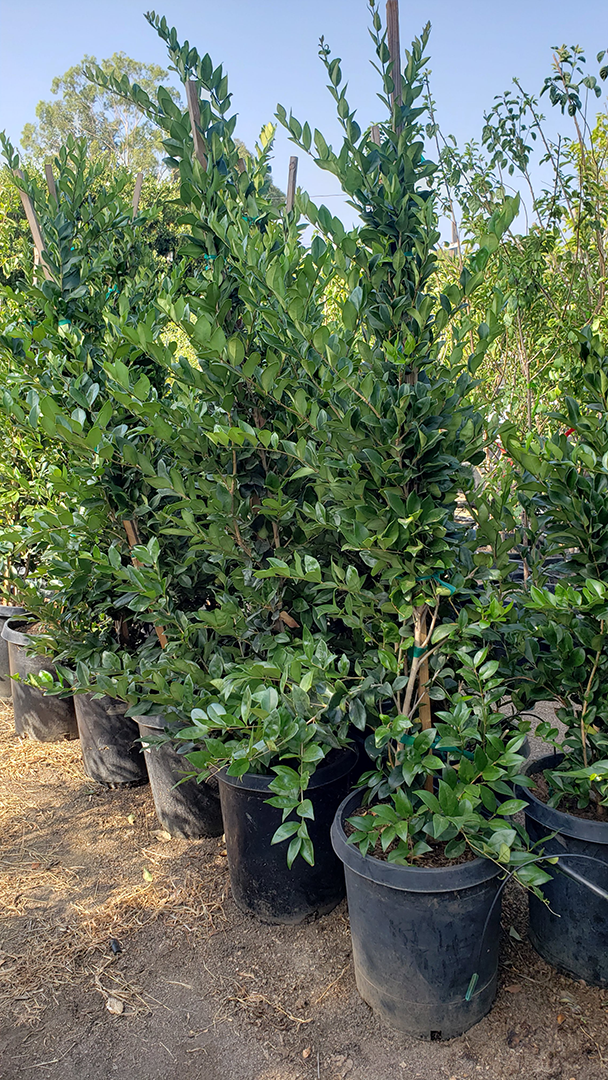
Create a lush, year-round privacy screen without worrying about oversized trees or aggressive roots. The Wax Wax Leaf Privet is a versatile, evergreen shrub prized across Southern California for its thick, glossy dark green foliage, dependable medium stature, and safe, non-invasive root system. Whether you are framing a property line, softening a block wall, or sculpting a formal entryway, this hardy shrub delivers dense coverage and clean structure with minimal upkeep.
Why Choose Wax Leaf Privet?
Manageable Medium Size: Grows up to 13 feet and 3 - 5 feet wide with non-invasive roots
Safe, Non-Invasive Roots: Unlike larger hedge trees with aggressive root systems, the Wax Leaf Privet features well-behaved, non-invasive roots—making it safe to plant near walls, fences, driveways, walkways, and patios.
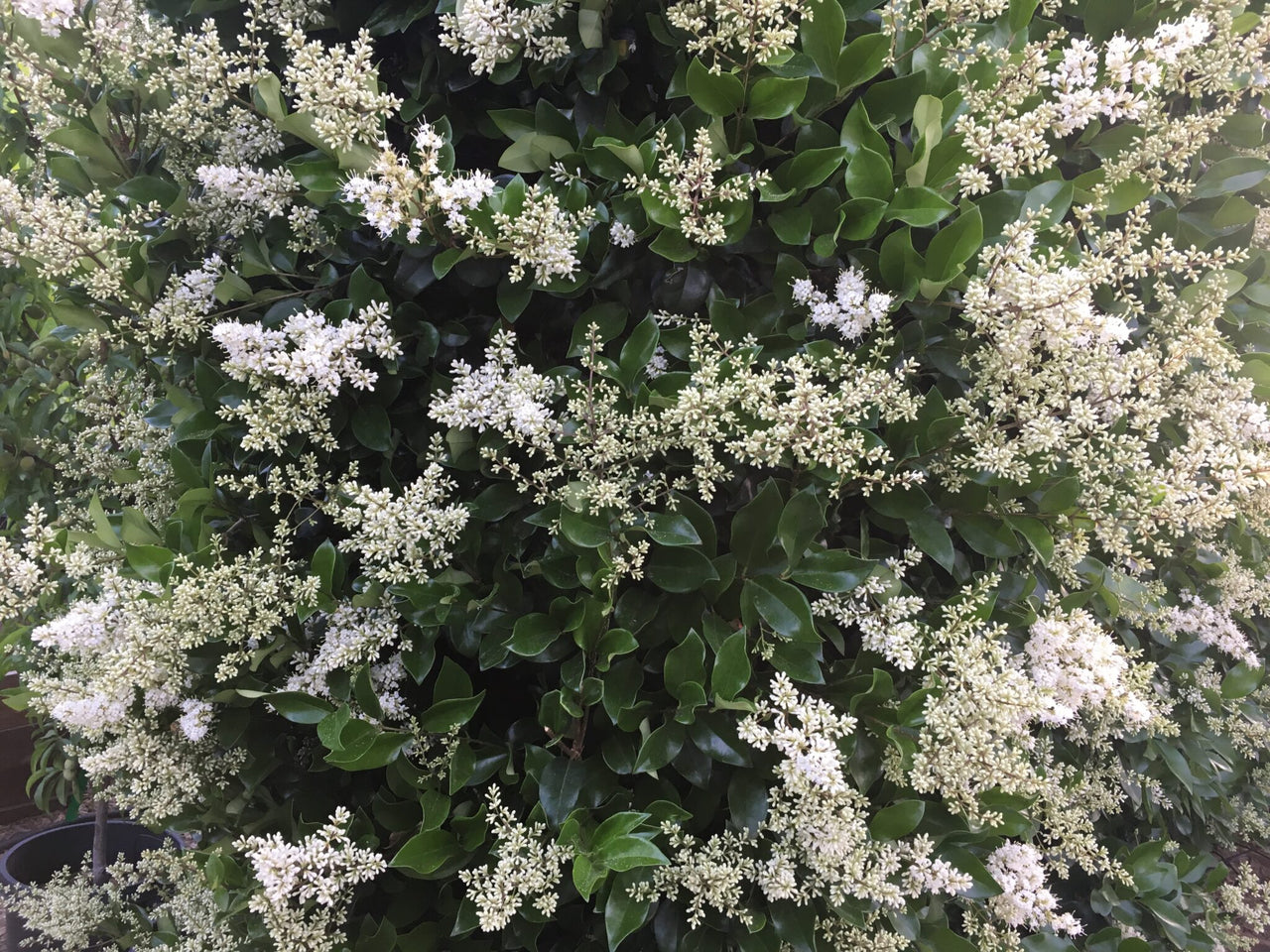
Spring-to-Summer Blooms: From late spring through summer, the dark green canopy comes alive with clusters of fragrant, creamy-white flowers that add seasonal charm and attract pollinators.
Low Maintenance: Moderate growth required little pruning to shape into a crisp, formal hedge, an informal natural screen, or sculpted patio topiaries.
Southern California Tough: Drought and Wind tolerant grows well in Los Angeles full sun and windy conditions. Becomes impressively drought-tolerant once established.
Planting & Spacing Instructions
Location: Select a site receiving full sun to partial shade with well-draining soil.
Hedge Spacing: Space plants 3 to 4 feet apart (center-to-center) for a tight, seamless privacy hedge. For a looser, natural screen or standalone accents, space 5 to 6 feet apart.
Digging & Planting: Dig a hole twice as wide as the root ball and just as deep. Place the shrub so the top of the root ball sits level with or slightly above the surrounding soil line. Backfill with a 50/50 blend of native soil and organic planting mix, gently tamp down to eliminate air pockets, form a watering basin ring around the edge, and water thoroughly.
Care Guide
Watering: Water deeply 2 to 3 times per week during the first few years to establish roots.
Fertilizing: Feed in early spring and midsummer with a balanced, slow-release shrub or all-purpose fertilizer to encourage dense, vibrant foliage.
Pruning: Trim 1 to 2 times per year—ideally after the spring-to-summer bloom cycle—to maintain your desired height and shape. Keep the base slightly wider than the top so sunlight reaches the lower leaves.

Bougainvillea 'Imperial Thai Delight' (Staked)
from $0.00
Bring the vibrant elegance of the tropics to your garden with our beautifully trained, staked Bougainvillea 'Imperial Thai Delight' (Bougainvillea spectabilis 'Imperial Thai Delight'). Sourced and nurtured right here at Paradise Nursery,
this spectacular variety is famous for its unique, bicolor bracts that open a pristine white and gradually mature to a rich, luminous pink.
By staking these vigorous climbers, we’ve done the early training for you. They are perfectly primed to add immediate vertical interest, dramatic color, and an upscale, topiary-like structure to your patios, entryways, or garden beds.
Botanical Name: Bougainvillea spectabilis 'Imperial Thai Delight' (syn. Bougainvillea glabra hybrid)
Growth Habit: Staked vine / upright topiary
Light Requirements: Full, blazing sun for maximum blooms
Watering: Low maintenance and highly drought-tolerant once established

Bougainvillea 'Barbara Karst' (Staked)
from $40.00
Bring the vibrant, sun-drenched beauty of the tropics to your landscape with our premium collection of staked Bougainvillea 'Barbara Karst'. Known scientifically as Bougainvillea spectabilis 'Barbara Karst',
This stunning evergreen climber is famous for its massive, non-stop displays of electric magenta-red bracts that bloom heavily throughout the year.
Trained on sturdy stakes, these plants arrive ready to add immediate vertical interest, dramatic color, and a lush Mediterranean feel to your garden.
Perfect for framing sunny entryways, dressing up bare walls, or adding a burst of color to patios in large containers, 'Barbara Karst' is exceptionally heat-tolerant and drought-resistant once established. At Paradise Nursery, we carefully cultivate our staked bougainvilleas to ensure strong root systems and robust, healthy top growth, giving you a head start on a breathtaking backyard paradise.

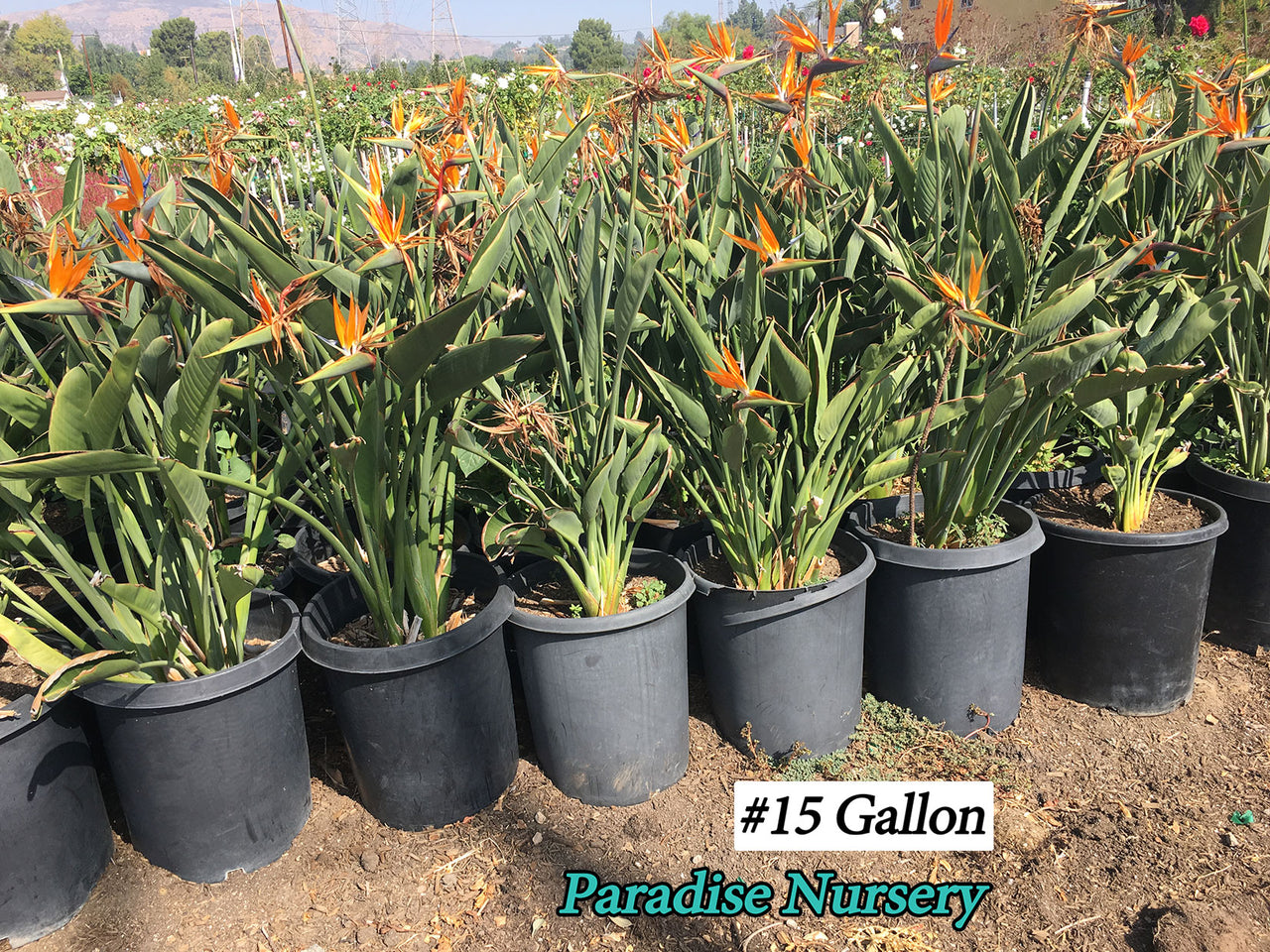
Bird of Paradise - Strelitzia reginae
$70.00
Bird of Paradise (Strelitzia reginae) is a tropical plant known for its vibrant, bird-like flowers. Here are some key care tips:
USDA Zones: Bird of Paradise thrives in USDA Zones 9-11. In these zones, the plant can be grown outdoors year-round. In cooler zones, it can be grown in containers and moved indoors during winter.
Sunlight: Bird of Paradise thrives in full sun to partial shade. In cooler climates, full sun encourages more blooms, while in hotter regions, partial shade helps protect the plant from scorching.
Soil: It prefers well-draining, fertile soil rich in organic matter. A slightly acidic to neutral pH (5.5-7.0) is ideal for healthy growth.
Watering: Water the plant deeply and regularly, especially during the growing season (spring to summer). Let the soil dry slightly between waterings to avoid root rot. Reduce watering in the winter when the plant is dormant.
Fertilization: Feed Bird of Paradise with a balanced fertilizer (10-10-10 or 20-20-20) during the growing season, every 4-6 weeks. Organic compost can also be applied to enrich the soil.
Temperature: The plant prefers temperatures between 65-70°F (18-21°C) and can tolerate temperatures down to 50°F (10°C). In cooler climates, it should be brought indoors during winter or protected from frost.
Pruning: Remove dead leaves and spent flowers to encourage new growth and maintain the plant's appearance. Overcrowded plants can be divided every 2-3 years to maintain their size and vigor.
Propagation: Bird of Paradise can be propagated by division of rhizomes in spring or summer.
History of Bird of Paradise
The Bird of Paradise is native to South Africa and was introduced to Europe in the late 18th century. It was named after Charlotte of Mecklenburg-Strelitz, the wife of King George III of England. Known as the "Queen's Plant" in South Africa, it became a popular ornamental plant due to its unique and exotic flowers, which resemble the plumage of a tropical bird.
The plant symbolizes freedom and joy, and its striking blooms have made it a favorite in gardens and floral arrangements around the world. It remains an iconic plant in tropical and subtropical landscapes, prized for its bold foliage and long-lasting flowers.

Gardenia Plant
from $50.00
Gardenia Information and Care
Gardenias (Gardenia jasminoides) are beautiful, fragrant flowering shrubs that are cherished for their creamy-white, waxy blossoms and glossy, dark green leaves. Native to tropical and subtropical regions of Africa, Asia, and the Pacific Islands, they are popular in gardens and as ornamental plants due to their intoxicating scent and striking appearance. Their strong fragrance makes them a favorite for cut flower arrangements, perfumes, and essential oils.
Characteristics
Appearance: Gardenias produce large, velvety, white or ivory-colored flowers that contrast beautifully with their dark green, shiny leaves. Some varieties may have single or double blossoms, and the blooms are typically 2-4 inches in diameter.
Fragrance: The sweet, floral scent of gardenias is one of their most prized features, making them popular for garden settings, indoor plants, or cut flower arrangements.
Blooming Season: Gardenias bloom from late spring to summer, with some varieties offering sporadic blooms into early fall. With proper care, some varieties can even flower indoors.
Growing Conditions
Light Requirements: Gardenias prefer bright, indirect light or partial shade. In hot climates, they benefit from afternoon shade to protect them from scorching. Indoors, place them near a window with filtered light.
Soil: These shrubs thrive in well-draining, acidic soil with a pH between 5.0 and 6.0. Amend your soil with organic material like peat moss or pine bark to ensure good drainage and the right acidity level.
Watering: Gardenias need consistently moist soil, but avoid overwatering, as waterlogged soil can lead to root rot. Water when the top inch of soil feels dry, and be sure to use lukewarm water as they are sensitive to cold.
Humidity: These plants love humidity, so in drier climates or indoors, increase humidity by misting the leaves, placing the plant on a tray of water with pebbles, or using a humidifier.
Temperature: Gardenias prefer warm, stable temperatures between 65-75°F (18-24°C) during the day and slightly cooler at night. Protect them from drafts, cold winds, or sudden temperature fluctuations, as this can cause bud drop.
Care Instructions
Fertilization: Use a fertilizer designed for acid-loving plants, like azaleas and rhododendrons, during the growing season. Apply fertilizer every 4-6 weeks from spring through early fall to promote healthy growth and blooms.
Pruning: Prune gardenias after they finish blooming to maintain their shape and remove dead or yellowing leaves. Deadheading spent flowers can also encourage new blooms.
Pests and Diseases: Common pests include aphids, scale, and spider mites. Regularly inspect your plants and treat infestations with insecticidal soap or neem oil. Keep an eye out for yellowing leaves, which may indicate chlorosis, a sign of iron deficiency or poor soil drainage.
Uses and Benefits
Ornamental Beauty: Gardenias are often used as hedge plants, container plants, or focal points in garden beds. Their striking flowers and fragrance make them a show-stopper in any garden or patio.
Fragrance: Gardenias are popular for their fragrance and are used in perfumes, oils, and even aromatherapy.
Symbolism: In the language of flowers, gardenias symbolize purity, love, and refinement, making them a favorite for weddings and special occasions.


Golden Euonymus
from $14.00
Plant description:
Golden Euonymus (Euonymus japonicus 'Aureus') is a stunning and versatile addition to any nursery's plant selection. This evergreen shrub has vibrant foliage and ornamental value, a choice for both novice and experienced gardeners. The glossy, elliptical leaves of the Golden Euonymus are one of its most distinctive characteristics. They have stunning golden-yellow variegation that beautifully adorns them.
This stunning coloration remains vivid throughout the year, ensuring that you will enjoy a year-round burst of color in your gardens. Whether used as a backdrop for other plants, the Golden Euonymus adds a touch of elegance and charm to any landscape. In addition, this plant is considered relatively low-maintenance, requiring well-draining soil and full to partial sun for optimal growth. It can tolerate a wide range of soil types.
Uses:
This versatile shrub is commonly used for ornamental purposes, providing a vivid contrast in gardens and landscapes. In contrast, it's vibrant foliage is perfect for creating hedges, borders, or adding a splash of color in containers. In addition, it is adaptable and can thrive in various conditions.
History:
With origins in Asia, the Golden Euonymus has a rich horticultural history. Furthermore, it has grown in popularity, thanks to its remarkable appearance. Additionally, it's enduring presence in gardens globally highlights its timeless appeal and adaptability.
Size and Shaping:
These shrubs typically reach a height of 3 to 6 feet with a similar spread, making them ideal for a range of landscaping purposes. They are adaptable to various soil types and light conditions, thriving in well-drained soil and partial to full sun. Pruning plays a pivotal role in shaping this plant. Furthermore, to maintain desired size and form, prune as needed, typically in late winter or early spring. This ensures the shrub continues to grace your garden with its vibrant golden foliage.

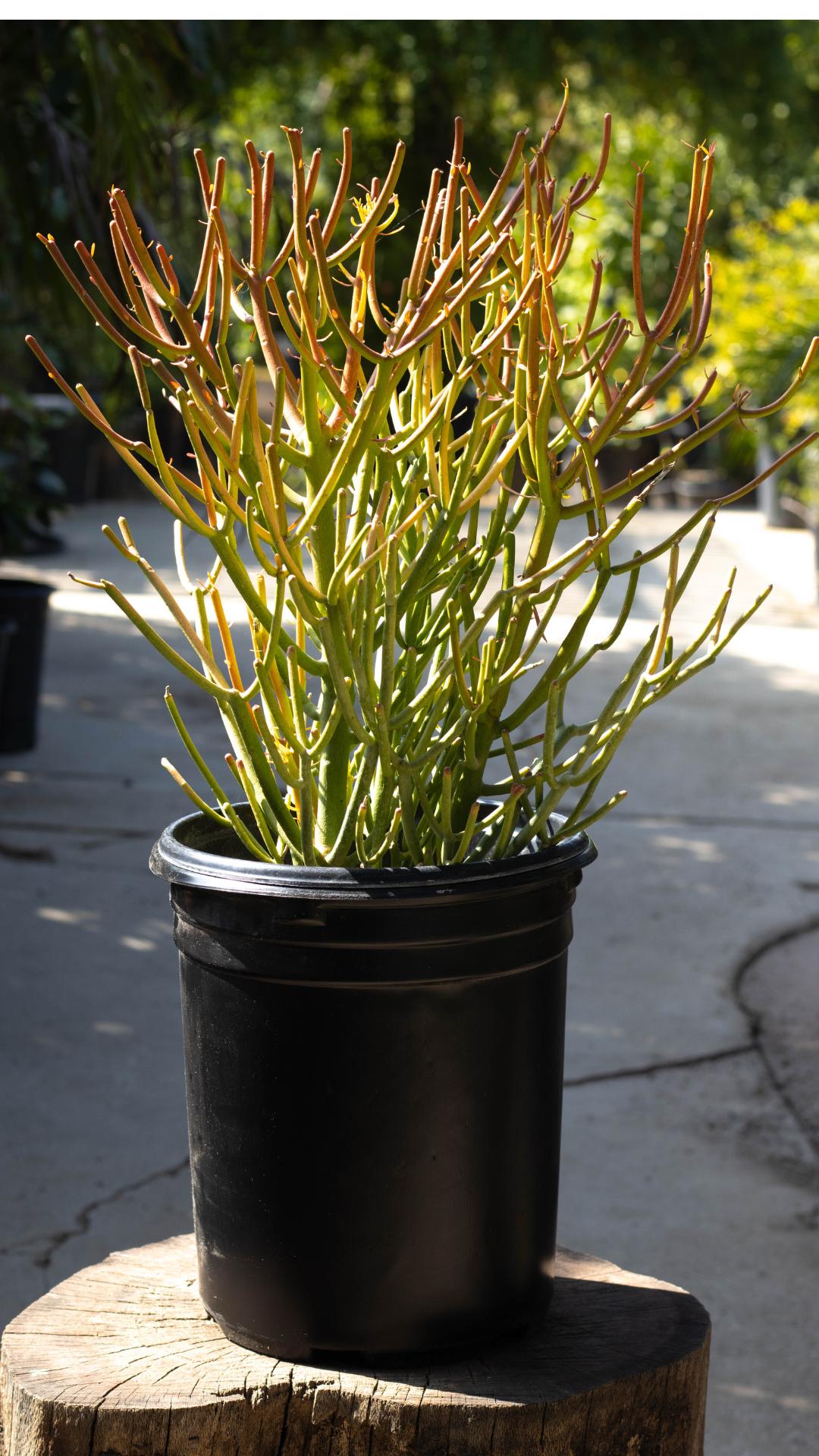
Pencil Cactus Euphorbia tirucalli 'Firesticks / Sticks of Fire'
$29.99
Plant Description
The Firesticks Euphorbia (Euphorbia Tirucalli) is a succulent shrub known for its unique and eye-catching appearance. It features upright, slender, cylindrical stems that resemble pencils or sticks. Under ideal conditions, the stems can grow as tall as 6 to 8 feet or even higher. While the stems are typically green, they take on a vibrant red or coral hue in direct sunlight, creating the "sticks on fire" effect. The stems are covered with small, deciduous green leaves that fall off as the plant matures.
Growing Conditions
Sunlight: Firesticks need full sunlight to develop their bright color.
Soil: Plant in well-draining soil, allowing the soil to dry out completely between waterings to prevent root rot.
USDA Zones: Best suited for USDA hardiness zones 10 and 11, as this plant cannot tolerate frost or freezing temperatures.
Handling Precaution: The white sap produced by the plant when cut or damaged can irritate the skin and is toxic if ingested. Handle with caution.
Size and Shaping
Maintaining the size and shape of Firesticks Euphorbia is simple:
Pruning: Prune with care, especially when managing the plant's size. Wear protective gear, as the plant's sap is toxic and can irritate the skin.
Shaping: Proper pruning helps maintain its form and encourages healthy growth, keeping it an attractive feature in your garden.
Occasional Blooms
On rare occasions, Firesticks may produce small, inconspicuous yellow or greenish blooms at the stem tips. Though these flowers are not the primary decorative feature of the plant, they can add an interesting touch.
Uses for Firesticks - Euphorbia Tirucalli
This drought-tolerant succulent is perfect for xeriscaping, rock gardens, or adding vibrant accents to your garden. Its low-maintenance nature and striking appearance make it an excellent choice for both indoor and outdoor decor. Use it to bring a pop of color and vertical interest to desert and arid landscapes, rock gardens, and pots.
History
Native to Africa, the Firesticks Euphorbia is part of the Euphorbiaceae family. Over time, it has gained global popularity for its ornamental value, becoming a sought-after choice for landscape designers due to its striking look.


King Palm Tree (Archontophoenix alexandrae)
$250.00
King Palm Tree
Discover the majestic King Palm Tree, an emblem of tropical elegance, at our Nursery. This stately palm species is celebrated for its impressive appearance and versatile uses in landscaping.
Bring the allure of the tropics to your landscape with the King Palm Tree. Visit our Nursery and explore the grandeur and versatility of this regal palm species.
Tree Description:
The King Palm stands as an epitome of elegance. Furthermore, it's feather-like pinnate leaves, which can reach lengths of up to 10 feet, form a lush, tropical canopy. The tree features a slender trunk crowned with these striking leaves, creating a visually captivating presence in any landscape.
Uses:
King Palms find their place in landscaping, adding a touch of the tropics to gardens, parks, and resorts. In contrast, their leaves are not just ornamental; they have practical uses, such as thatching and weaving. In some areas, the wood from the trunk is also used for construction.
History:
This magnificent palm species hails from Australia and has a rich history in the world of ornamental plants. In addition, it is revered for its majestic appearance, it has been cultivated worldwide as a symbol of natural beauty and sophistication. Its timeless appeal continues to captivate garden enthusiasts.
Size and Shaping:
King Palms can reach impressive heights, generally spanning between 30 to 50 feet. Further, these palms require minimal pruning, primarily to remove dead or damaged fronds. Careful pruning is essential to maintain their neat and regal appearance while preventing harm to the trunk and emerging fronds.
Elevate your landscape with the tropical elegance of the King Palm. Visit our Nursery and witness the grandeur and versatility of this remarkable palm species. Whether as a focal point or an element of your garden's overall charm, the King Palm brings the allure of the tropics to your doorstep.


Pygmy Date Palm - Phoenix Roebelenii
$150.00
Phoenix Roebelenii, commonly known as the Pygmy Date Palm, is a slow-growing, small palm species that is popular for its ornamental value. Native to Southeast Asia, it typically reaches a height of 6-12 feet, making it a great choice for small landscapes or indoor planting. The palm has feathery, arching fronds with a fine texture that adds a tropical appeal to any garden or interior space. It is ideal for growing in containers or as a focal point in the garden.
Growth and Planting Conditions
Sunlight: Pygmy Date Palms prefer partial shade but can tolerate full sun. When grown outdoors, plant them in areas that receive filtered sunlight or light shade to prevent leaf burn.
Soil: These palms thrive in well-draining, sandy soils. They are adaptable to a wide range of soil types, as long as the drainage is good.
Temperature: Phoenix Roebelenii is best suited for USDA Zones 8-11. It can tolerate mild frost but should be protected from extended freezing temperatures.
Spacing: When planting multiple Pygmy Date Palms, space them about 4-6 feet apart to allow for proper air circulation and root growth.
Watering and Irrigation
Watering Schedule: Pygmy Date Palms require regular watering, especially when young. Water deeply once a week, allowing the topsoil to dry out slightly between waterings.
Summer Watering: During hot summer months, increase watering frequency, ensuring that the soil remains moist but not waterlogged.
Mulching: Apply mulch around the base of the palm to retain moisture and regulate soil temperature. Keep the mulch a few inches away from the trunk to avoid rot.
Fertilization
Fertilizer Type: Use a slow-release palm fertilizer with a balanced NPK ratio (e.g., 8-2-12 or 10-5-15) that contains micronutrients such as magnesium and iron, which are essential for palm health.
Application: Fertilize the palm 3-4 times a year, starting in early spring and continuing through late summer. Avoid fertilizing in the fall to prevent new growth during colder months.
Pruning
Timing: Prune dead or damaged fronds in late winter or early spring before the growing season begins.
Method: Remove fronds that are yellow or brown to maintain the plant’s appearance and overall health. Be cautious when handling the base of the palm, as it may have sharp spines.
Pest and Disease Control
Common Pests: Phoenix Roebelenii is susceptible to pests such as spider mites, scale, and mealybugs. Use neem oil or insecticidal soap to manage infestations.
Disease Prevention: Ensure proper air circulation and avoid overwatering to prevent fungal infections such as root rot or leaf spot. Regular pruning and removing dead fronds will also help maintain the palm's health.
History of the Phoenix Roebelenii (Pygmy Date Palm)
The Pygmy Date Palm, native to Southeast Asia, was introduced to the Western world in the 19th century. It quickly gained popularity due to its compact size, making it an ideal choice for indoor and patio gardening. Its elegant fronds and manageable height have made it a staple in tropical landscaping and as an ornamental feature for homes and public spaces. Although it doesn't produce edible dates like its larger relatives, its graceful appearance has made it a beloved palm variety worldwide.

Queen Palm - Syagrus romanzoffiana
$250.00
Introducing the Queen Palm: Add Tropical Elegance for Your Landscape
The Queen Palm, botanically known as "Syagrus romanzoffiana can grow tall and create a tropical aesthetic to any landscape. They can be used as a focal point. Bunches can be clumped or used to create symmetry in a walkway or driveway With its graceful, feather-like fronds and slender trunk, this tree is a true queen in the world of landscaping. Add a touch of regal allure to your outdoor space, and plant the Queen Palm. Queen Palms are often planted along with the Roebellini palm as a smaller accent.
Why Choose the Queen Palm Tree?
Graceful Aesthetic: The Queen Palm Tree is renowned for its striking appearance. Its vibrant green, pinnate fronds create a tropical paradise wherever it stands.
Low Maintenance: Relatively low maintenance. They thrive in warm, subtropical climates and are drought-tolerant once established. Their resistance to pests and diseases makes them a durable choice for any garden.
Fast Growth: Rapid growth, making it an excellent choice if you're looking for a tree that will flourish and provide shade in your landscape relatively quickly.
Versatile Use: Its adaptable nature allows it to blend seamlessly into various landscape styles, from formal to tropical. You can plant it as a single focal point or in groups for a striking display.
Wildlife Haven: These palms attract birds, making your garden a haven for avian visitors. Enjoy the soothing sounds of chirping birds right in your backyard.
Caring for Your Queen Palm Tree:
Planting: Ensure well-drained soil and provide ample sunlight for your palm to thrive.
Pruning: Prune dead fronds to keep your looking its best.
Fertilizing: Use a complete slow-release NPK fertilizer to promote healthy growth.
Purchase Queen Palms at Paradise Nursery in Los Angeles California today!


