

Get notified
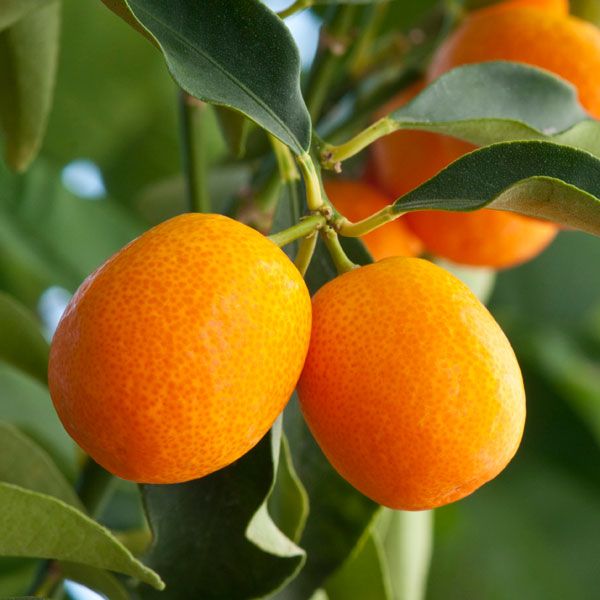
Meiwa Kumquat trees are not as well-known as the more common Nagami variety. They produce rounder-shaped fruit with sweet flesh and no acidity, making them an excellent choice for those who prefer a less sour kumquat. Unlike Nagami Kumquats, Meiwa fruit has a mild, pleasant flavor.
Growth and Seasonal Behavior
Meiwa trees are semi-dormant in winter, allowing them to withstand temperatures below freezing. Their flowering season occurs during the summer, and the fruits reach maturity in late winter. The flesh of the fruit is light orange and contains a few seeds, but it is sweeter and less acidic compared to Nagami Kumquats.
Planting and Growing Conditions
- Sunlight: Meiwa Kumquat trees thrive in full sun. Ensure they receive ample light for optimal growth and fruit production.
- Soil: Well-draining soil is essential for preventing root rot and promoting healthy growth.
- Watering: Regular watering is necessary, but make sure the soil is not waterlogged.
- Pruning: Regular pruning helps keep the tree manageable in size, especially if you're growing it in a container or a small space.
Tree Size and Growth Rate
The Meiwa Kumquat tree is relatively slow-growing, making it a suitable option for container gardening. Due to its slow growth, Meiwa kumquat trees are typically sold in 5-gallon size containers. Regular pruning can also help control the size, allowing you to maintain a smaller, more manageable tree.
Step One:
Soil and Planting: Plant in soil that drains well. Dig a hole that is as deep as the tree’s roots and at least twice as wide.
Step Two:
Place the tree in the hole and backfill around the plant’s roots with a mixture of the native soil and high-quality planting mix that has washed sand and organic fertilizer.
Step Three:
Create a basin around the roots drip zone so that water collects. Water deeply until the roots and nearby soil is saturated and reaches field capacity.