
Your Zipcode: - - - - - LOCAL NON LOCAL
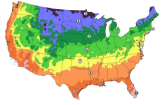
Your Hardiness Zone: - -
Why do we ask for location ?

It helps us recommend trees and plants that are well-suited to the local climate, based on your Growing Zone.

Invalid Zip code.
Growing Zone: 7

Changing Shipping Zip Code may result in removal of items already in your cart

Location?

We couldn’t detect your ZIP. Please enter your 5-digit ZIP.
Please Confirm

Weeping Mulberry Tree - Teas Weeping Fruiting Mulberry

$230.00

Size:

15 gallon ~ 5 Ft Tall and 1" Trunk ($230.00) 25 Gallon - 5 Ft Tall & 2" Trunk ($590.00)

Weeping Mulberry Tree - Teas Weeping Fruiting Mulberry

The Weeping Mulberry is a very beautiful tree with unique branches that grow down towards the ground. The tree produces sweet, juicy and tasty berries in the Summer that are small and red when ripe. Keep the tree small and use as a focal point or place two or more symmetrically to create a gateway. Weeping Mulberries are great for containers or planters. The fruit is small and dark red to black when ripe. It produces many juicy mulberries with a nice sweet flavor. These trees are dormant in the Winter, and should be pruned to keep branches from touching the floor. This helps promote a thicker canopy that will produce more fruit.

COMPATIBILITY: Compatible with your zone Not compatible with your zone ()

Size:

15 gallon ~ 5 Ft Tall and 1" Trunk ($230.00) 25 Gallon - 5 Ft Tall & 2" Trunk ($590.00)
5 in stock
We're sorry, but this item is unavailable to ship to your area.

Plant Type: Deciduous

USDA Hardiness Zones: 6-10

Get notified

Plant Description

Weeping Mulberry Tree Information and Care

The Weeping Mulberry is a unique deciduous fruit tree with a single trunk about 4 feet tall and the branches growing towards the ground like an umbrella. Some cities have streets lined with Weeping Mulberry trees to create a striking effect. Plant in the full sun and in well-draining soil. Weeping Mulberries are often kept small, about 6- 8 feet tall and wide. They can grow to 10-15 feet wide over decades if not trimmed. Deeply water weekly during the Spring. Increase the frequency to twice per week in the Summer. Reduce the frequency back to weekly in the Fall, and discontinue watering in the Winter. Provide fruit tree fertilizer seasonally, except in the Fall. Prune branches near or touching the ground to promote thicker growth.