

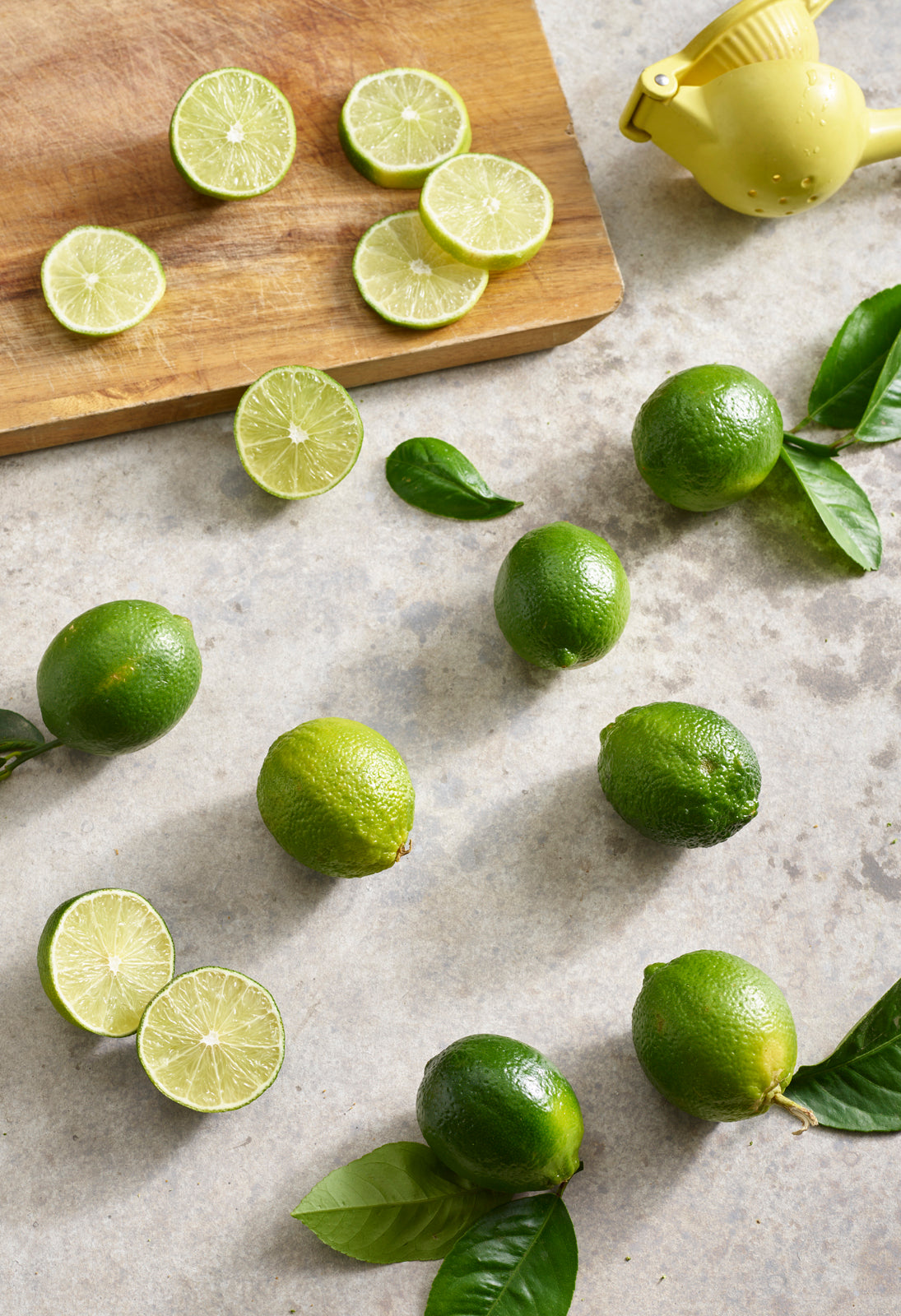
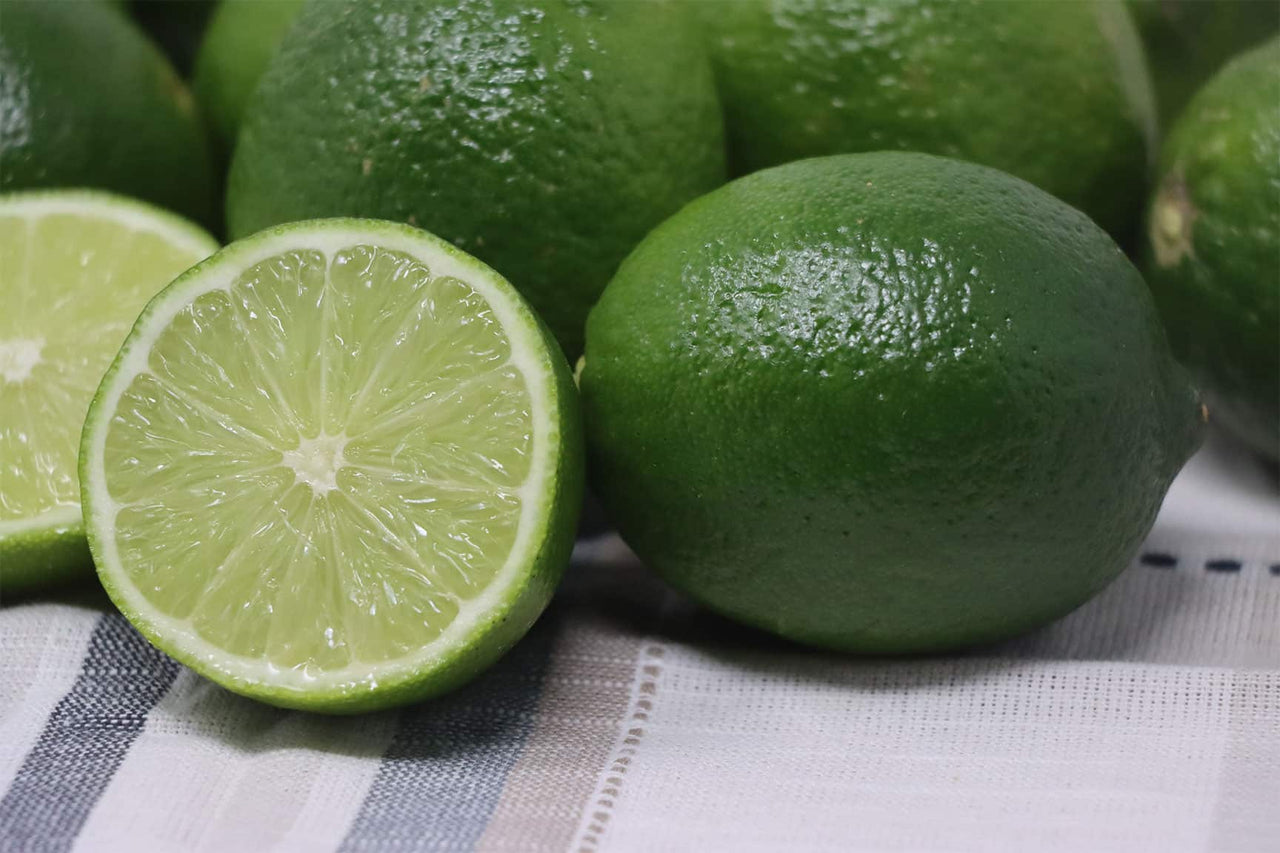
Persian Bearss Lime Tree
from $70.00
Bearss lime trees are evergreen, fast-growing citrus trees that originated around 1895. The variety was likely a seedling discovered by nurseryman J.T. Bearss. These trees produce Persian limes, which are larger than Mexican limes, typically around 2.5 inches in diameter. One of the key benefits of Bearss lime trees is their ability to produce fruit all year round.
Growth and Size
Tree Height: Standard Bearss lime trees grow to about 10-20 feet tall, depending on their location and care.
Tree Width: They can spread between 5-10 feet wide, making them a suitable option for a variety of planting environments.
Compact Planting: In home orchards, you can plant trees closer together to create a more compact and high-density orchard. Trees should generally be planted 10-15 feet apart to allow for adequate growth.
Planting Considerations
Location: Plant lime trees near walls that separate neighbors or close to the kitchen for easy access to fresh fruit.
Root System: Bearss lime trees do not have invasive roots, making them a safe choice to plant near structures without the risk of root damage.


Meyer Lemon Tree
from $70.00
Meyer Lemon trees are more popular than the common Eureka lemon due to their tart, slightly sweet, and very juicy flesh. The skin of the Meyer lemon is thinner and has a slightly orange hue.
Tree Characteristics
Officially known as the Improved Meyer Lemon tree, this hardy evergreen produces a bountiful harvest. It features dark green, glossy leaves, relatively few thorns, and small white flowers. This tree is highly valued for home gardens due to its aesthetic appeal and impressive fruit yield — even when young.
Unique Qualities of Meyer Lemons
Meyer lemons are smoother and rounder than traditional lemons, with fewer seeds and orange-tinted flesh. While still tart, they are slightly sweeter than Eureka lemons. The fragrance is a complex blend of sweet, spicy, floral notes, and a hint of bergamot.
General Care Instructions
Sunlight: Plant the Meyer Lemon tree in full sun, but take care if planting against a south-facing block wall or reflective surface, as this can stress the tree during heat waves.
Spacing: Plant trees 10-15 feet apart. Provide more space for larger growth or plant closer for smaller trees. While the tree can grow over 20 feet tall, many people prune them to keep them at a manageable height of 9-15 feet.
Tree Forms and Growing Habits
Tree Forms: Meyer Lemon trees are available in Standard and Semi-Dwarf forms. The Semi-Dwarf and Standard trees have a single trunk and branch out to form a canopy.
Dwarf Meyer Lemon Trees: Dwarf trees are topped to grow as a bush, making them ideal for pots and containers. They are prolific at a young age and can produce fruit nearly year-round.
Origin and History
The Meyer lemon tree is a hybrid native to China. It was introduced to the U.S. in 1908 by Frank N. Meyer, a USDA employee who traveled the world seeking new plants for introduction to the U.S.
Meyer lemons gained widespread popularity thanks to Bay Area chef Alice Waters in the 1980s. Their popularity exploded in the 2000s after Martha Stewart introduced them to a wider audience, making them a common ingredient in recipes and a staple at farmers' markets.


Eureka Lemon Tree
from $70.00
Eureka Lemon Tree
The Eureka Lemon Tree is a small evergreen citrus tree best known for producing the classic tart lemons found in grocery stores. A vigorous and reliable grower, it produces fruit year-round, making it one of the most popular lemon varieties for both home gardeners and commercial growers. Its glossy green foliage, fragrant blossoms, and continuous harvests make it both ornamental and highly productive.
Climate & Growing Conditions
The Eureka Lemon Tree thrives in Southern California’s mild, Mediterranean climate, especially in regions such as Los Angeles, Ventura, Santa Barbara, Riverside, Orange, and San Diego Counties. It performs best when planted in full sun with well-draining soil. Available in Standard and Semi-Dwarf forms, the tree can grow over 20 feet tall, though it is commonly pruned to a manageable 9–15 feet. Semi-Dwarf forms are ideal for smaller spaces or containers, while Standard trees provide shade and structure in larger landscapes. For best growth, plant trees 9–12 feet apart, allowing adequate room for maturity.
Fruit Description
Eureka Lemons are prized for their bright, tangy flavor and abundant juice. They are medium-sized, with a smooth yellow rind and very few seeds. Their classic sharp acidity makes them the go-to lemon variety for culinary and household use. The tree produces fruit almost continuously throughout the year, with heaviest harvests in spring and summer.
Culinary Uses
Eureka Lemons are highly versatile in the kitchen:
Juice, zest, and pulp add flavor to poultry, fish, vegetables, soups, sauces, and marinades.
They are the key ingredient in lemon bars, pies, cakes, curd, and sorbets.
Fresh lemons are essential for lemonade, cocktails, teas, and limoncello.
Household & Health Benefits
Natural cleaner: Lemon juice disinfects cutting boards, surfaces, and utensils, while lemon peels deodorize garbage disposals.
Air freshener: Fresh lemons and peels release a clean, refreshing aroma.
Health benefits: Rich in vitamin C, antioxidants, and bioflavonoids, lemons support immune health and wellness. Many enjoy drinking lemon water in the morning for a refreshing start.
Landscaping & Aromatherapy
The Eureka Lemon Tree is not only productive but also ornamental. Its glossy leaves, fragrant white blossoms, and clusters of bright yellow lemons provide shade, privacy, and beauty to gardens. Lemon oil, extracted from the fruit, is valued in aromatherapy for its mood-boosting, calming, antibacterial, and antifungal properties.
Eureka Lemon Tree Care & Maintenance
Planting: Plant in a sunny location with well-drained soil, amending with high-quality planting mix and fertilizer.
Watering: Newly planted trees should be watered twice per week in spring and summer, and once per week in fall and winter. Hot climates or sandy soils may require more frequent watering.
Fertilizing: Use a citrus fertilizer with a 2-1-1 NPK ratio in spring through summer. Organic nitrogen sources like blood meal and manure encourage growth. In winter, apply fertilizers higher in phosphorus and potassium (such as bone meal) to support flowering and fruiting.
Pest Resistance
Eureka Lemons are less attractive to birds and animals like squirrels due to their tart flavor, making them easier to maintain than sweeter fruit varieties.
History of the Eureka Lemon Tree
The Eureka Lemon was introduced to Los Angeles in 1858 from seeds brought from Italy (not 1958). The lemon itself, however, has a much older origin. Believed to have originated in Myanmar or Assam, India, lemons traveled through Persia and the Mediterranean before arriving in the Americas with Columbus in 1492. Historically, lemons have been prized for their culinary, medicinal, and decorative uses. In ancient Rome, they were considered symbols of wealth and status, while the British Royal Navy famously used them to prevent scurvy. Today, the Eureka Lemon continues this legacy as one of the most widely grown and consumed lemon varieties in the world.
Meiwa Kumquat Tree
from $70.00
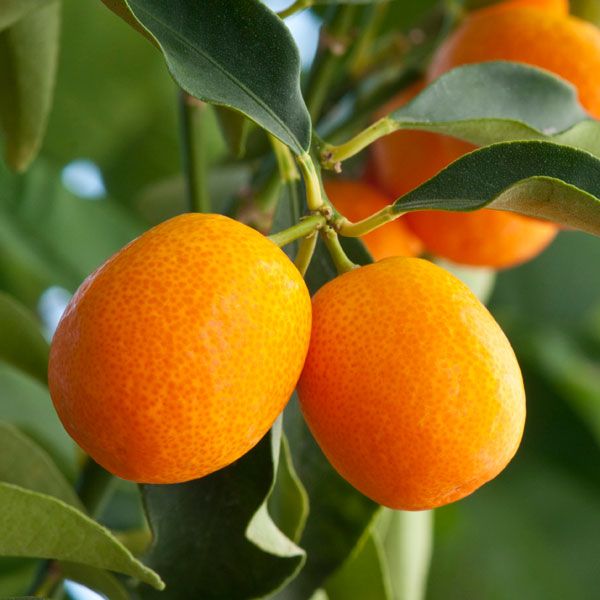
Meiwa Kumquat trees are not as well-known as the more common Nagami variety. They produce rounder-shaped fruit with sweet flesh and no acidity, making them an excellent choice for those who prefer a less sour kumquat. Unlike Nagami Kumquats, Meiwa fruit has a mild, pleasant flavor.
Growth and Seasonal Behavior
Meiwa trees are semi-dormant in winter, allowing them to withstand temperatures below freezing. Their flowering season occurs during the summer, and the fruits reach maturity in late winter. The flesh of the fruit is light orange and contains a few seeds, but it is sweeter and less acidic compared to Nagami Kumquats.
Planting and Growing Conditions
Sunlight: Meiwa Kumquat trees thrive in full sun. Ensure they receive ample light for optimal growth and fruit production.
Soil: Well-draining soil is essential for preventing root rot and promoting healthy growth.
Watering: Regular watering is necessary, but make sure the soil is not waterlogged.
Pruning: Regular pruning helps keep the tree manageable in size, especially if you're growing it in a container or a small space.
Tree Size and Growth Rate
The Meiwa Kumquat tree is relatively slow-growing, making it a suitable option for container gardening. Due to its slow growth, Meiwa kumquat trees are typically sold in 5-gallon size containers. Regular pruning can also help control the size, allowing you to maintain a smaller, more manageable tree.


Honey Mandarin Trees
from $70.00
The California Honey Mandarin tree is available in Standard, Semi-Dwarf, and Dwarf forms. The Semi-Dwarf and Standard trees grow with a single trunk that branches out into a canopy, while Dwarf varieties are topped low, resulting in a bush-like shape, which makes them great for growing in pots. Though citrus trees can grow over 20 feet tall, most gardeners prune them to maintain a height of 9–15 feet, making them an excellent choice for home gardens. For optimal growth, plant trees at least 9 feet apart, and provide more space if you prefer larger growth.
How to Plant, Water, and Fertilize a Mandarin Tree
Planting
Sunlight: Plant your Honey Mandarin tree in full sun for the best growth and fruit production.
Soil Requirements: Amend the soil with high-quality planting mix and fertilizer, ensuring the soil drains well.
Watering
Spring to Summer: Water newly planted trees twice per week during the warmer months.
Fall to Winter: Reduce watering to once per week in cooler weather. In hotter climates or sandy soils, more frequent watering may be needed.
Fertilization
Spring and Summer Fertilization: Use a citrus fertilizer with a 2-1-1 NPK ratio during spring through summer to promote growth. Organic options like blood meal and manure are rich sources of nitrogen.
Winter Fertilization: Apply fertilizers with higher phosphorus and potassium, such as bone meal or humus, in winter to encourage flowers and fruit development.
Pest and Problem Management
The Honey Mandarin tree is relatively pest-free and not highly attractive to birds or animals like squirrels, making it an easy-care option for home gardeners.
Ideal Growing Regions
This tree thrives in Southern California counties such as Los Angeles, Ventura, Santa Barbara, Riverside, Orange, and San Diego.
Cara Cara Orange Tree
from $190.00
Cara Cara Orange Tree
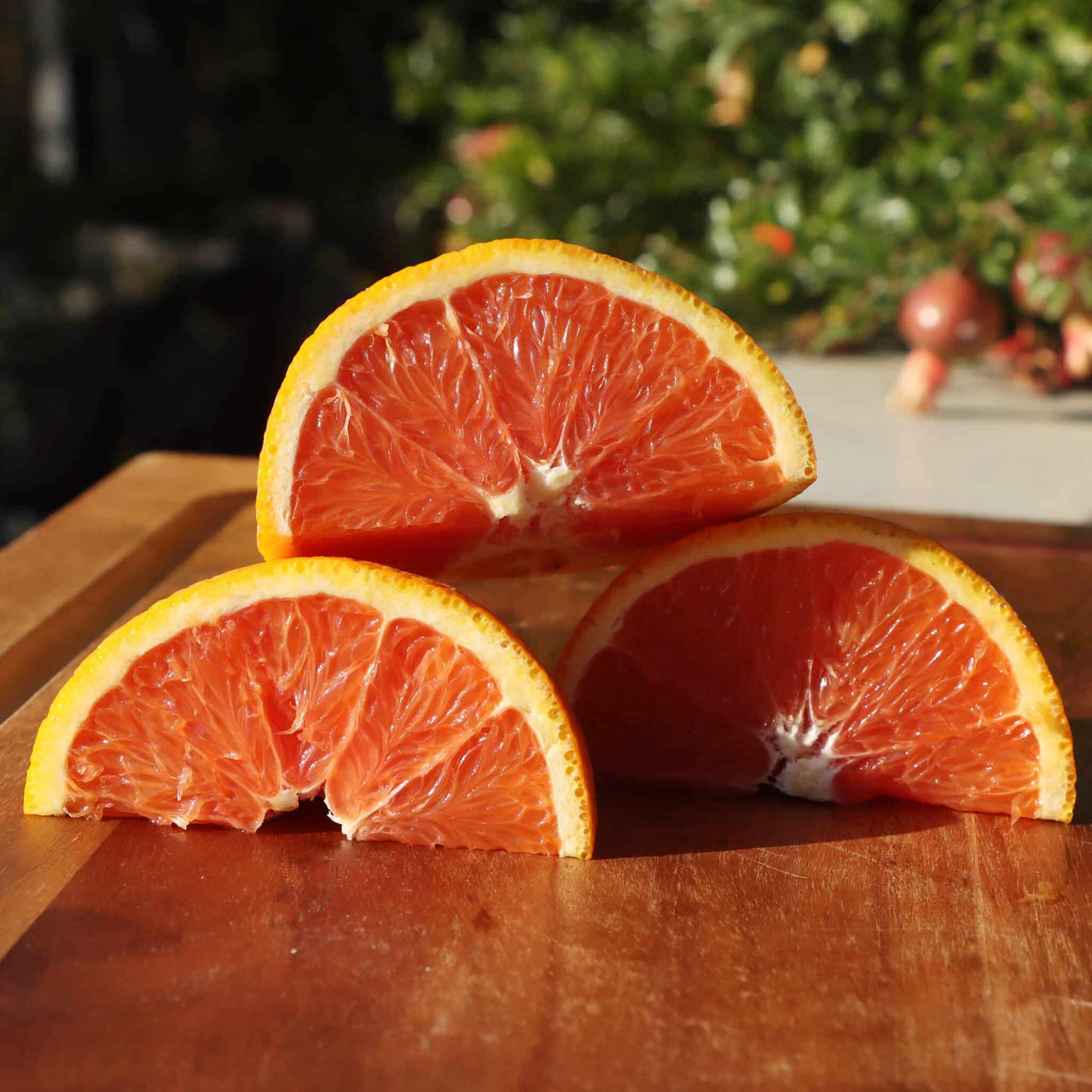
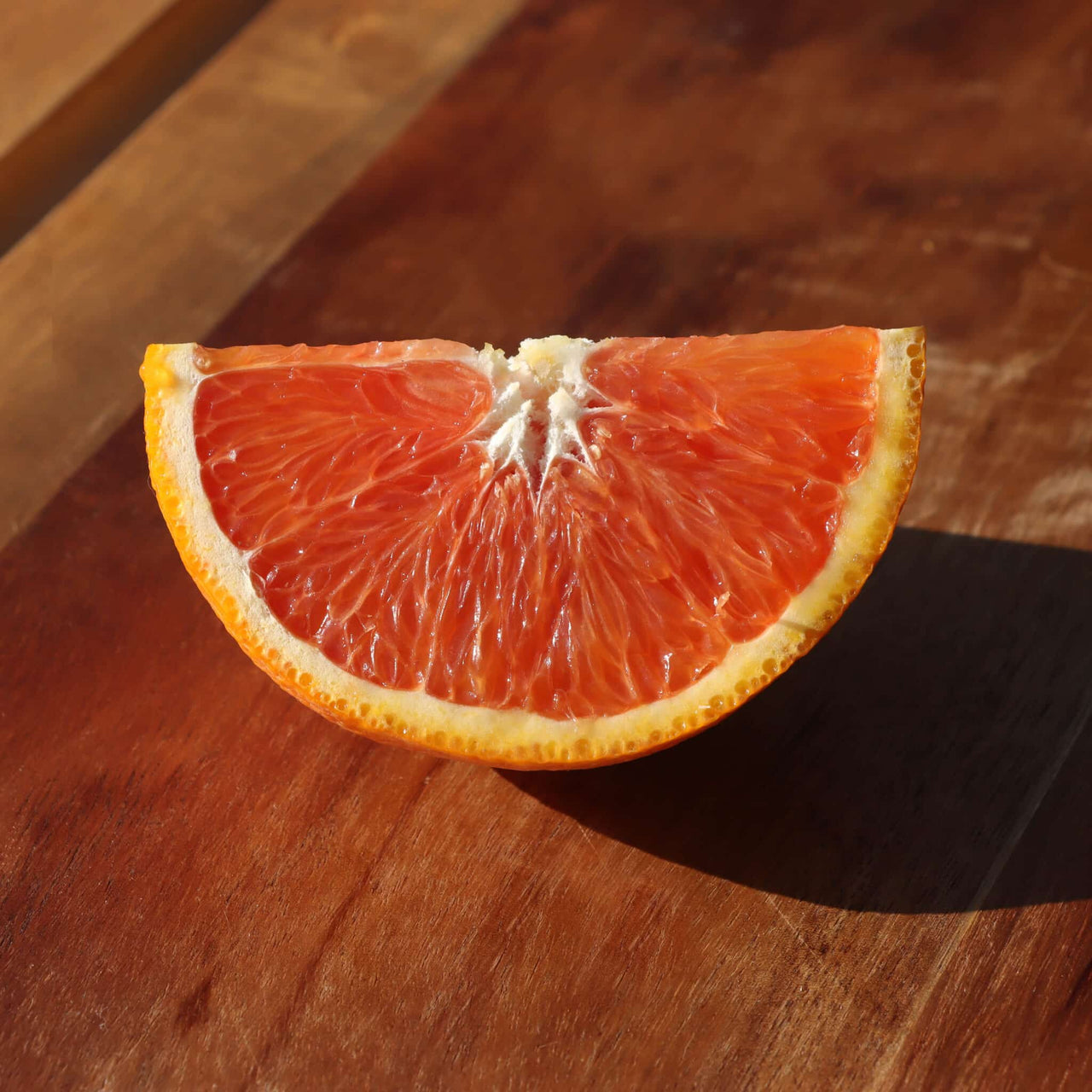
The Cara Cara Orange Tree is a highly productive evergreen citrus variety prized for its uniquely colored fruit and exceptional flavor. This navel orange features a small navel, slightly oblong shape, and smooth skin without blush. The fruit is known for its deep pink to reddish flesh, similar to that of a red grapefruit, yet sweeter and less acidic. With a complex flavor profile blending cherries, berries, and classic orange, Cara Cara oranges are both refreshing and versatile.
Rich in antioxidants, they contain high levels of vitamin C and vitamin A, making them not only delicious but also highly nutritious, supporting heart health and overall wellness.
Climate & Growing Conditions
The Cara Cara Orange Tree thrives in full sun and prefers well-draining soil. As with most citrus, consistent watering is important—especially during the establishment phase and in dry climates. Overwatering should be avoided, as it can cause issues like yellowing leaves or leaf drop, particularly in container-grown trees.
Adaptable and resilient, Cara Cara oranges can be grown successfully in the ground or in large containers, provided they receive proper sunlight, soil, and water conditions.
Fertilization
For healthy growth and abundant fruiting, fertilize the Cara Cara Orange Tree with a balanced organic citrus food:
Spring & Summer: Use fertilizers higher in nitrogen to encourage vigorous growth.
Winter: Switch to blends with higher phosphorus and potassium to promote root strength and fruit production.
Citrus fertilizers often include essential micronutrients such as calcium, magnesium, and iron, which further support vibrant foliage, strong roots, and heavy fruit yields.
Cara Cara Orange Tree Pruning & Care
Pruning helps maintain the tree’s structure, airflow, and productivity.
Winter (cooler months, typically January): Perform general pruning to shape the tree and remove unwanted growth.
Summer: Thin by removing spurs, suckers, and inward-growing branches. Clear away dry fruit, weak twigs, and shaded interior branches to improve light penetration.
Trunk Care: Painting the trunk with white, water-based paint before summer can protect against sunburn and heat damage.
Growth & Maintenance
If left unpruned, the Cara Cara Orange Tree can reach 15–20 feet tall, though it can also be maintained at a smaller size for ease of harvest. With consistent care, this tree will reward growers with large crops of richly flavored fruit year after year. For best results, plant in a sunny location with good drainage, and water regularly while avoiding excess moisture.
Moro Blood Orange Tree
from $70.00
Moro Blood Orange Tree
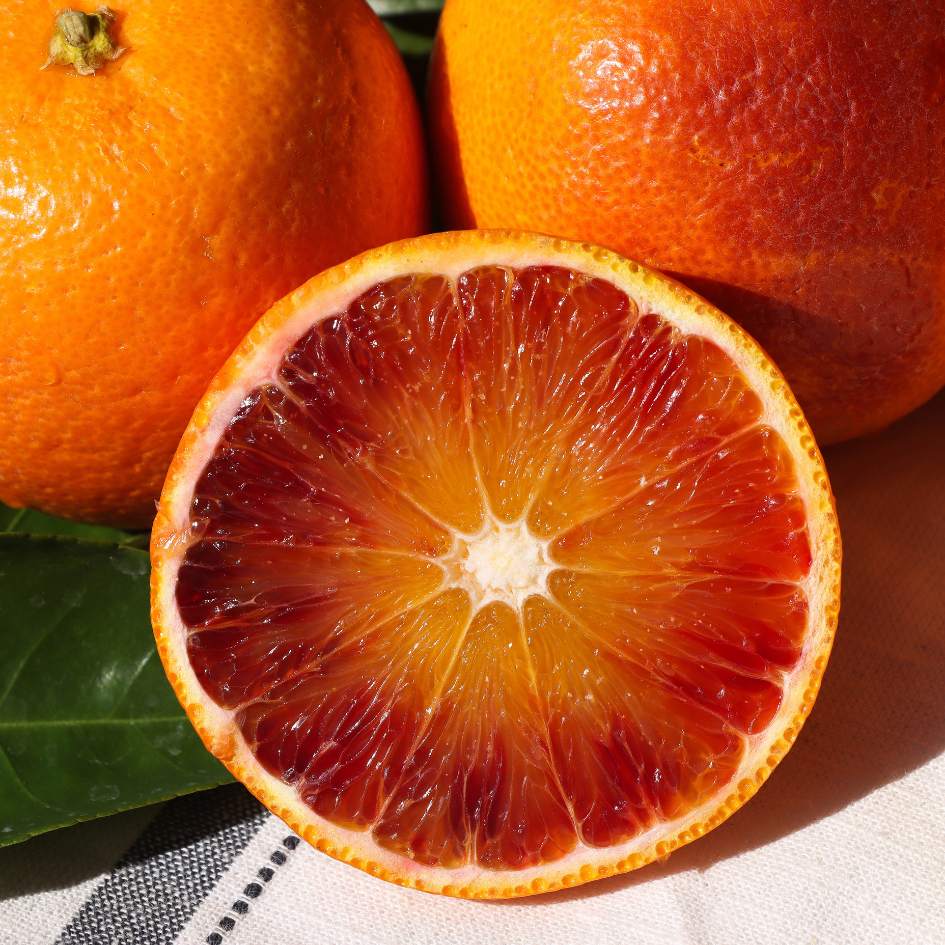
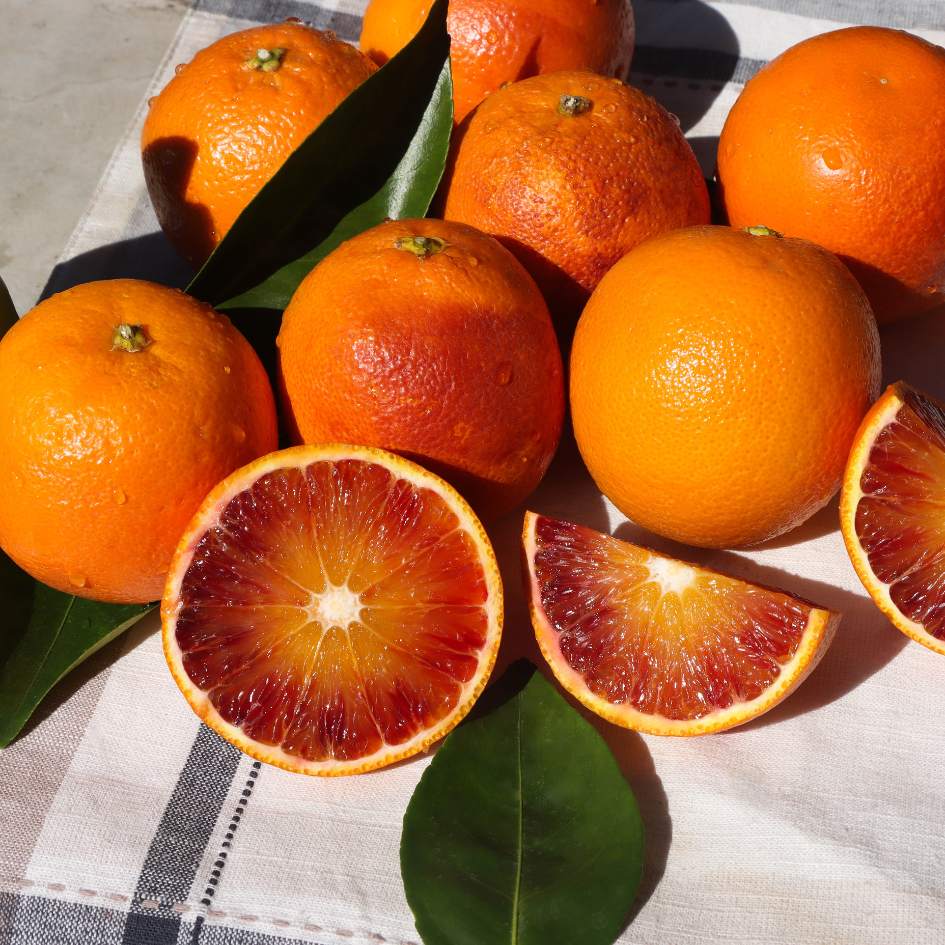
The Moro Blood orange tree is either native to the southern Mediterranean in Sicily, Italy or China. Marmalade and zest for baking are made from blood oranges. Make a winter salad mixed with sliced bulb fennel and olive oil. Blood orange is also used to create gelato, sorbet, and soda's in Italy. It is also popular in vinaigrette-style dressings and to flavor some micro beers. Blood oranges are healthy, and a great source of vitamin C, like all citrus fruits. Also a valuable source of dietary fiber, calcium, thiamine, and folate. The distinct maroon color comes from anthocyanin pigments. These develop when temperatures are low during winter nights. Blood oranges grown in the United States are in season from December to March (Texas), and from November to May (California).
Fruit Description:
Moro Blood Oranges are renowned for their striking appearance. Blood oranges are medium in size and with a distinctive crimson interior that gets its color from the presence of anthocyanin pigments. The flavor is a perfect balance of sweet and tart, making it a culinary delight.
Tree Description:
Moro Blood Orange trees are evergreen citrus trees with glossy, dark green leaves. They produce fragrant white flowers. The roots are fibrous, anchoring the tree securely. The bark is smooth and brown, providing an attractive contrast to the vibrant foliage.
Uses:
Moro Blood Oranges are not only a visual delight but also a culinary treasure. Their juicy, flavorful fruit is perfect for fresh consumption, juicing, or adding a zesty touch to dishes. Rich in vitamin C and antioxidants, they are both delicious and nutritious.
History:
The Moro Blood Orange has a long history, believed to originate in the Mediterranean region, specifically Sicily. Over the years, it has become a symbol of quality and excellence. This unique variety remains integral to culinary traditions, adding its distinct flavor and color to a variety of dishes.


Persian Sweet Lemon (Limu Shirin)
from $70.00
Native to southern regions of Iran, the Persian Sweet Lemon (Limu Shirin) has a sweet, mild flavor. In fact, the fruit is so sweet that you can make lemonade from its juice without having to add extra sugar.
An everbearing fruit tree that is easy to grow and also a heavy producer, the Limu Shirin tree is a wonderful addition to the home garden. The tree itself is quite beautiful and produces fragrant, white flower blossoms. The fruit is medium-sized, round in shape, and has a thin, smooth, yellow skin. It has greenish pulp and an intense, sweet aroma—a floral, lime scent with a touch of pine.
In Iran, it is used as a home remedy for colds and flu, as it is very high in vitamin C and antioxidants.
The Persian Sweet Lemon is very popular throughout India, and is used in many recipes in Indian, Middle Eastern, and Latin American cuisine. It’s great for desserts, cocktails, sauces, marinades, chutneys, limeades. The rind can be used to make candied peel. Because of its low acidity, it should not be used as one would use a Eureka Lemon in a recipe, as it won’t deliver any tartness.


Tango Mandarin Tree
from $190.00
Tango Mandarin Tree For Sale
Sweet, seedless, and easy to peel. Tango Mandarin's marketed as the popular "Cuties". Tango has become a major variety grown in California by the largest growers since its release in 2006 by the University of Riverside. It's an offshoot of Honey mandarin and is now found throughout the United States, Europe, and Australia.
Fruit Description
An excellent and beautiful piece of fruit. 'Tango' fruits are medium-sized fruits that are about 2.5 inches in diameter, and the shape is like a flat sphere with the top and bottom squashed. Deep orange color with smooth skin and sweet, tangy, juicy, and delicious flesh. Very easy to peel. Tango mandarin has 9 to 12 segments that are tender, juicy, and mostly seedless. The rind is thin, smooth, and orange in color.
Tango Mandarin Tree Description
The Tango mandarin tree can produce ripe fruits from Winter to Spring, usually around February to April in Southern California. Late January in most of California, and early December in the Desert. Fruit can be kept on the tree for 3 to 4 months. Therefore, it's also a very ornamental tree. They bear an abundant crop of fruits for the size of the tree.
Planting
Plant your tango mandarin trees as close as 10 feet apart from each other. In commercial orchards, there are 20 feet between rows for equipment. However, leave much less space between rows in home orchards. Trees are mature at 10-15 feet tall. In other words, a very small tree. They are also self-fertile with no pollinator requirement. Cold hardy to 32 degrees Fahrenheit. Mandarin trees are less cold-hardy than orange trees.
Buy Tango mandarin trees in-store or online, and then schedule for delivery by truck or pick-up in Chatsworth, Los Angeles, California at your convenience. Our trees are available in 5-gallon, 15-gallon, 25-gallon, and 36 boxes in Standard and Semi-dwarf forms.


Black Mission Fig Tree
from $65.00
Black Mission Fig Tree
The Black Mission Fig Tree is a hardy, deciduous fruit tree prized for its rich, sweet figs and ornamental beauty. Known for its adaptability and reliable production, this fig tree is a favorite among home gardeners and orchard growers. It is available in Standard, Semi-Dwarf, and Dwarf sizes, making it a versatile choice for a wide range of gardens and landscapes.
Sun Exposure & Size
Sunlight: Plant in full sun to ensure optimal growth, fruiting, and flavor development.
Mature Size: Typically grows 15–25 feet tall, but with pruning can be maintained between 8–15 feet for easier harvesting.
Spacing: Allow 10–15 feet between trees to accommodate canopy spread. Closer spacing is possible for smaller pruned trees or espalier training.
Watering Instructions
Spring: Water young trees regularly, about 1–2 times per week during active growth.
Summer: Increase to 2–3 times per week in hot, dry conditions to maintain soil moisture.
Fall: Gradually reduce watering to once weekly as temperatures cool.
Winter Dormancy: Discontinue watering when the tree is dormant.
Fertilization
Spring: Apply a balanced organic fertilizer, such as a 1-1-1 or 2-1-1 NPK ratio (e.g., 5-5-5 or 6-3-3), to encourage healthy growth.
Summer: Reapply a balanced fertilizer to support ongoing fruit development.
Fall: Avoid high-nitrogen fertilizers; instead, use a low-nitrogen formula with higher phosphorus and potassium (e.g., 4-12-12) to strengthen the tree for the following season.
Additional: In cooler climates, well-aged manure can be applied in winter to improve soil fertility.
Pruning
Winter Pruning: Prune during dormancy to shape the tree, control height, and remove crossing or weak branches.
Summer Thinning: Thin out dense growth, remove water sprouts, and reduce excess fruit to promote airflow, reduce disease, and improve fruit quality.
Pest & Wildlife Management
Dormant Pest Control: Apply dormant fruit tree spray or horticultural oil in winter to control overwintering pests.
Animal Protection: Birds and small animals are attracted to figs. Use netting and repellents to protect ripening fruit during harvest season.
Black Mission Fig Tree Fruit Description & Uses
The Black Mission Fig produces medium to large fruit with deep purple to black skin and a vibrant strawberry-red interior. The figs are exceptionally sweet, with a honeyed flavor and soft texture. They can be eaten fresh, dried, or used in baking, preserves, and savory dishes. Known for its heavy and consistent yields, this tree provides both delicious fruit and ornamental appeal in the home garden.
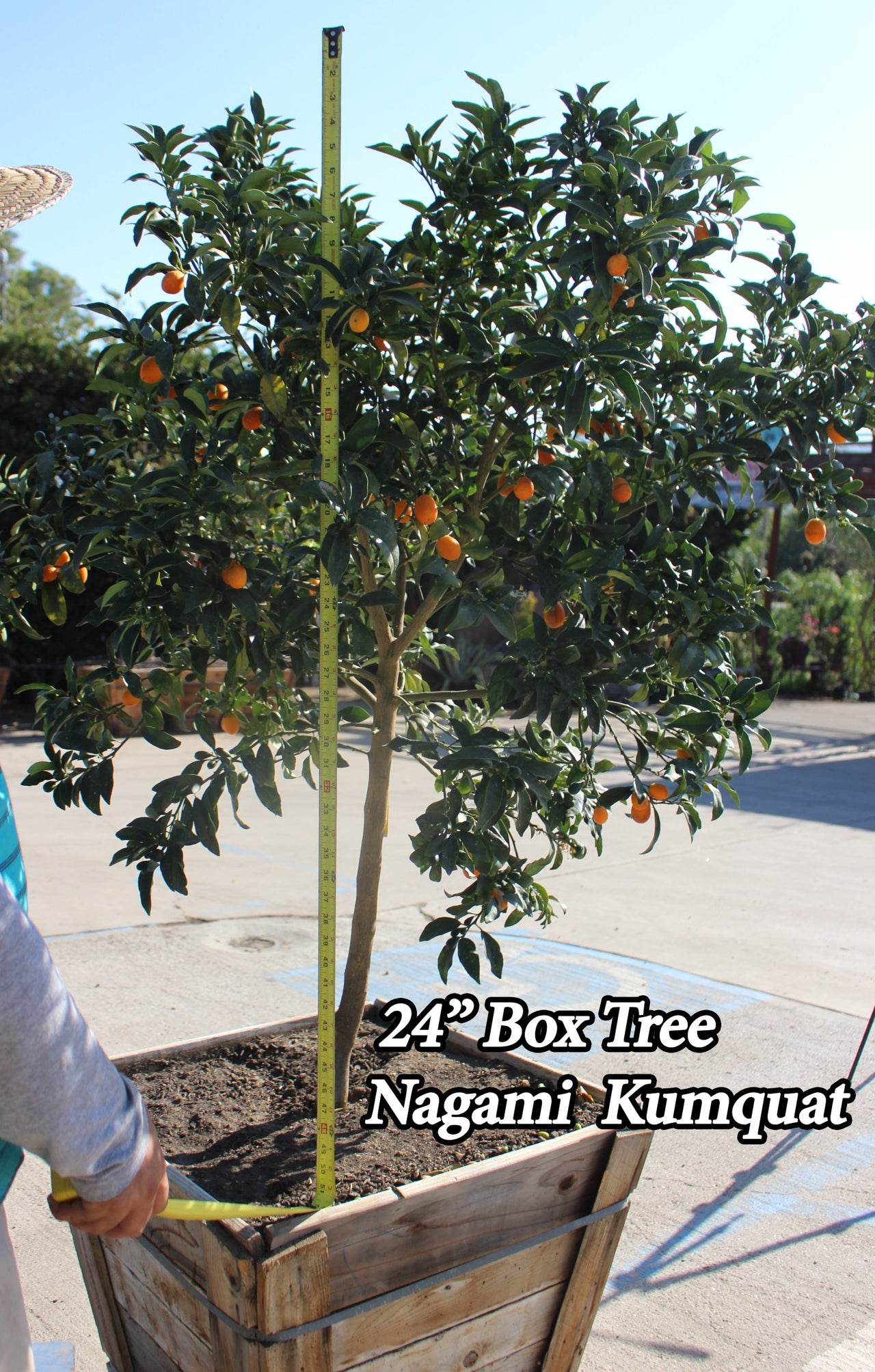
Nagami Kumquat Tree
from $70.00
The Nagami Kumquat tree is a hardy, evergreen citrus tree that can tolerate a wide range of temperatures. It thrives in USDA hardiness zones 8-11 and can also be grown in containers, allowing it to be moved indoors during cold weather. Being an evergreen tree, it retains its leaves throughout the year, making it a visually appealing addition to any garden.
Growing Conditions and Care
Temperature Tolerance: Nagami Kumquat trees can handle both warm and moderately cool temperatures. They are ideal for areas within hardiness zones 8-11.
Container Growing: The tree can be grown in containers, making it easier to move indoors during colder months or to provide optimal growing conditions in smaller spaces.
Soil and Watering: The tree prefers well-draining soil and should be watered regularly but not excessively. Ensure the soil stays moist but not waterlogged to avoid root issues.
Fertilization: Use a citrus fertilizer during the growing season to support healthy growth and fruit production.
Pruning: Pruning can be done as needed to maintain the desired shape and to promote healthy airflow within the tree.
Fruit Characteristics and Uses
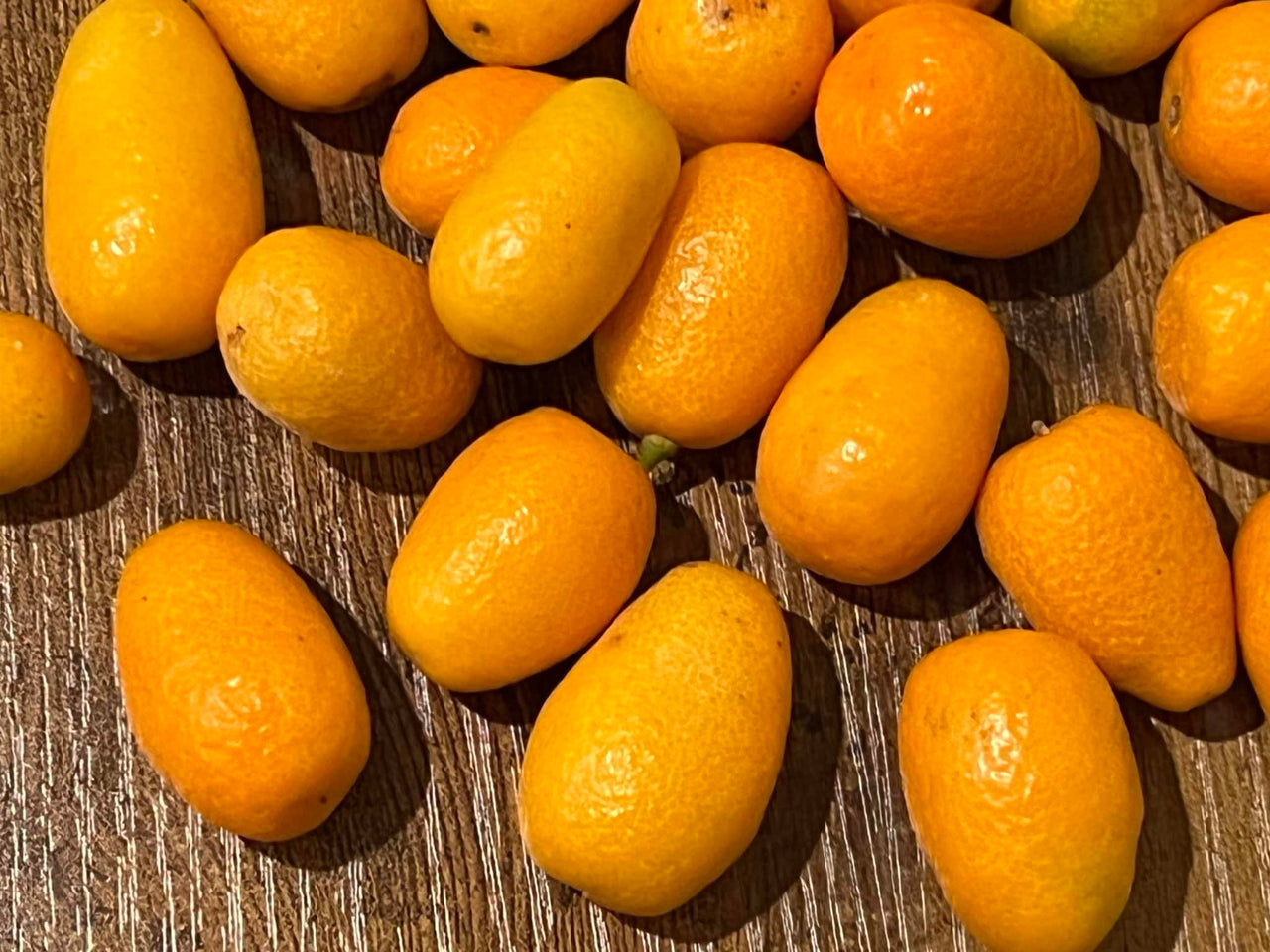
Nagami Kumquats typically ripen during the winter months, providing fresh citrus during the colder season. The fruit is small, sweet, and sour, making it perfect for eating fresh or using in various culinary applications such as marmalade, jelly, or other preserves.
Additional Uses
Fruit: Can be eaten fresh or used to make marmalade, jelly, or preserves.
Leaves: The leaves can be harvested and used to make a fragrant and flavorful tea.
Summary
The Nagami Kumquat tree is a small but hardy citrus tree that is easy to care for and can tolerate a wide range of temperatures. Its sweet and sour fruit is ideal for fresh consumption or preserving, and the evergreen tree is a wonderful addition to any home garden or orchard, especially for fresh citrus during the winter months. The leaves can also be used for tea, adding another unique feature to this versatile tree.
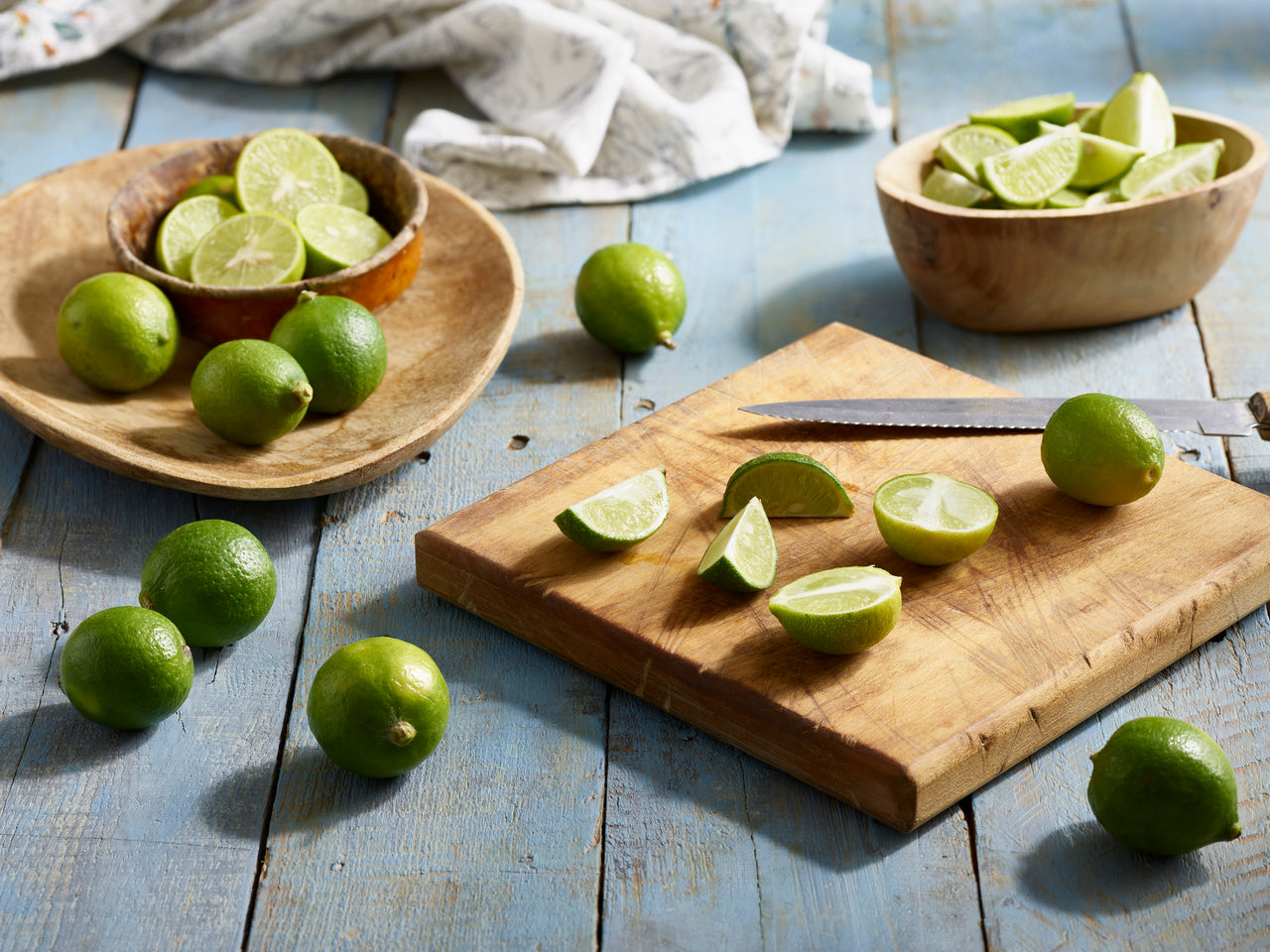
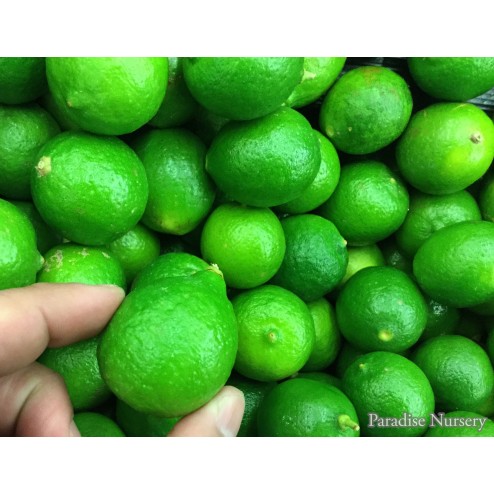
Mexican Key Lime Tree (Citrus × aurantiifolia)
from $70.00
The Key Lime tree is known for producing small, juicy, tart, and delicious fruits. These limes are often used in beverages like tequila shots or sliced and placed in the neck of a glass beer bottle. The tree is vigorous and prolific, with fruits that are harvested green and consumed when they turn yellow.
Planting and Growing Conditions
Sunlight: Thrives in full sun; requires at least 6-8 hours of direct sunlight daily.
Soil: Prefers well-draining, sandy loam soil with a slightly acidic to neutral pH (6.0 to 7.5).
Watering: Requires regular watering, especially during dry spells. Soil should be moist but not waterlogged.
Temperature: Best suited for warm climates; sensitive to frost and should be protected or moved indoors in cooler regions.
Care and Maintenance
Fertilization: Use a balanced citrus fertilizer during the growing season to promote healthy growth and fruit production.
Pruning: Prune in late winter or early spring to remove dead or crossing branches and to maintain shape.
Pest Control: Monitor for common pests like aphids, scale insects, and citrus leaf miners. Employ appropriate organic or chemical treatments as needed.
Harvesting Key Limes
Timing: Fruits are typically harvested when green but can be left on the tree until they turn yellow for increased sweetness.
Method: Gently twist and pull the fruit from the branch to avoid damaging the tree.
Frequency: In optimal conditions, Key Lime trees can produce fruit year-round, with peak seasons in late summer to early fall.
Culinary Uses of Key Lime Fruit
Beverages: Enhances the flavor of cocktails, beers, and non-alcoholic drinks.
Cooking and Baking: Essential ingredient in Key Lime pie, marinades, and dressings.
Garnishes: Adds a fresh, citrusy touch to various dishes and desserts.
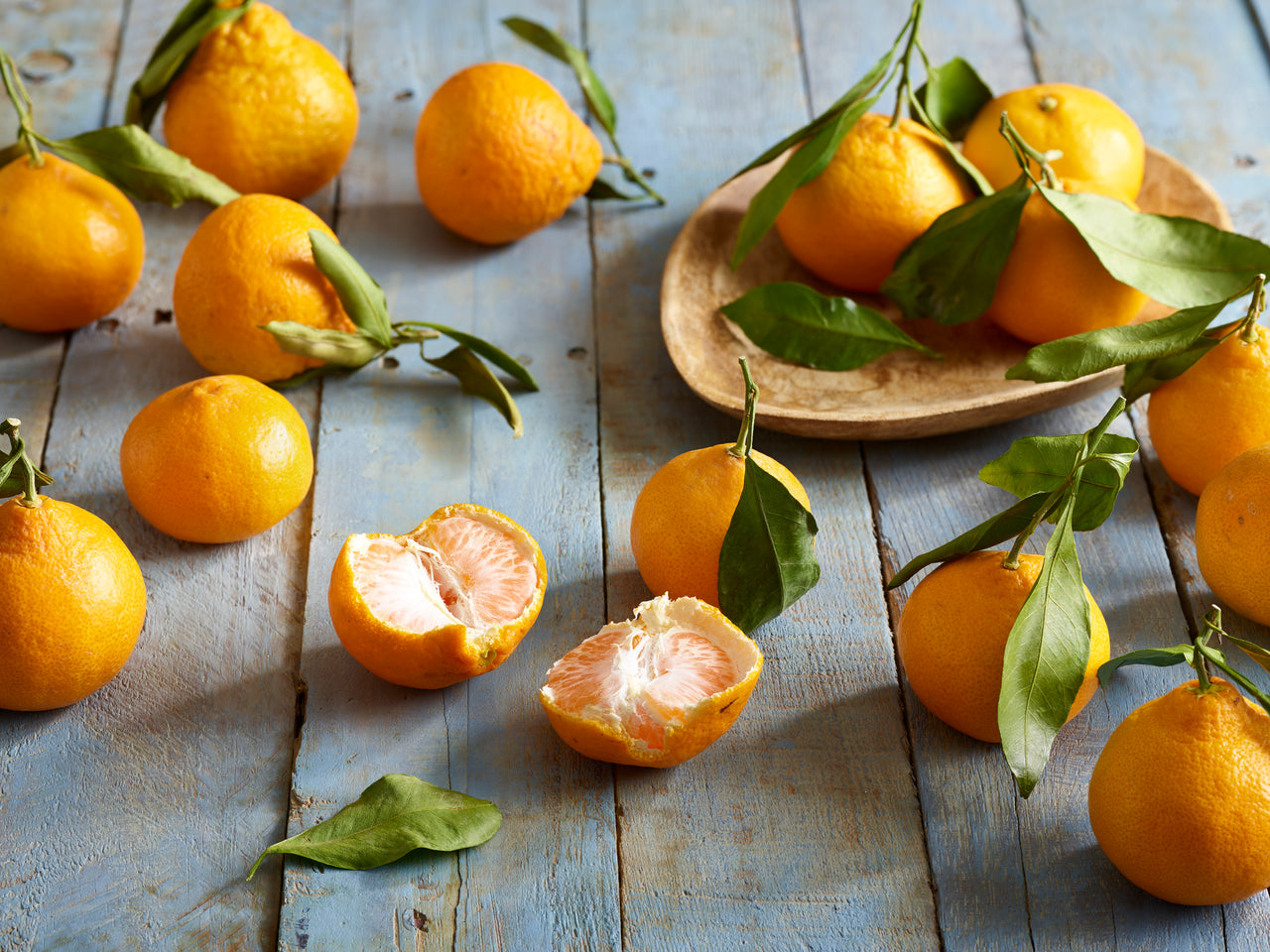
Satsuma Mandarin Tree Owari
from $190.00
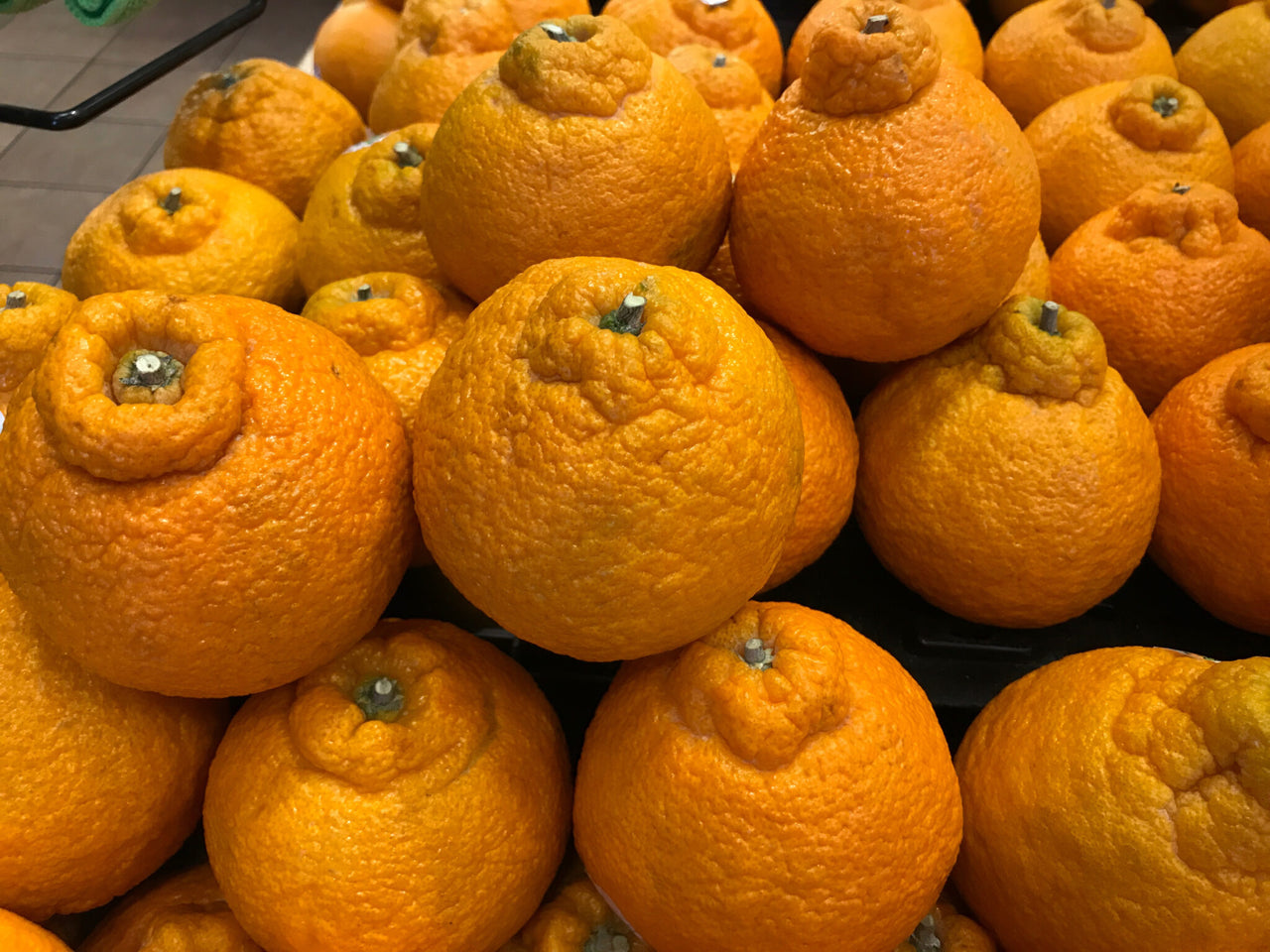
Satsuma Mandarin / Tangerine Tree Information & Care
Satsuma Mandarin trees are evergreen and grown in Standard and Semi-Dwarf forms. The Standard tree has a single trunk with a canopy that starts a few feet from the ground. Semi-dwarf trees are "topped" when young to promote their side branches to grow like a bush. Both are great for pots! Select a standard or semi-dwarf if you prefer a traditional umbrella shape tree. Select a semi-dwarf if you would like a shorter tree with a canopy close to the ground.
Although a citrus tree can grow over 20 feet tall, most prune to keep them short. Therefore, many grow mandarin trees 9 – 15 feet tall. When it comes to spacing, plant citrus trees as close as 9 feet apart. Provide more space to allow for larger growth. The mandarin tree is a great choice for the home garden. Its small size will serve as a beautiful ornamental, as well as provide many fruits.
How To Plant, Water, and Fertilize A Mandarin Citrus Tree
Plant a mandarin tree in the full sun. Amends with high-quality planting mix and fertilizer in soil that drains well. Water a newly planted mandarin tree twice per week during the Spring through Summer. Water once per week in the Fall and Winter, while the weather is cool. Consequently, trees in hot climates or sandy soils may need water more frequently.
Spring is the most important time to fertilize a citrus tree. Use citrus food fertilizer with a 2-1-1 NPK ratio in the Spring through Summer. To promote growth, there is twice as much nitrogen to phosphorus and potassium. Blood meal and manure are great organic sources of Nitrogen. Use a fertilizer with more phosphorus and potassium like bone meal fertilizer during the Winter to promote flowers and fruit.
The mandarin tree has few pests and problems. They are less attractive to birds and animals like squirrels than deciduous fruits.
The Satsuma mandarin tree does great in Los Angeles, Ventura, Santa Barbara, Riverside, Orange, and San Diego Counties.
Valencia Orange Tree
from $170.00
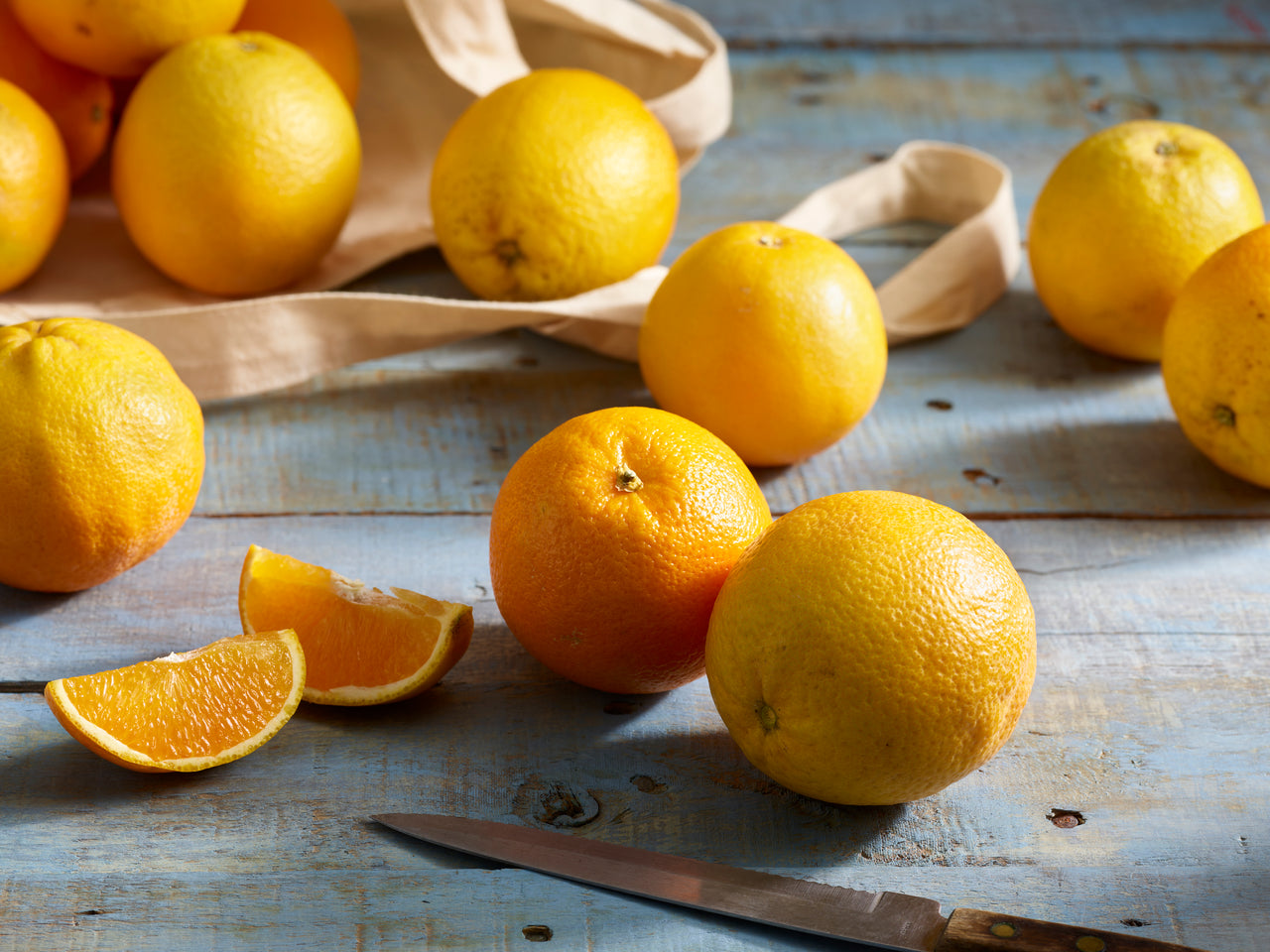
Valencia oranges are one of the most popular orange varieties, known for their sweet, juicy flavor and vibrant color. They are prized for making juice and are often referred to as the "summer orange" because they ripen later than other varieties. The fruit is typically medium to large, with a thin, smooth skin that turns a bright orange when fully ripe. Valencia oranges are nearly seedless and have a high juice content, making them ideal for both fresh eating and juicing.
Growth and Planting Conditions
Sunlight: Valencia Orange trees require full sun to thrive. Make sure to plant them in a location where they receive at least 6-8 hours of direct sunlight each day.
Soil: These trees prefer well-draining, sandy or loamy soil. Ensure that the soil is slightly acidic to neutral with a pH range of 6.0 to 7.5.
Temperature: Valencia Orange trees grow best in warm climates. They are suitable for USDA Zones 9-11 and need protection from frost. In colder regions, growing them in containers allows you to bring them indoors during winter.
Spacing: When planting Valencia Orange trees, space them about 12-15 feet apart to allow for proper air circulation and root growth.
Watering and Irrigation
Watering Schedule: Regular watering is essential, especially during the first few years after planting. Water the tree deeply about once a week, ensuring the soil is moist but not waterlogged.
Summer Watering: Increase the frequency of watering during hot, dry periods, especially when the tree is fruiting. In hotter climates, watering 2-3 times a week may be necessary.
Mulching: Apply a layer of mulch around the base of the tree to retain soil moisture and prevent weeds. Make sure the mulch doesn’t touch the trunk to avoid rot.
Fertilization
Fertilizer Type: Use a citrus-specific fertilizer with a balanced NPK ratio, such as 6-4-6, during the growing season.
Application: Fertilize the tree 3-4 times a year, starting in early spring and continuing through summer. Be sure to include micronutrients like magnesium, zinc, and iron to support healthy foliage and fruit production.
Organic Options: For a natural approach, organic fertilizers like compost and manure can provide the nutrients needed for steady growth.
Pruning
Timing: Prune Valencia Orange trees in late winter or early spring before new growth begins.
Method: Remove any dead, diseased, or crossing branches to improve air circulation and allow sunlight to penetrate the canopy. This helps prevent disease and promotes healthy fruit production.
Shaping: Prune to maintain a manageable size and shape, especially if you are growing the tree in a container.
Pest and Disease Control
Common Pests: Watch for common citrus pests such as aphids, spider mites, and citrus leaf miners. Treat infestations with neem oil or organic insecticidal soap.
Disease Prevention: Prevent fungal diseases like root rot by ensuring proper drainage. Keep the tree well-pruned to allow for good airflow around the branches and leaves.
Harvesting and Fruit Characteristics
Harvest Time: Valencia oranges ripen later than other citrus varieties, usually in late spring to summer. The fruit may stay on the tree for several months without losing quality, which allows for an extended harvest.
Ripeness Indicators: Valencia oranges develop their full sweetness when left on the tree until fully ripe. The fruit should have a deep orange color and feel firm to the touch.
Usage: These oranges are excellent for juicing due to their high juice content, but they are also great for eating fresh.
History of Valencia Oranges
Valencia oranges were developed in the mid-19th century by American agronomist William Wolfskill in Southern California. He named the variety after Valencia, Spain, a region known for its sweet oranges. The Valencia orange quickly became the preferred variety for juice production due to its high juice content, fewer seeds, and superior flavor. Today, it remains one of the most important commercial orange varieties globally, especially in juice production.
Rio Red Grapefruit Tree
from $170.00
Red Rio Grapefruit Tree Information and Care
The Red Rio Grapefruit tree is an evergreen citrus that can grow very large. Harvest red-flesh grapefruits from your own tree in the Wintertime. Prune Grapefruit trees in the late Winter and Summer to help keep your trees smaller.
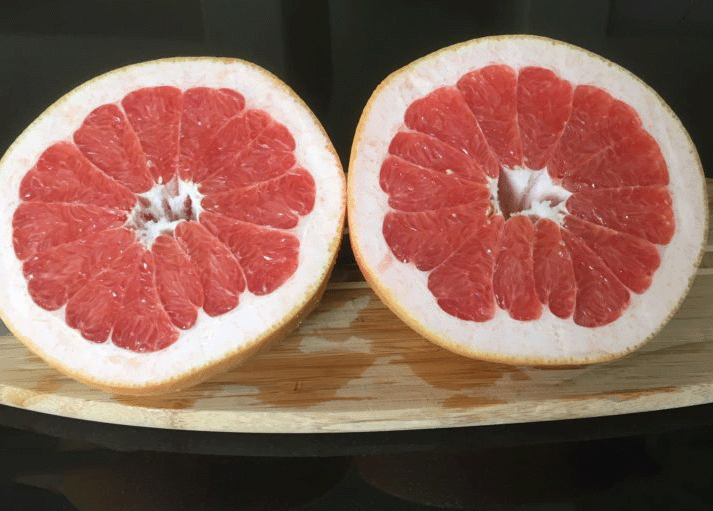
These round-shaped fruits have deliciously sweet and slightly acidic flesh. The Red Rio Ruby Grapefruit has few seeds and has a particularly amazing color and fragrance. If you want an easy-to-grow red variety, the red Rio grapefruit they are hardy relative to other varieties.
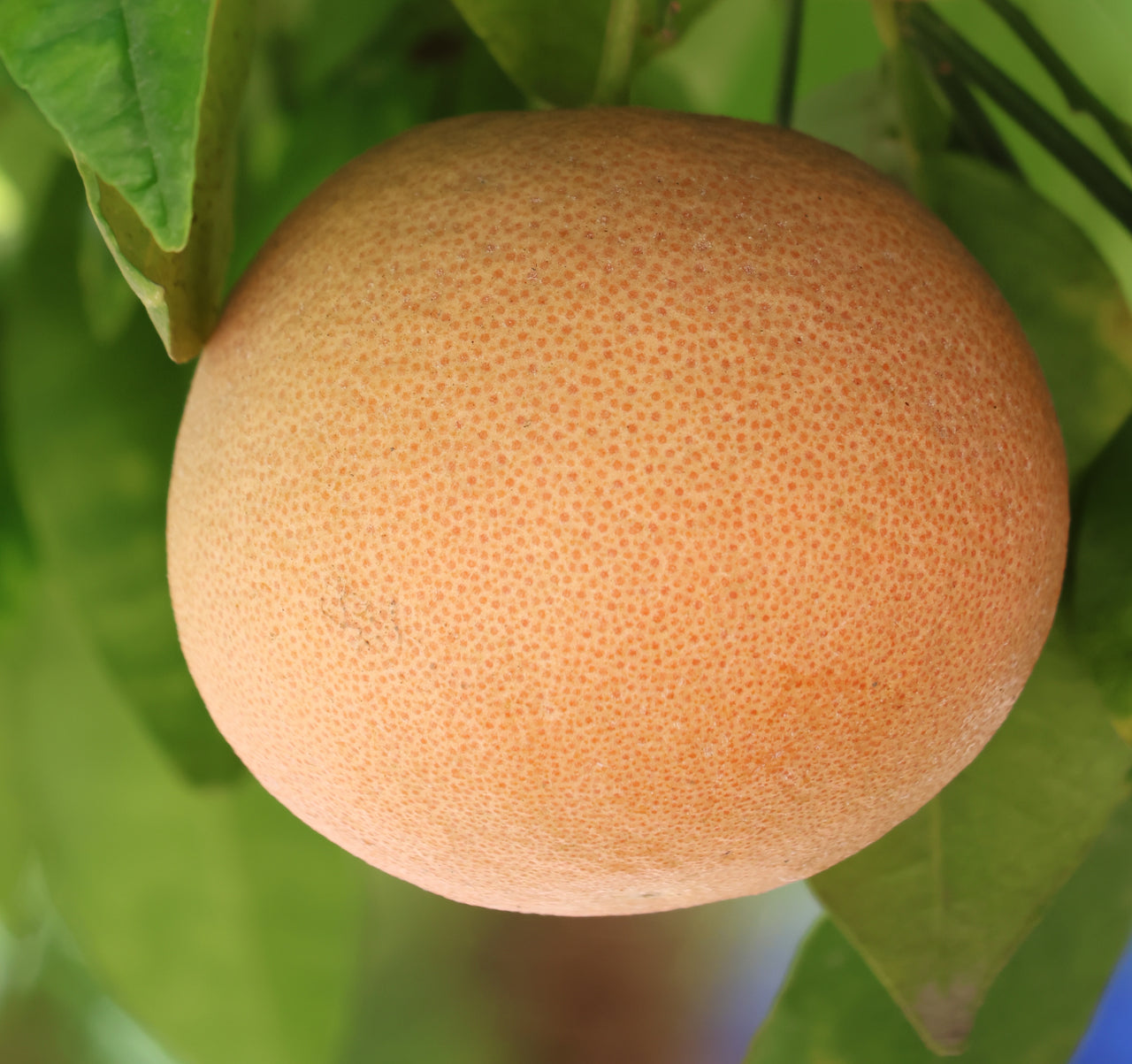
Grapefruit leaves are dark green, long (6"), and glossy. White four-petal blossoms provide nice citrus aromas. The thin skin of this grapefruit is yellow-orange with a blush. The harvest season for this grapefruit is in Winter through Spring.
Plant Red Rio Grapefruit trees under the full sun and in well-draining soil. Does not do well with cold weather. Feed with organic citrus food fruit tree fertilizer to prevent nutrient deficiency.