



Seckel pears, also known as “sugar pears,” are a small, sweet variety that is highly prized for their rich, spicy flavor. They are often considered the sweetest of all pear varieties. Seckel pears have a distinctive look with their small, round shape and russeted skin, which can range from olive green to dark maroon as they ripen. These pears are excellent for fresh eating, canning, or baking, and are especially popular in gourmet dishes.
Growth and Planting Conditions
- Sunlight: Seckel pear trees thrive in full sun and should be planted where they receive at least 6-8 hours of direct sunlight daily.
- Soil: These trees prefer well-draining, loamy soils with a pH between 6.0 and 7.0. Though they are adaptable to various soil types, it’s important to ensure that the soil drains well to prevent root rot.
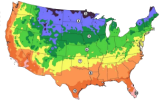
- Temperature: Seckel pear trees are hardy and can grow in USDA Zones 6-10. They tolerate cold winters and are ideal for cooler climates.
- Spacing: Plant Seckel pear trees 12-15 feet apart to give them adequate room for air circulation and root development. In smaller gardens, they can be planted closer if pruned regularly.
Watering and Irrigation
- Watering Schedule: Water young trees regularly, about once a week, to keep the soil moist but not waterlogged. Mature trees can handle some drought but will produce better fruit with consistent watering, especially during dry spells.
- Mulching: Apply a layer of mulch around the base of the tree to help retain soil moisture, suppress weeds, and protect the roots. Keep the mulch away from the tree’s trunk to prevent rot.
Fertilization
- Fertilizer Type: Apply a balanced fertilizer (e.g., 10-10-10) in the spring before the growing season begins. Organic options like compost or manure can also be used to improve soil health and promote steady growth.
- Application: Fertilize 2-3 times per year—once in early spring and again in midsummer. Be cautious not to over-fertilize, as this can encourage excessive leaf growth at the expense of fruit production.
Pruning
- Timing: Prune Seckel pear trees in late winter or early spring while they are dormant.
- Method: Remove dead, diseased, or damaged branches. Thin out overcrowded areas to improve air circulation and sunlight penetration. This helps prevent disease and encourages better fruiting.
- Shaping: Train the tree into a central leader form to promote a strong, healthy structure for fruit-bearing.
Pest and Disease Control
- Common Pests: Watch for common pear pests such as pear psylla, aphids, and codling moths. Use organic insecticides like neem oil or horticultural oil to control infestations.
- Disease Prevention: Seckel pears are susceptible to fire blight, a bacterial disease that affects pear trees. Proper pruning, good airflow, and avoiding excessive nitrogen fertilization can help reduce the risk of fire blight.
Harvesting and Fruit Characteristics
- Harvest Time: Seckel pears are typically ready for harvest in late summer to early fall, depending on your climate. These pears should be picked when they are still firm and allowed to ripen off the tree.
- Ripeness Indicators: When ripe, the pears turn from green to a warm russet or maroon hue. They will feel slightly soft to the touch and give off a sweet fragrance.
- Usage: Seckel pears are excellent for fresh eating, canning, and baking. Their small size and sweet flavor make them perfect for desserts, salads, and gourmet dishes.
History of Seckel Pears
The Seckel pear is believed to have originated in the early 19th century in Pennsylvania. It was named after a farmer named Seckel, who is thought to have discovered the tree growing wild on his property. The tree gained popularity due to its compact size, hardiness, and exceptional sweetness. Today, Seckel pears are valued for their versatility in the kitchen and are one of the few true American pear varieties still widely grown.