

Get notified
Rose Ghamsar, also known as the Damask rose, is a variety famous for its fragrant blooms and historical significance in the production of rose water and perfumes. The flowers are typically light pink, with a strong, intoxicating scent that makes them ideal for both ornamental and commercial use. Ghamsar, a region in Iran, is renowned for cultivating this special rose, which is harvested for its essential oils used in high-quality perfumes and traditional Persian rose water.
Growth and Planting Conditions
- Sunlight: Rose Ghamsar thrives in full sunlight. To ensure healthy blooms, plant the rose in a location that receives at least 6-8 hours of direct sunlight each day.
- Soil: These roses prefer well-draining soil with a slightly acidic to neutral pH (6.0-7.0). Adding organic matter such as compost or aged manure will help improve soil structure and fertility.
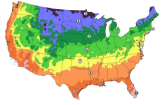
- Temperature: Rose Ghamsar is best suited for regions with cool winters and warm summers. It is generally hardy in USDA Zones 6-10 but prefers climates similar to the arid regions of Iran.
- Spacing: Space the rose plants about 2-3 feet apart to allow for proper air circulation, which helps prevent disease and promotes healthy growth.
Watering and Irrigation
- Watering Schedule: Water deeply and regularly, especially during the growing and blooming seasons. Water once or twice a week, ensuring the soil stays moist but not waterlogged.
- Mulching: Apply a layer of organic mulch around the base of the plant to retain moisture, regulate soil temperature, and prevent weed growth. Keep the mulch away from the stems to avoid rot.
Fertilization
- Fertilizer Type: Use a balanced rose fertilizer or an organic blend rich in phosphorus to encourage blooming. Fertilize in early spring as new growth begins, and reapply during the blooming season.
- Application: Fertilize the plants every 4-6 weeks during the growing season to ensure continuous blooms. Avoid over-fertilizing, as this can lead to excessive leaf growth and fewer flowers.
Pruning
- Timing: Prune Rose Ghamsar in late winter or early spring before new growth emerges.
- Method: Remove dead, damaged, or diseased branches, and thin out the center of the plant to improve airflow. Cut back about one-third of the plant to encourage strong growth and blooming.
- Shaping: Prune to maintain a desired shape, particularly if growing in a small garden or container. Regular pruning also promotes more vigorous flowering.
Pest and Disease Control
- Common Pests: Rose Ghamsar can be affected by aphids, spider mites, and rose leafhoppers. Use insecticidal soap or neem oil to control pests.
- Disease Prevention: The plant is susceptible to common rose diseases such as black spot, powdery mildew, and rust. Proper spacing, good air circulation, and regular pruning can reduce the risk of fungal infections. Treat with organic fungicides if needed.
Harvesting and Uses
- Harvest Time: The flowers of Rose Ghamsar are typically harvested in late spring to early summer, depending on the region and climate.
- Rose Water and Perfume: The petals are used to make traditional Persian rose water, which is a key ingredient in perfumes, cosmetics, and culinary dishes. The essential oils extracted from Rose Ghamsar are considered some of the finest in the world, often used in high-end perfumes.
- Culinary Uses: Rose water made from Rose Ghamsar is commonly used in Persian cuisine, especially in desserts like baklava, halva, and sherbets, adding a delicate floral aroma to the dishes.
History of Rose Ghamsar
Rose Ghamsar, or the Damask rose, has a long history dating back over 1,000 years. It is named after the city of Ghamsar, located in Iran, which is known for its rose water production. The roses are harvested annually during spring, and the region celebrates the rose harvest with festivals. The practice of distilling rose water in Ghamsar has been passed down through generations, making the region a central hub for rose oil and rose water production in the Middle East. The Damask rose is also believed to have been brought to Europe during the Crusades, contributing to its global fame and use in perfumery.
Step One:
Soil and Planting: Plant in soil that drains well. Dig a hole that is as deep as the tree’s roots and at least twice as wide.
Step Two:
Place the tree in the hole and backfill around the plant’s roots with a mixture of the native soil and high-quality planting mix that has washed sand and organic fertilizer.
Step Three:
Create a basin around the roots drip zone so that water collects. Water deeply until the roots and nearby soil is saturated and reaches field capacity.