

Your Zipcode:
- - - - -
LOCAL
NON LOCAL
Your Hardiness Zone:
- -
Get notified
Plant Description
Planting
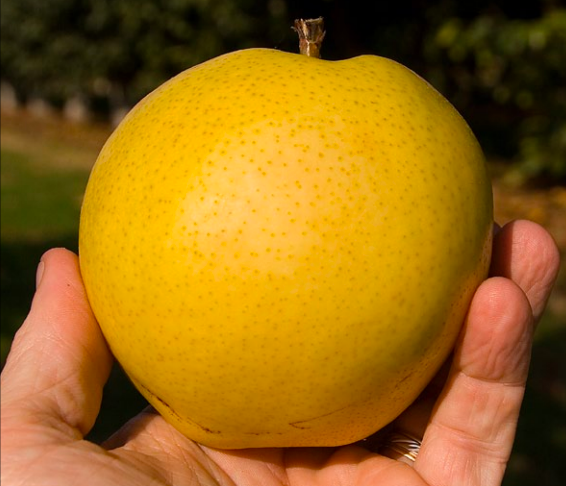
Monterey Pear trees are easy to grow, vigorous, and tend to grow upright. They can be pruned and maintained as small as 10 feet tall and wide, though they have the potential to grow over twice as large.
Planting and Spacing
- Sunlight: Plant Monterey Pear trees in full sun or part shade for optimal growth.
- Spacing: When planting, ensure trees are spaced according to your intended size. In home orchards, space trees about 10 feet apart to maintain a compact size. If you plan to let them grow larger, provide more space accordingly.
Pruning Guidelines
- Winter Pruning: Prune the tree during its dormant winter phase to encourage healthy growth.
- Summer Thinning: Thin the tree in summer to maintain shape and encourage air circulation.
Watering Needs
- Growing Season: Water trees regularly throughout the spring and summer growing season to ensure proper hydration.
- Dormancy: Monterey pear trees are deciduous, becoming dormant in winter. Discontinue supplemental irrigation during their dormancy.
Fertilization Requirements
- Winter Fertilization: Use organic fertilizers rich in phosphorus and potassium, such as humus-based or bone meal fertilizers, to promote spring blossoms.
- Spring Fertilization: Apply fertilizers with higher nitrogen content, like manure or blood meal, during the early spring growing season to support vigorous growth.
Step One:
Soil and Planting: Plant in soil that drains well. Dig a hole that is as deep as the tree’s roots and at least twice as wide.
Step Two:
Place the tree in the hole and backfill around the plant’s roots with a mixture of the native soil and high-quality planting mix that has washed sand and organic fertilizer.
Step Three:
Create a basin around the roots drip zone so that water collects. Water deeply until the roots and nearby soil is saturated and reaches field capacity.