

Get notified
Long Beach Peach Tree Information and Care
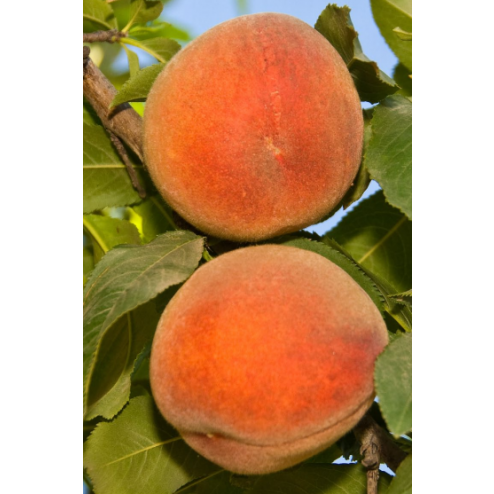
The Long Beach Peach Tree is a deciduous fruit tree that sheds its leaves during the winter months and begins a fresh growth cycle in the spring. As spring arrives, the tree produces vibrant pink blossoms that add a beautiful, ornamental touch to the landscape. These blossoms eventually give way to an abundance of medium to large peaches by mid to late summer, offering a delicious harvest. The fruit is typically juicy with a sweet-tart flavor, making it ideal for fresh eating, baking, and preserving.
Tree Size and Growth
This peach tree can be managed at a compact size, ideal for smaller spaces or home orchards. With regular pruning, it can be kept under 10 feet tall and wide, which also makes it easier to care for and harvest. However, if left unpruned, the tree can grow larger, reaching up to 15 feet in height and spread. For optimal fruit production and ease of care, it’s recommended to maintain a manageable size through regular pruning.
Watering and Irrigation
As with most peach trees, the Long Beach Peach Tree requires regular watering, especially during the growing season. Here's how to care for your tree based on seasonal needs:
-
Spring: As the tree begins to leaf out in the spring, start a consistent watering schedule. Water young trees weekly, ensuring the soil is evenly moist but not waterlogged.
-
Summer: During the hot summer months, especially in Mediterranean climates, increase the frequency of watering to 2-3 times a week. It’s essential to water deeply, allowing the moisture to penetrate the soil and reach the entire root system. Shallow watering can cause roots to remain near the surface, making the tree more susceptible to drought stress.
-
Soil Considerations: The amount and frequency of watering depend on your soil type. In loamy or clay soils common in Mediterranean climates, ensure that the water drains well. If the soil is sandy or well-draining, you may need to water more frequently. Adding a layer of mulch around the tree’s base can help retain soil moisture and regulate soil temperature, promoting healthy root growth.
Soil and Fertilization
The Long Beach Peach Tree thrives in well-drained soil with a slightly acidic to neutral pH (6.0-7.0). It’s important to prepare the soil properly before planting by amending it with organic matter such as compost or aged manure. This helps improve soil structure and ensures that the tree's roots receive the nutrients they need.
- Fertilization: Apply a balanced fertilizer in early spring, just as the tree begins to leaf out, to promote healthy growth and fruit production. A fertilizer with an NPK ratio of 10-10-10 or similar works well. Reapply fertilizer in mid-summer if needed, but avoid fertilizing late in the season to prevent excessive new growth that could be damaged by cold weather.
Pruning and Maintenance
To maintain the health and productivity of the Long Beach Peach Tree, pruning is essential. Prune the tree in late winter or early spring while the tree is dormant. Remove any dead, damaged, or crossing branches to improve air circulation and sunlight penetration. This also helps prevent diseases like peach leaf curl and fungal infections.
Pruning also allows you to shape the tree, controlling its height and width. For ease of harvesting and to encourage more fruit production, consider maintaining an open-center or vase shape, which allows sunlight to reach the inner branches.
Pest and Disease Management
While peach trees are generally hardy, they can be susceptible to pests such as aphids, peach tree borers, and scale insects. Regularly inspect your tree for signs of infestation and use organic insecticidal soap or neem oil as needed to control pests.
Diseases such as peach leaf curl, brown rot, and powdery mildew can affect peach trees, particularly in humid or wet climates. To prevent fungal issues, prune the tree to improve airflow and avoid overhead watering. Applying a copper-based fungicide in early spring before bud break can also help prevent peach leaf curl.
Harvesting
Peaches from the Long Beach Peach Tree are typically ready to harvest by mid to late summer, depending on the local climate and growing conditions. The fruit is ready to pick when it is firm but slightly soft to the touch and develops a rich color. Harvest peaches gently to avoid bruising and enjoy them fresh or in your favorite recipes. Peaches can also be canned, frozen, or dried for later use.
Step One:
Soil and Planting: Plant in soil that drains well. Dig a hole that is as deep as the tree’s roots and at least twice as wide.
Step Two:
Place the tree in the hole and backfill around the plant’s roots with a mixture of the native soil and high-quality planting mix that has washed sand and organic fertilizer.
Step Three:
Create a basin around the roots drip zone so that water collects. Water deeply until the roots and nearby soil is saturated and reaches field capacity.