
Your Zipcode: - - - - - LOCAL NON LOCAL
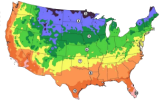
Your Hardiness Zone: - -

Why do we ask for location ?

It helps us recommend trees and plants that are well-suited to the local climate, based on your Growing Zone.

Invalid Zip code.
Growing Zone: 7

Changing Shipping Zip Code may result in removal of items already in your cart

Location?

We couldn’t detect your ZIP. Please enter your 5-digit ZIP.
Please Confirm

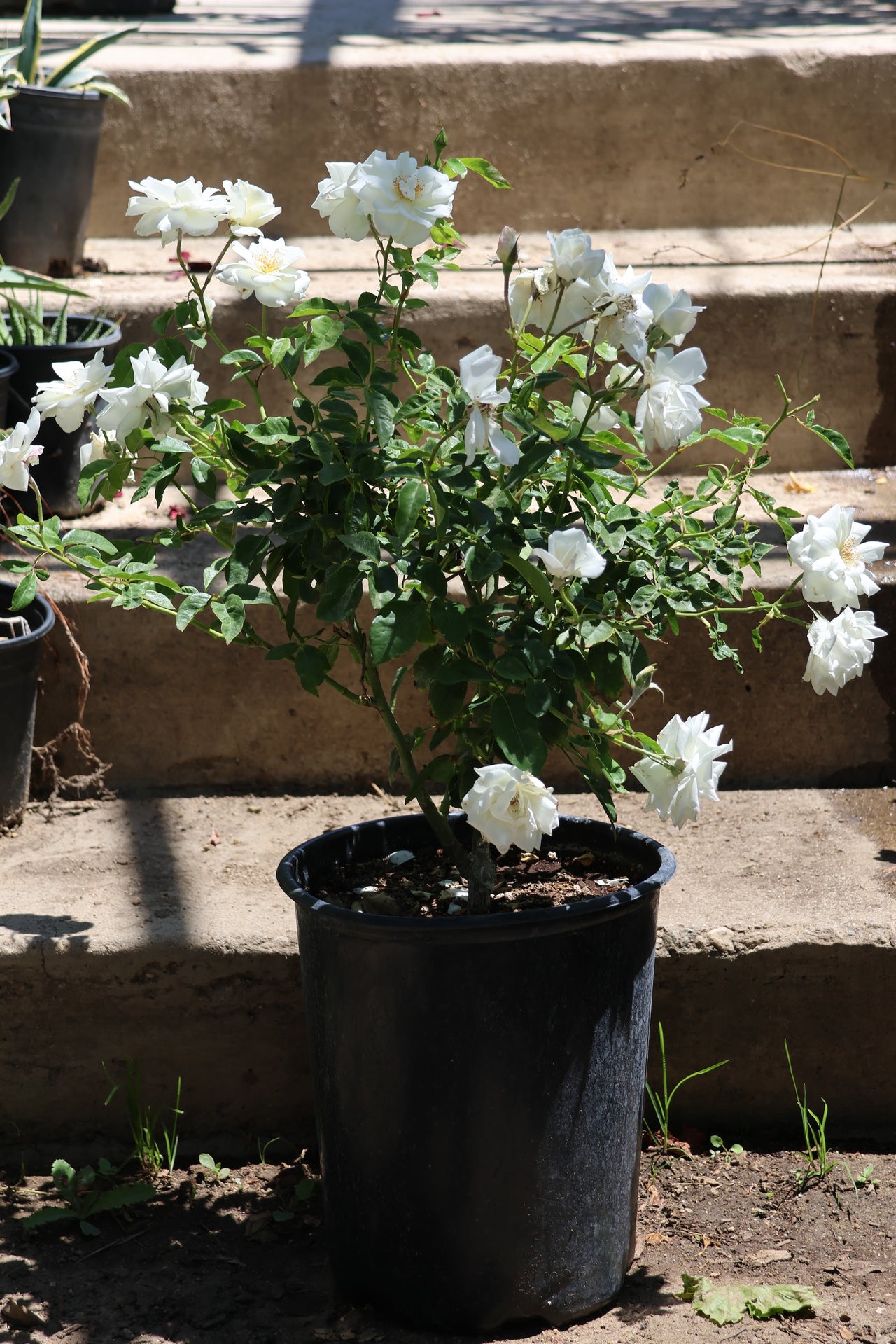
Iceberg Rose

$35.00

Iceberg Rose

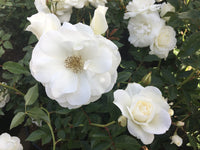
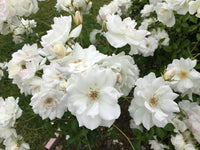
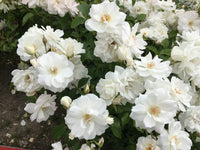
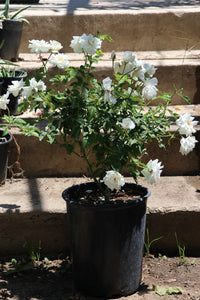
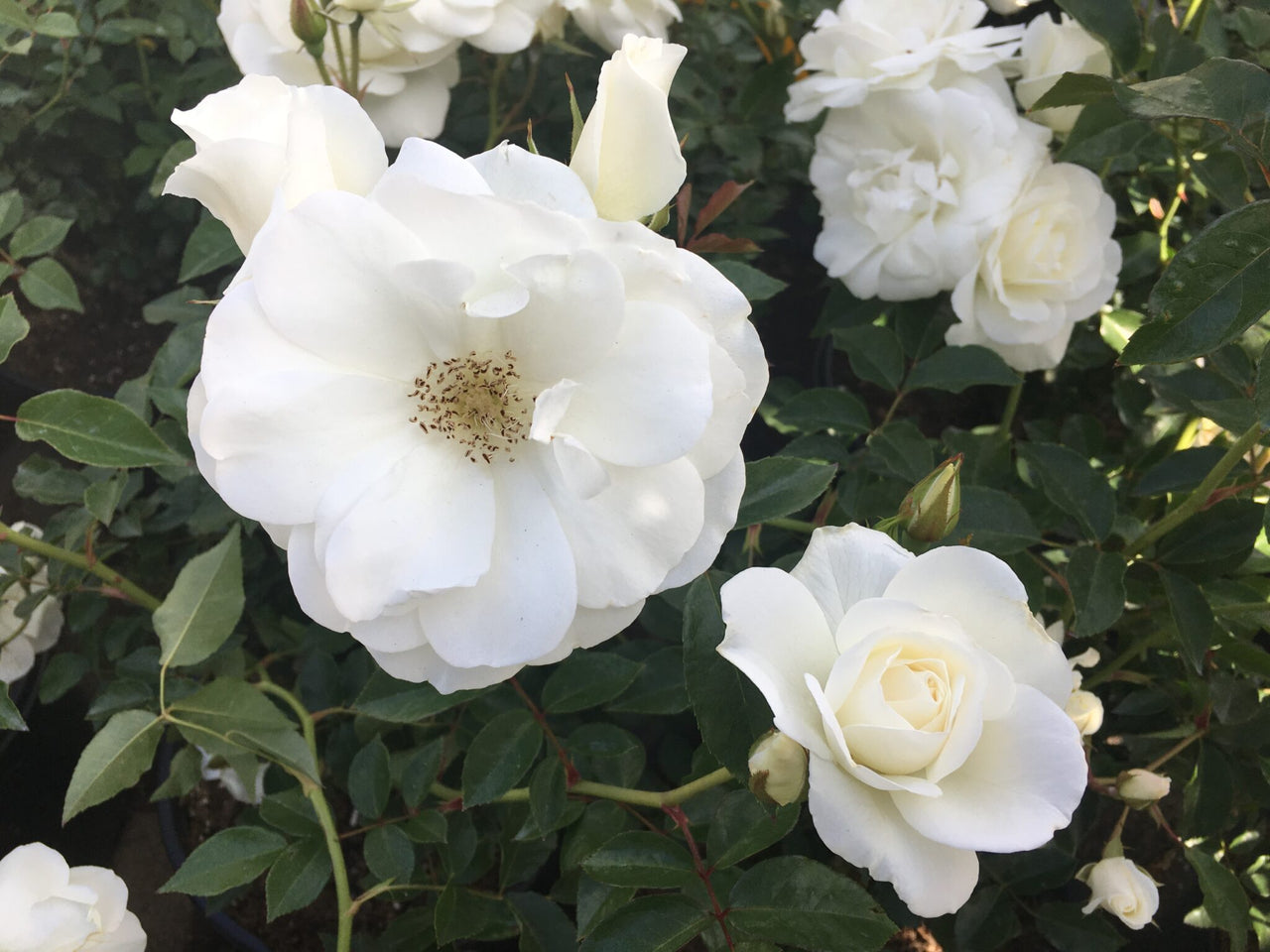
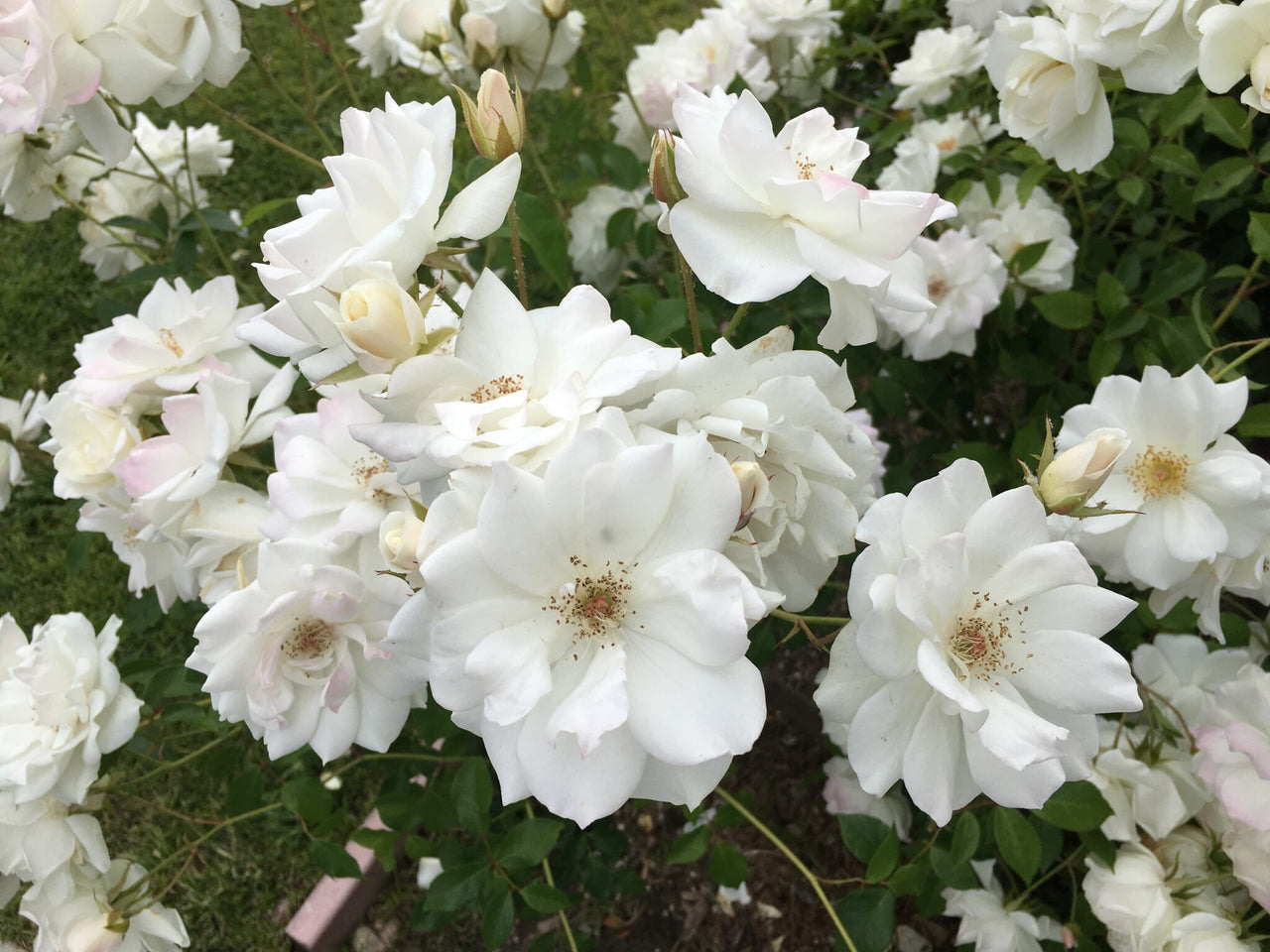
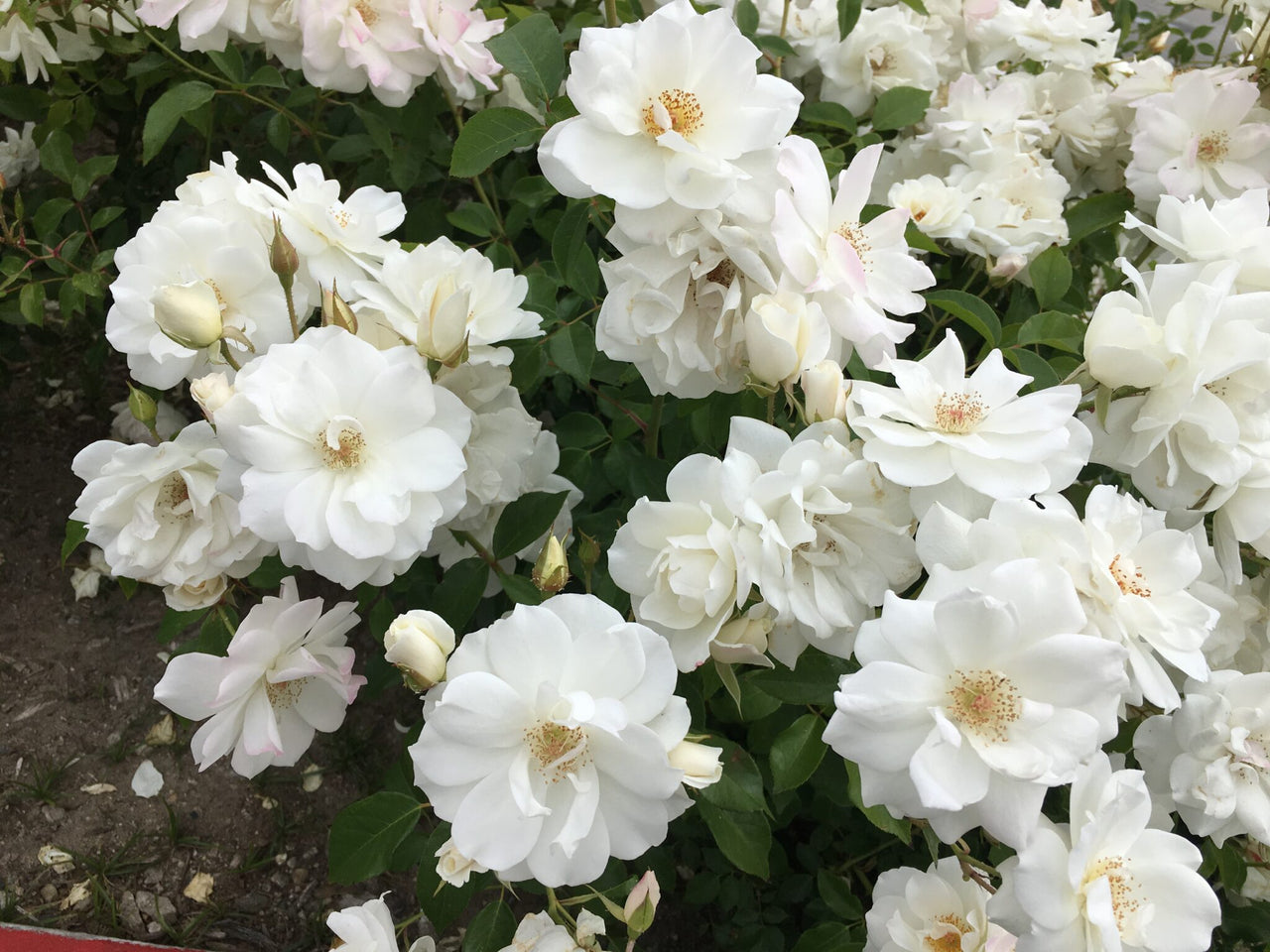
The Iceberg Rose is the most popular white flower rose shrub planted throughout California. Although it is not fragrant, it is desired because they produce very abundant amounts of beautiful large white flower blossoms that sometimes have a pink tint.

Iceberg roses are medium sized, rounded shrubs with dark green leaves and thorns. They are vigorous and very resistant to disease.

It is also considered as a semi deciduous shrub that becomes partially dormant in the Winter, but flowers multiples times per year. Spring time brings the first blossoms of the year that carries into the Summer. This is followed by a second flush of flower blossoms in the late Summer that hold until the Fall.

COMPATIBILITY: Compatible with your zone Not compatible with your zone ()
-28 in stock
We're sorry, but this item is unavailable to ship to your area.

Plant Type: Deciduous

USDA Hardiness Zones: 4-9

Get notified

Plant Description

Iceberg Rose Shrub | White Rose Plant Information and Care

Plant the Iceberg Rose in the full sun or even partial shade, as icebergs are one of the few roses that will thrive and produce flower blossoms under both light and indirect exposure. In a planting area, Iceberg Roses are planted as a medium-sized shrub. They can be placed behind a foreground plant like boxwoods, begonias, or annuals. A large shrub can be planted behind them as a background, such as Ligustrum.

Irrigation and Fertilization

Water regularly, about 1–3 times a week, with an automatic sprinkler system for best results. Irrigate deeply and adjust the frequency depending on the weather. Fertilize with a balanced fertilizer, such as one with a 1-1-1 NPK ratio, in the spring through the summer. Do not fertilize in the fall.

Pest Management of Iceberg Roses

Although a very vigorous and resistant species, the use of an all-in-one rose feed, insecticide, fungicide, and miticide products helps protect against common pests and diseases.

Powdery mildew is a fungus that commonly affects the Iceberg Rose during the late winter and early spring. Proper irrigation management, pruning to reduce density and allow for more air flow if needed, and applying organic fungicides such as Bordeaux, Liqui-cop, and Neem oil.