

Get notified
Granny Smith Apple Tree
The Granny Smith apple originated in Australia, discovered by Maria Ann Smith in the mid-19th century. The apple gained popularity due to its unique flavor and versatility in various culinary creations. Over time, it has become one of the most widely recognized apple varieties globally. The Granny Smith Apple Tree continues to captivate horticulturists and apple enthusiasts with its exceptional characteristics and historical significance.
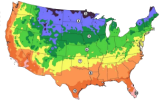
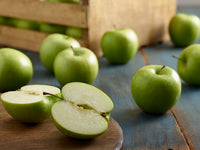
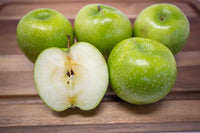
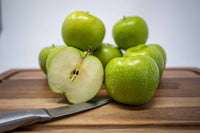
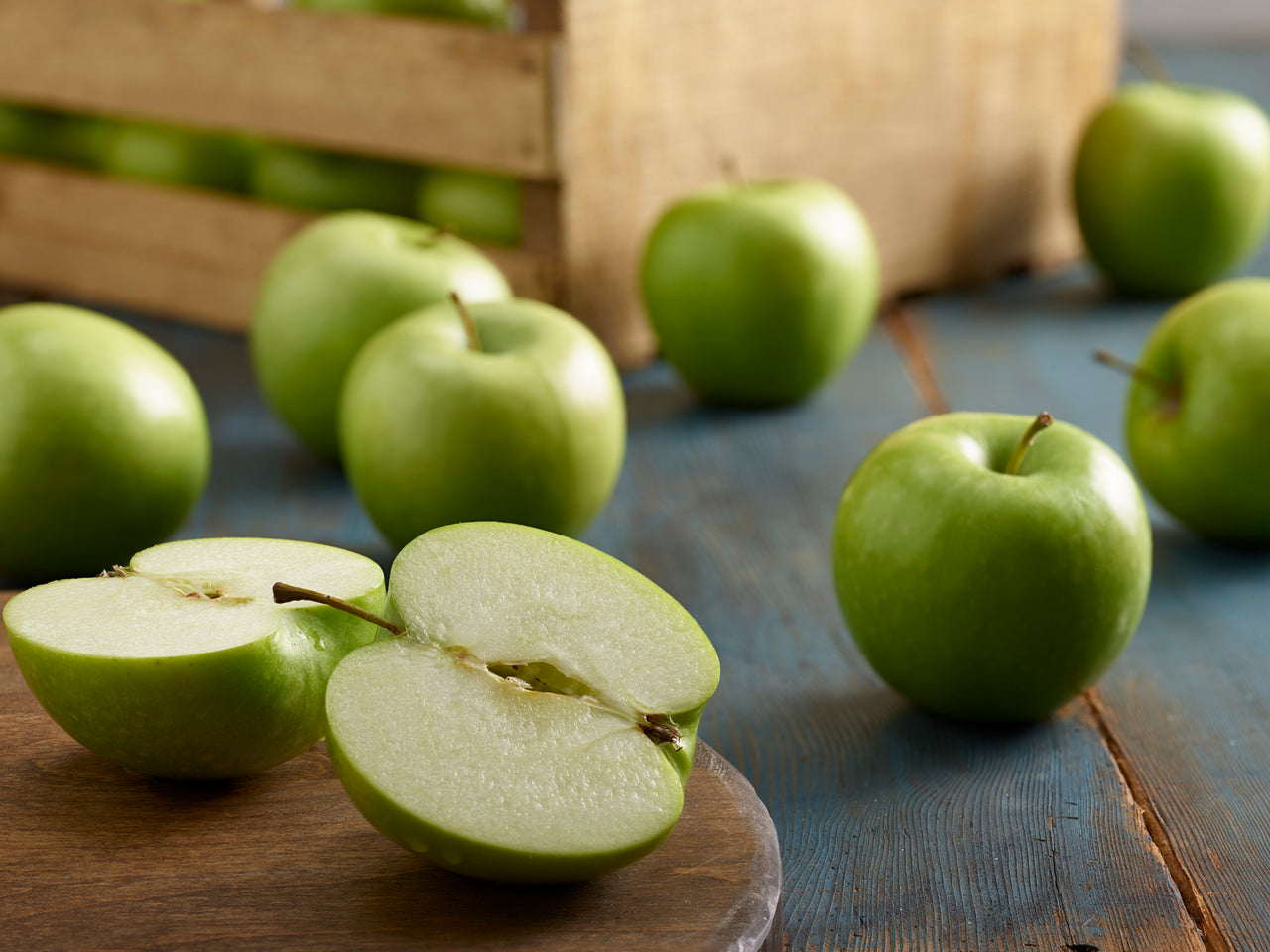
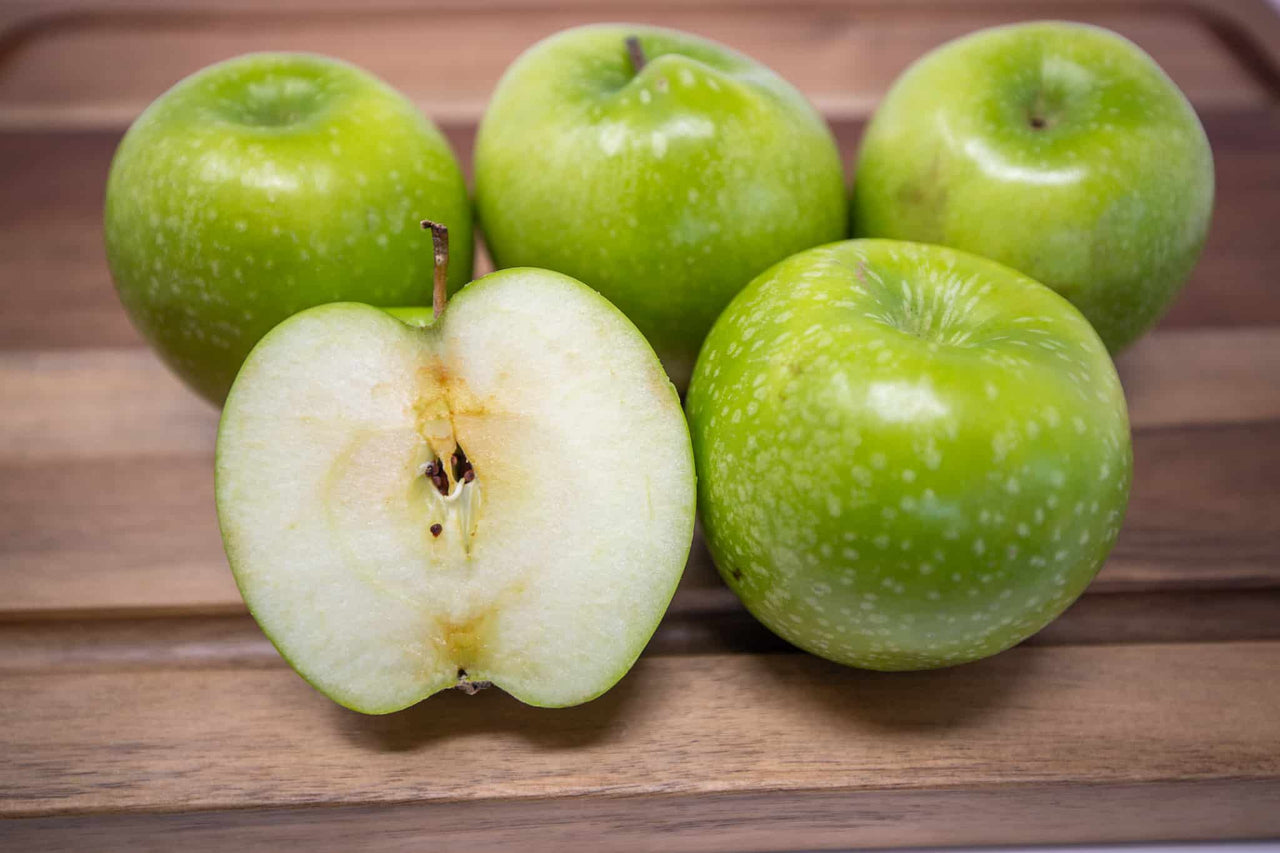
This variety is known for its large size, late ripening, and distinct green color. In addition, they offer a crisp texture, tart flavor, and exceptional storage capabilities. This apple tree thrives in hot climates and requires a long summer. Generally, this tree blooms for an extended period, making it a good pollenizer for other apple varieties. Granny Smith apples are good for juicing, salads, cooking as well as baking. They lose their leaves in the winter and have white flower blossoms in the spring. The fruit ripens from late summer to fall. They also grow 10-15 ft tall. These trees are self-fruitful and require approximately 400 hours of chilling. It flourishes in USDA Zones 6-10, accommodating a wide range of climates.
Why Buy a Granny Smith Apple Tree?
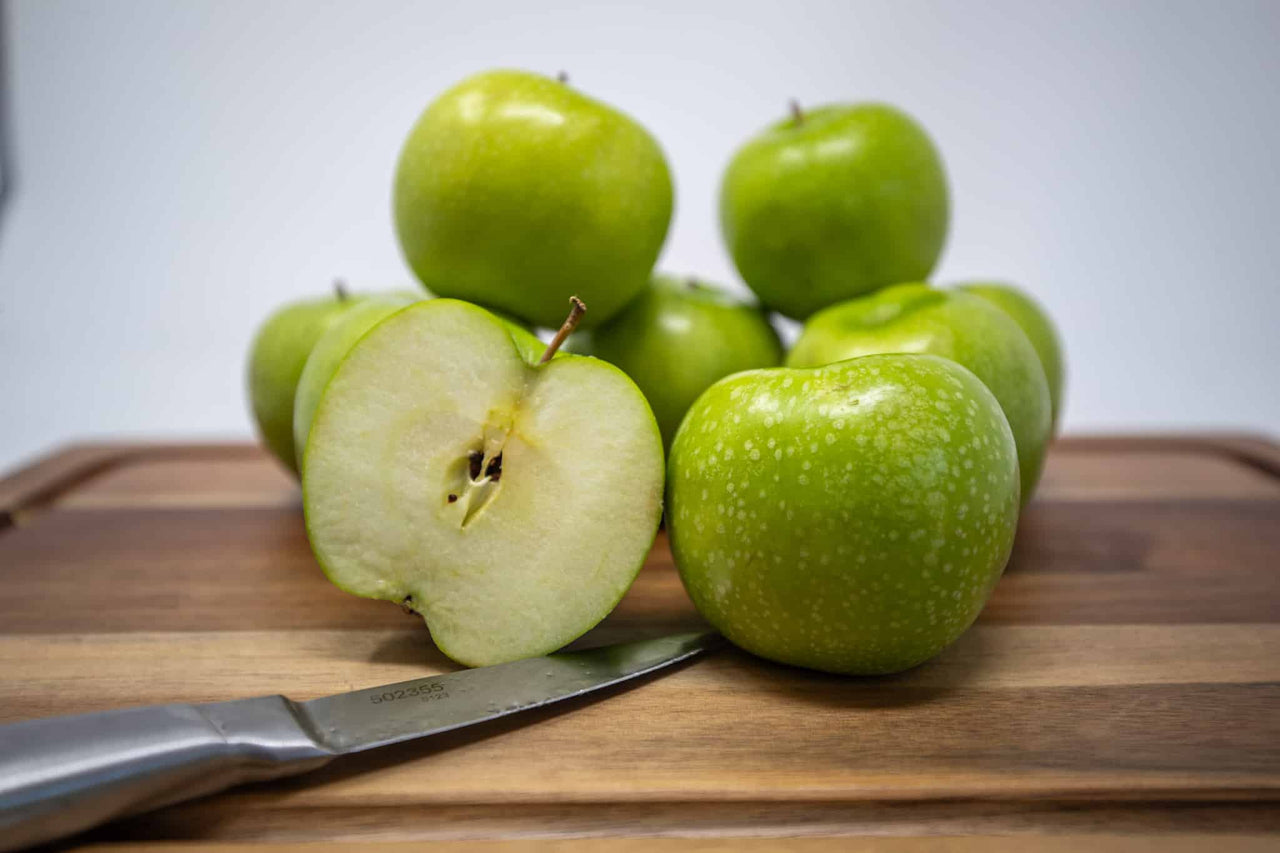
Buy and plant Granny Smith Apple Trees in your yard and produce your own tart green apples, known for their distinct characteristics. They feature a large size and a vibrant green color that stands out among other varieties. When bitten into, these apples offer a satisfying crispness and a tart flavor that adds a delightful tang to various dishes. Furthermore, Granny Smith apples are excellent keepers, making them ideal for storage and extended use.
Eventually, the Granny Smith Apple Tree showcases beautiful flowers that adorn its branches, attracting pollinators and enhancing its visual appeal. Its leaves are lush and green, providing a vibrant canopy of shade. The roots of the Granny Smith Apple Tree establish a strong foundation, ensuring stability and optimal nutrient absorption. The tree’s bark features a textured surface, adding visual interest to the overall appearance.
Uses
Granny Smith apples have versatile uses in both culinary and snacking applications. They are well-known for their contribution to pies, tarts, and other baked goods, where their tartness adds a delightful contrast. Additionally, their crisp texture makes them a popular choice for fresh consumption and salads. Granny Smith apples also excel in making applesauce and other preserves.
Step One:
Dig a hole twice as wide and as deep as the root ball
Step Two:
Mix half of the soil that is dug out with the same amount of planting mix
Step Three:
Place the tree in the center of the hole with the top of the root ball level with the ground
Step Four:
Backfill with the amended soil
Step Five:
Use the rest of the dug up soil to create a berm around the tree
Step Six:
Spread planting mix over there soil inside the berm
Step Seven:
Top dress with fertilizer
Step Eight:
Flood the well with water to get it saturated