

Your Zipcode:
- - - - -
LOCAL
NON LOCAL
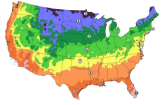
Your Hardiness Zone:
- -


Get notified
Plant Description
Planting
The Australian Finger Lime Tree (Citrus australasica), also commonly known as Citrus Caviar, is a unique, thorny evergreen shrub or small tree native to the subtropical rainforests of eastern Australia. It is highly prized by chefs and gardeners alike for its elongated, finger-shaped fruits that are filled with firm, spherical juice vesicles. When sliced open, these "pearls" pop in your mouth, releasing a tart, zesty explosion of lemon, lime, and subtle herbal flavors.
Quick Specifications
| Feature | Details |
|---|---|
| Botanical Name | Citrus australasica (formerly Microcitrus australasica) |
| Growth Habit | Dense, bush-like, or multi-branched with sharp thorns |
| Mature Height | 10–15 feet in the ground; 3–8 feet when grown in containers |
| Hardiness | Best for USDA Zones 8–11 outdoors (Hardy to ~30°F–35°F) |
| Sunlight | Full sun to partial/dappled shade (Requires 6–8 hours daily) |
| Pollination | Self-fertile (Self-pollinating) |
| Harvest Window | Varied, but primarily yields in late fall, winter, or early spring |
Key Attributes & Growth Behavior
- The Unique Fruit: The fruit grows between 2 to 5 inches long. The tough outer skin can range from green and dark purple to near black, while the inside pearls can be clear, light green, pink, or red depending on the variety. Unlike standard limes, the pearls hold their shape and don't spray juice, making them a premium garnish for seafood, sushi, salads, and cocktails.
- Growth and Pruning: It naturally exhibits a slightly erratic, shrubby growth habit. New foliage frequently emerges as a vibrant burgundy before maturing into tiny, aromatic green leaves. Because it is a dense understory plant, light structural pruning in the early spring helps keep its shape manageable and encourages better fruit yields. Thick gloves are highly recommended when working near its spines.
-
Flowers: The tree blossoms primarily with small, delicate white or light pink flowers that grow individually along the stems rather than in large dense clusters.
Core Care & Growing Tips
- Soil & Moisture: The tree requires coarse, nutrient-rich, well-draining soil with a slightly acidic to neutral pH (5.5–6.5). While it appreciates consistent moisture, it is highly susceptible to root rot if left in standing water or heavy clay. Water deeply but allow the top few inches of soil to dry out between waterings.
- Feeding: Feed your tree consistently during the active spring and summer growing months. An organic citrus-specific fertilizer—such as E.B. Stone Organics Citrus & Fruit Tree Food—provides the balanced macro and micronutrients needed for strong root development and prolific fruit production.
- Wind Protection: Because the branches carry sharp spines, high winds can cause the thorns to puncture and scar the developing fruit. Plant the tree in a location sheltered from intense prevailing drafts.
-
Container Optimization: If you live outside of its native warm zones (Zones 4–7), the finger lime transitions perfectly into large 5 to 15-gallon pots. This allows you to easily move the plant onto a patio for summer sun and bring it indoors to a sunny window or greenhouse once nighttime temperatures threaten to drop below 39°F–40°F.
Have any questions? Let us know!
- Are you planning to grow this tree in the ground or in a container pot?
- What is your geographical region or USDA hardiness zone?
- Are you looking for to pick up at our nursery or order for delivery of live plants to your area?
Step One:
Soil and Planting: Plant in soil that drains well. Dig a hole that is as deep as the tree’s roots and at least twice as wide.
Step Two:
Place the tree in the hole and backfill around the plant’s roots with a mixture of the native soil and high-quality planting mix that has washed sand and organic fertilizer.
Step Three:
Create a basin around the roots drip zone so that water collects. Water deeply until the roots and nearby soil is saturated and reaches field capacity.