
Your Zipcode: - - - - - LOCAL NON LOCAL
Your Hardiness Zone: - -

Why do we ask for location ?

It helps us recommend trees and plants that are well-suited to the local climate, based on your Growing Zone.

Invalid Zip code.
Growing Zone: 7

Changing Shipping Zip Code may result in removal of items already in your cart

Location?

We couldn’t detect your ZIP. Please enter your 5-digit ZIP.
Please Confirm

Washington Navel Orange Tree

$190.00

Sizes:

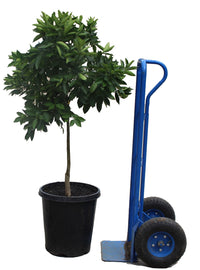
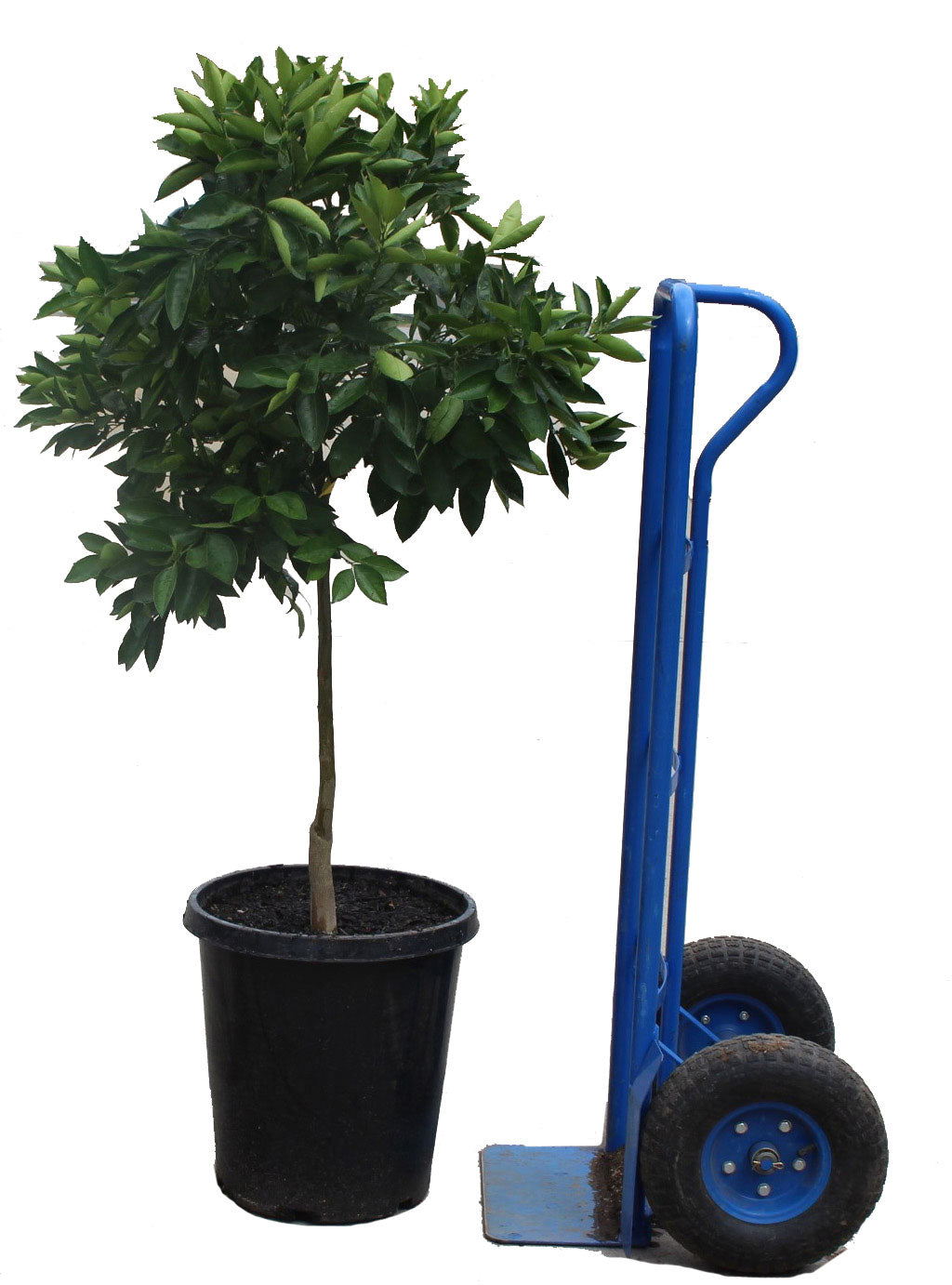
15 gal semi-dwarf - ~2-3ft tall & ~1" trunk ($190.00) 15 gal Standard - ~4 Ft tall & 1" trunk ($220.00) 25 gal / 24" Box Standard - ~4ft tall & ~2" trunk ($590.00) 5 gal - 1 Ft tall ($70.00)

Washington Navel Orange Tree

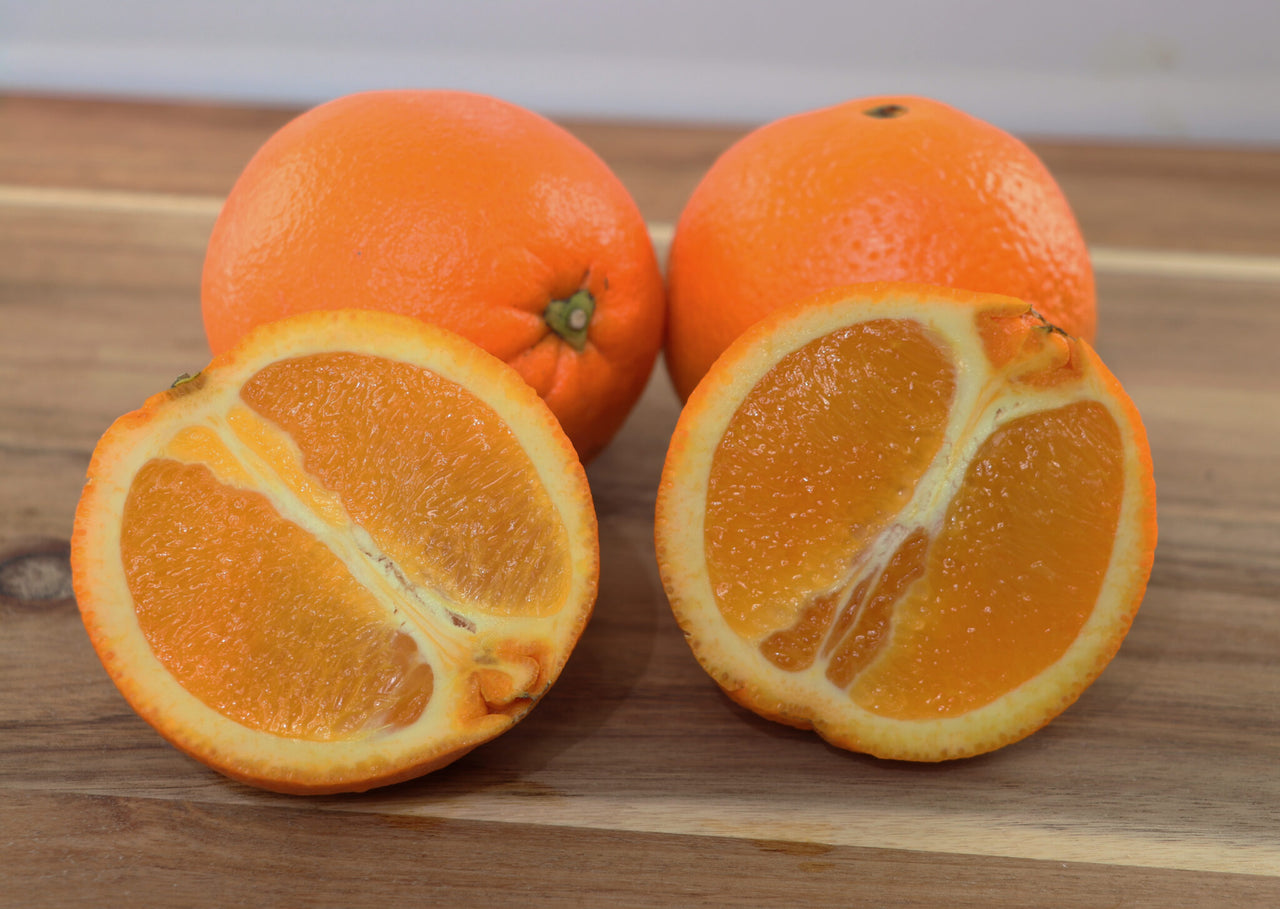
The most popular sweet, seedless, easy-to-peel eating orange. It's named for the small, navel-like formation at its blossom end. Grow to mature height of 10 - 20 Ft tall in home orchards; 6-8 ft in containers.

COMPATIBILITY: Compatible with your zone Not compatible with your zone ()

Sizes:

15 gal semi-dwarf - ~2-3ft tall & ~1" trunk ($190.00) 15 gal Standard - ~4 Ft tall & 1" trunk ($220.00) 25 gal / 24" Box Standard - ~4ft tall & ~2" trunk ($590.00) 5 gal - 1 Ft tall ($70.00)
7 in stock
We're sorry, but this item is unavailable to ship to your area.

Plant Type: Evergreen

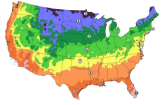
USDA Hardiness Zones: 8-11

Get notified

Plant Description Planting Care Guide

USDA/CDFA Certified Washington Navel Orange Trees For Sale

The Washington Navel Orange (Citrus × sinensis 'Washington') is an iconic sweet orange cultivar with  seedless, easy-to-peel fruit and rich winter flavor. Originating as a spontaneous mutation in Bahia, Brazil, in the early 19th century, it was introduced to Riverside, California, in 1870 and became the backbone of Southern California's citrus industry. 

Fruit Characteristics & Flavor

Signature "Navel": The fruit gets its name from a secondary, twin embryonic orange growth at the blossom end that resembles a human navel. 
Seedless & Easy to Peel: Virtually seedless with a medium-thick, pebbled deep-orange rind that separates cleanly from the segments, making it ideal for eating out of hand.
Taste & Texture: Firm, translucent, juicy flesh with a sweet, balanced citrus flavor. Cool nights and warm days—like those in Southern California—help develop its deep rind color and high sugar content. 
Harvest Window: Typically ripens in late fall through winter and early spring, maturing earlier than many other orange varieties. 

Tree Growth & Care

Size & Habit: In-ground trees typically grow to a medium size of around 8 to 15 feet tall with a rounded, well-branched, slightly drooping canopy. Rootstock and container cultivation keep smaller trees compact—often 3 to 5 feet on dwarfing rootstocks or in pots—while still producing fruit. Container-grown trees remain smaller yet still flower and set fruit well. 
Foliage & Blossoms: Features glossy, dark green, oval evergreen leaves and fragrant white star-shaped blossoms in spring that attract bees and pollinators.
Sunlight & Soil: Thrives in full sun and well-drained soil or coarse, acidic potting mix. Potted trees do best with plenty of sun from spring through fall and bright light in winter. 
Climate & Water: Grown outdoors in USDA Zones 8–11 with regular watering; protect young or potted trees when temperatures dip below freezing. Sensitive to extreme heat and dry air during bloom and fruit set. 

In the Kitchen: Best enjoyed fresh as a snack, in salads, or squeezed for fresh juice—though its firm segments and rich juice also lend themselves well to cooking and sauces. 
In the Yard: Works well as a focal specimen tree, edible patio container, or backyard orchard staple, combining evergreen structure, citrus fragrance, and winter harvests. 


Step One:
Soil and Planting: Plant in soil that drains well. Dig a hole that is as deep as the tree’s roots and at least twice as wide.

Step Two:
Place the tree in the hole and backfill around the plant’s roots with a mixture of the native soil and high-quality planting mix that has washed sand and organic fertilizer.

Step Three:
Create a basin around the roots drip zone so that water collects. Water deeply until the roots and nearby soil is saturated and reaches field capacity.

Paradise Nursery Orange Tree Care Guide


Water orange trees about 2 - 3 times per week depending on the soil, season, conditions, and plant health. Reduce irrigation frequency in the Winter and increase in the Summer.

Fertilize orange trees with citrus food seasonally. However, the most important time to fertilize your orange trees is the Spring and Summer. 

Pruning orange trees in the Winter when the weather is cooler. Thin your orange trees in the Spring and Summer.

Orange trees grow strong and can grow large. Please note Paradise Nursery's is available to provide home orchard services for our customers in Los Angeles County.

Check out our blog