

Get notified
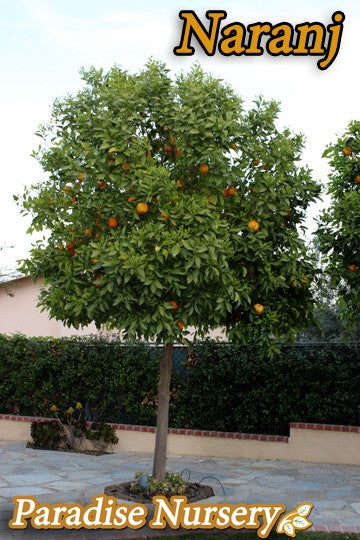
Citrus × aurantium, commonly known as Sour orange or Seville orange, is a hybrid citrus fruit resulting from the cross between a pomelo (Citrus maxima) and a mandarin (Citrus reticulata). This fruit is primarily known for its sour, bitter flavor and is widely used in cooking, traditional medicine, and essential oil production. Unlike sweet oranges, bitter oranges have a more astringent and aromatic quality.
Key Characteristics
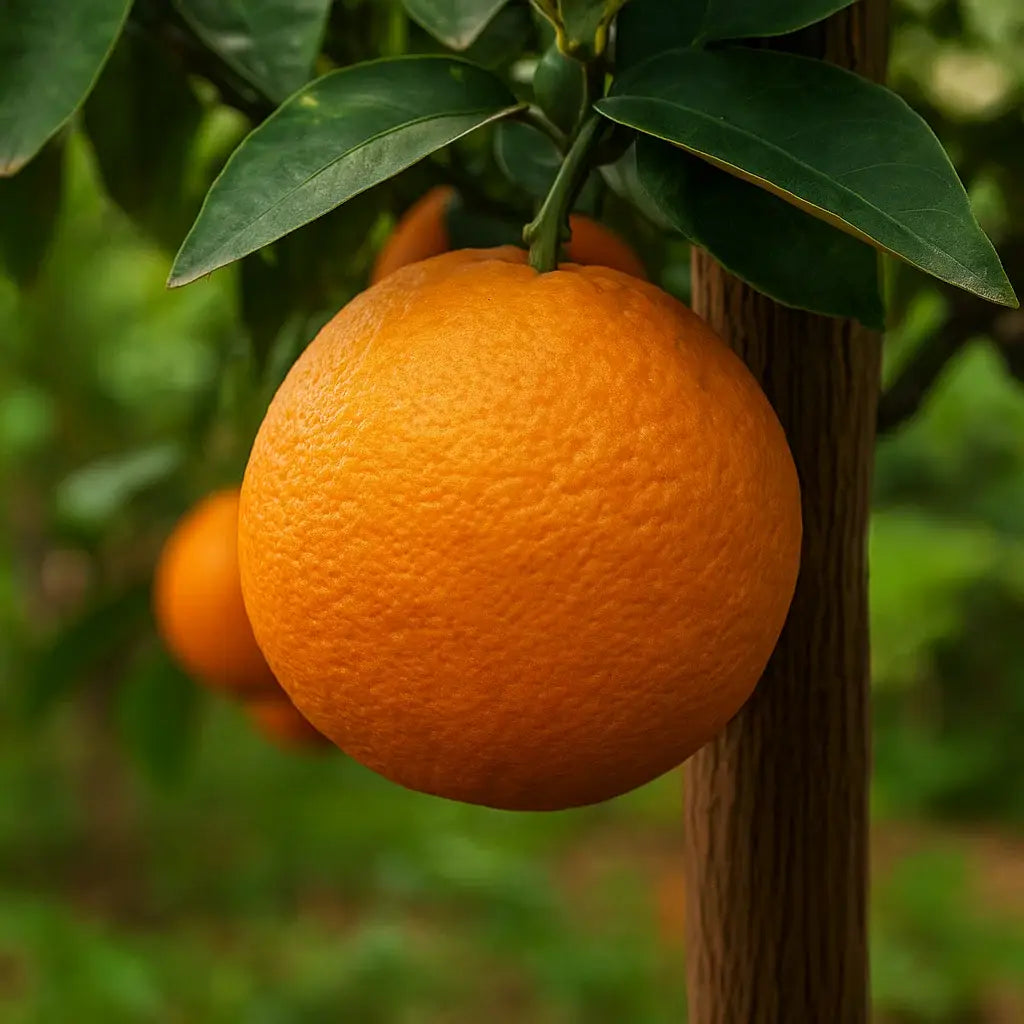
- Fruit Appearance: The fruit has a thick, rough, and orange-colored rind. The flesh is sour and bitter with a relatively high acidity.
- Tree Size: Citrus × aurantium trees can grow to around 20-30 feet tall and are typically evergreen. They have dark green, glossy leaves and fragrant white flowers.
- Flowers: The blossoms are highly fragrant and are often used to produce orange blossom water, a common ingredient in Middle Eastern and Mediterranean cuisine.
Uses of Citrus × aurantium
- Marmalade: The bitter, aromatic flavor of Seville oranges makes them the primary fruit used in making traditional marmalade.
- Culinary Uses: Bitter orange is used to flavor sauces, liqueurs (such as Curaçao and Triple Sec), and as a spice in Middle Eastern dishes.
- Medicinal Uses: Bitter orange is used in traditional medicine to aid digestion, treat colds, and as a weight-loss supplement (though care should be taken due to potential side effects from the compound synephrine).
- Perfumes and Essential Oils: The rind of the fruit is used to extract essential oils, which are often used in perfumes, cosmetics, and aromatherapy. The oil derived from the flowers is known as neroli oil and the oil from the leaves is called petitgrain.
Growing Conditions
- Sunlight: Like other citrus trees, Citrus × aurantium requires full sun for optimal growth and fruit production.
- Soil: It prefers well-draining, sandy or loamy soils with a slightly acidic to neutral pH (6.0-7.0).
- Watering: Water the tree deeply and regularly during the growing season, but allow the soil to dry out between waterings to avoid root rot.
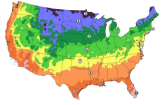
- Temperature: Bitter orange trees thrive in USDA hardiness zones 8-11. They tolerate light frost but should be protected from extended cold periods.
Harvesting
Bitter oranges are typically harvested in winter and early spring. The fruit is ripe when the skin turns a bright orange, but they remain firm and slightly hard.
Historical Significance
Citrus × aurantium has been cultivated for centuries and is believed to have originated in Southeast Asia. It was brought to Europe and the Mediterranean region via trade routes and has since become a key component in European and Middle Eastern cuisine. Seville, Spain, is particularly famous for its cultivation of bitter oranges, which are used to make the renowned Seville orange marmalade.
Step One:
Soil and Planting: Plant in soil that drains well. Dig a hole that is as deep as the tree’s roots and at least twice as wide.
Step Two:
Place the tree in the hole and backfill around the plant’s roots with a mixture of the native soil and high-quality planting mix that has washed sand and organic fertilizer.
Step Three:
Create a basin around the roots drip zone so that water collects. Water deeply until the roots and nearby soil is saturated and reaches field capacity.
Paradise Nursery Orange Tree Care Guide
Water orange trees about 2 - 3 times per week depending on the soil, season, conditions, and plant health. Reduce irrigation frequency in the Winter and increase in the Summer.
Fertilize orange trees with citrus food seasonally. However, the most important time to fertilize your orange trees is the Spring and Summer.
Pruning orange trees in the Winter when the weather is cooler. Thin your orange trees in the Spring and Summer.
Orange trees grow strong and can grow large. Please note Paradise Nursery's is available to provide home orchard services for our customers in Los Angeles County.


