



Get notified
The California Honey Mandarin tree is available in Standard, Semi-Dwarf, and Dwarf forms. The Semi-Dwarf and Standard trees grow with a single trunk that branches out into a canopy, while Dwarf varieties are topped low, resulting in a bush-like shape, which makes them great for growing in pots. Though citrus trees can grow over 20 feet tall, most gardeners prune them to maintain a height of 9–15 feet, making them an excellent choice for home gardens. For optimal growth, plant trees at least 9 feet apart, and provide more space if you prefer larger growth.
How to Plant, Water, and Fertilize a Mandarin Tree
Planting
- Sunlight: Plant your Honey Mandarin tree in full sun for the best growth and fruit production.
- Soil Requirements: Amend the soil with high-quality planting mix and fertilizer, ensuring the soil drains well.
Watering
- Spring to Summer: Water newly planted trees twice per week during the warmer months.
- Fall to Winter: Reduce watering to once per week in cooler weather. In hotter climates or sandy soils, more frequent watering may be needed.
Fertilization
- Spring and Summer Fertilization: Use a citrus fertilizer with a 2-1-1 NPK ratio during spring through summer to promote growth. Organic options like blood meal and manure are rich sources of nitrogen.
- Winter Fertilization: Apply fertilizers with higher phosphorus and potassium, such as bone meal or humus, in winter to encourage flowers and fruit development.
Pest and Problem Management
The Honey Mandarin tree is relatively pest-free and not highly attractive to birds or animals like squirrels, making it an easy-care option for home gardeners.
Ideal Growing Regions
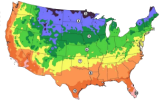
This tree thrives in Southern California counties such as Los Angeles, Ventura, Santa Barbara, Riverside, Orange, and San Diego.
- Sunlight Exposure: Citrus trees fuel fruit sweetness and sugar production through direct solar energy. Plant your tree in a location that receives a minimum of 6 to 8 hours of full, direct sunlight daily.
- Proper Spacing: Space trees roughly 10 to 15 feet apart for high-density home orchards. While standard trees can exceed 20 feet at maturity, they can easily be pruned to a manageable height of 9 to 15 feet for easier harvesting.
- Soil and Hole Preparation: Choose a planting site with excellent drainage. Dig a hole exactly as deep as the current root system and at least twice as wide.
- Backfilling and Nutrition: Position the tree in the hole and backfill the surrounding space using a blended mixture of your native soil and a high-quality planting mix fortified with washed sand and organic fertilizer.
- Establish a Watering Basin: Sculpt a wide soil basin around the outer root drip zone to catch and hold water. Water newly planted trees deeply 1 to 2 times a week during the active spring and summer growing seasons, ensuring the moisture thoroughly saturates the soil to full field capacity.