


Australian Finger Lime Tree
from $190.00
The Australian Finger Lime Tree (Citrus australasica), also commonly known as Citrus Caviar, is a unique, thorny evergreen shrub or small tree native to the subtropical rainforests of eastern Australia. It is highly prized by chefs and gardeners alike for its elongated, finger-shaped fruits that are filled with firm, spherical juice vesicles. When sliced open, these "pearls" pop in your mouth, releasing a tart, zesty explosion of lemon, lime, and subtle herbal flavors.
Quick Specifications
Feature
Details
Botanical Name
Citrus australasica (formerly Microcitrus australasica)
Growth Habit
Dense, bush-like, or multi-branched with sharp thorns
Mature Height
10–15 feet in the ground; 3–8 feet when grown in containers
Hardiness
Best for USDA Zones 8–11 outdoors (Hardy to ~30°F–35°F)
Sunlight
Full sun to partial/dappled shade (Requires 6–8 hours daily)
Pollination
Self-fertile (Self-pollinating)
Harvest Window
Varied, but primarily yields in late fall, winter, or early spring
Key Attributes & Growth Behavior
The Unique Fruit: The fruit grows between 2 to 5 inches long. The tough outer skin can range from green and dark purple to near black, while the inside pearls can be clear, light green, pink, or red depending on the variety. Unlike standard limes, the pearls hold their shape and don't spray juice, making them a premium garnish for seafood, sushi, salads, and cocktails.
Growth and Pruning: It naturally exhibits a slightly erratic, shrubby growth habit. New foliage frequently emerges as a vibrant burgundy before maturing into tiny, aromatic green leaves. Because it is a dense understory plant, light structural pruning in the early spring helps keep its shape manageable and encourages better fruit yields. Thick gloves are highly recommended when working near its spines.
Flowers: The tree blossoms primarily with small, delicate white or light pink flowers that grow individually along the stems rather than in large dense clusters. Core Care & Growing Tips
Soil & Moisture: The tree requires coarse, nutrient-rich, well-draining soil with a slightly acidic to neutral pH (5.5–6.5). While it appreciates consistent moisture, it is highly susceptible to root rot if left in standing water or heavy clay. Water deeply but allow the top few inches of soil to dry out between waterings.
Feeding: Feed your tree consistently during the active spring and summer growing months. An organic citrus-specific fertilizer—such as E.B. Stone Organics Citrus & Fruit Tree Food—provides the balanced macro and micronutrients needed for strong root development and prolific fruit production.
Wind Protection: Because the branches carry sharp spines, high winds can cause the thorns to puncture and scar the developing fruit. Plant the tree in a location sheltered from intense prevailing drafts.
Container Optimization: If you live outside of its native warm zones (Zones 4–7), the finger lime transitions perfectly into large 5 to 15-gallon pots. This allows you to easily move the plant onto a patio for summer sun and bring it indoors to a sunny window or greenhouse once nighttime temperatures threaten to drop below 39°F–40°F. Have any questions? Let us know!
Are you planning to grow this tree in the ground or in a container pot?
What is your geographical region or USDA hardiness zone?
Are you looking for to pick up at our nursery or order for delivery of live plants to your area?

Kaffir Lime Tree - Citrus Hystrix
from $190.00
Kaffir Lime Information and Care
Kaffir Limes (Citrus hystrix), also known as Makrut Limes, are unique citrus fruits native to Southeast Asia. They are primarily grown for their highly aromatic leaves and distinctive bumpy-skinned fruit. Kaffir limes are a staple in Thai, Indonesian, and other Southeast Asian cuisines, where both the leaves and the zest are used to impart a strong, tangy, and fragrant citrus flavor to dishes.
Fruit and Leaf Characteristics
Appearance: Kaffir limes are small, usually about the size of a golf ball, with a rough, bumpy green skin. The fruit turns yellow as it ripens but is most commonly harvested when green.
Flavor and Aroma: The zest of the Kaffir lime is intensely aromatic and offers a tart, slightly bitter flavor, making it excellent for flavoring curries, soups, and sauces. The leaves, which are double-lobed and glossy, are even more popular than the fruit for culinary uses, contributing a bright, lemony flavor without adding acidity.
Culinary Uses: Kaffir lime leaves are an essential ingredient in dishes such as Thai curries, soups like Tom Yum, and Indonesian sambals. The fruit’s zest is often used in curry pastes, marinades, and sauces.
Growing Conditions
Light Requirements: Kaffir lime trees thrive in full sun and should be planted in an area that receives at least 6-8 hours of direct sunlight daily.
Soil: They prefer well-draining soil with a slightly acidic to neutral pH (6.0-7.0). Amend the soil with organic matter if it is too heavy or clay-like to improve drainage.
Watering: Kaffir lime trees need regular watering, especially during the growing season. Water the tree deeply about once a week, allowing the soil to dry out slightly between watering. Increase watering in particularly hot or dry climates, but avoid waterlogging, as this can lead to root rot.
Care Instructions
Fertilization: Apply a balanced fertilizer designed for citrus trees in early spring. A fertilizer with an NPK ratio of 10-10-10 or similar will support healthy growth and fruit production. Reapply every 6-8 weeks during the growing season.
Pruning: Prune Kaffir lime trees in late winter or early spring to maintain their size and shape. Regularly remove dead or damaged branches and thin out the canopy to improve air circulation and sunlight penetration.
Cold Sensitivity: Kaffir limes are sensitive to cold and frost. They grow best in USDA zones 9-11. In cooler climates, consider growing them in containers so they can be moved indoors or protected during colder months. If growing outdoors in cooler regions, provide frost protection or bring the tree inside when temperatures drop below 40°F (4°C).
Pests and Diseases
Kaffir lime trees can be susceptible to common citrus pests such as aphids, scale, and spider mites. Regular inspection and treatment with organic insecticidal soap or horticultural oil can help control infestations. Fungal diseases like citrus canker or sooty mold may also occur, especially in humid conditions. Prune regularly to increase air circulation and avoid overwatering to minimize these risks.
Harvesting and Culinary Uses
Harvesting: Kaffir limes are typically ready to harvest in late summer or early fall. The fruit can be picked when still green, though some prefer to wait until they begin to turn yellow. The leaves can be harvested year-round, and they retain their fragrance and flavor well when dried or frozen.
Culinary Uses: The leaves are used fresh or dried in Thai, Indonesian, and Laotian cuisines, while the zest of the fruit is often grated into curry pastes and marinades. Kaffir lime juice, while very tart and bitter, can also be used in cocktails or as a natural cleaning agent.
Persian Bearss Lime Tree
from $70.00
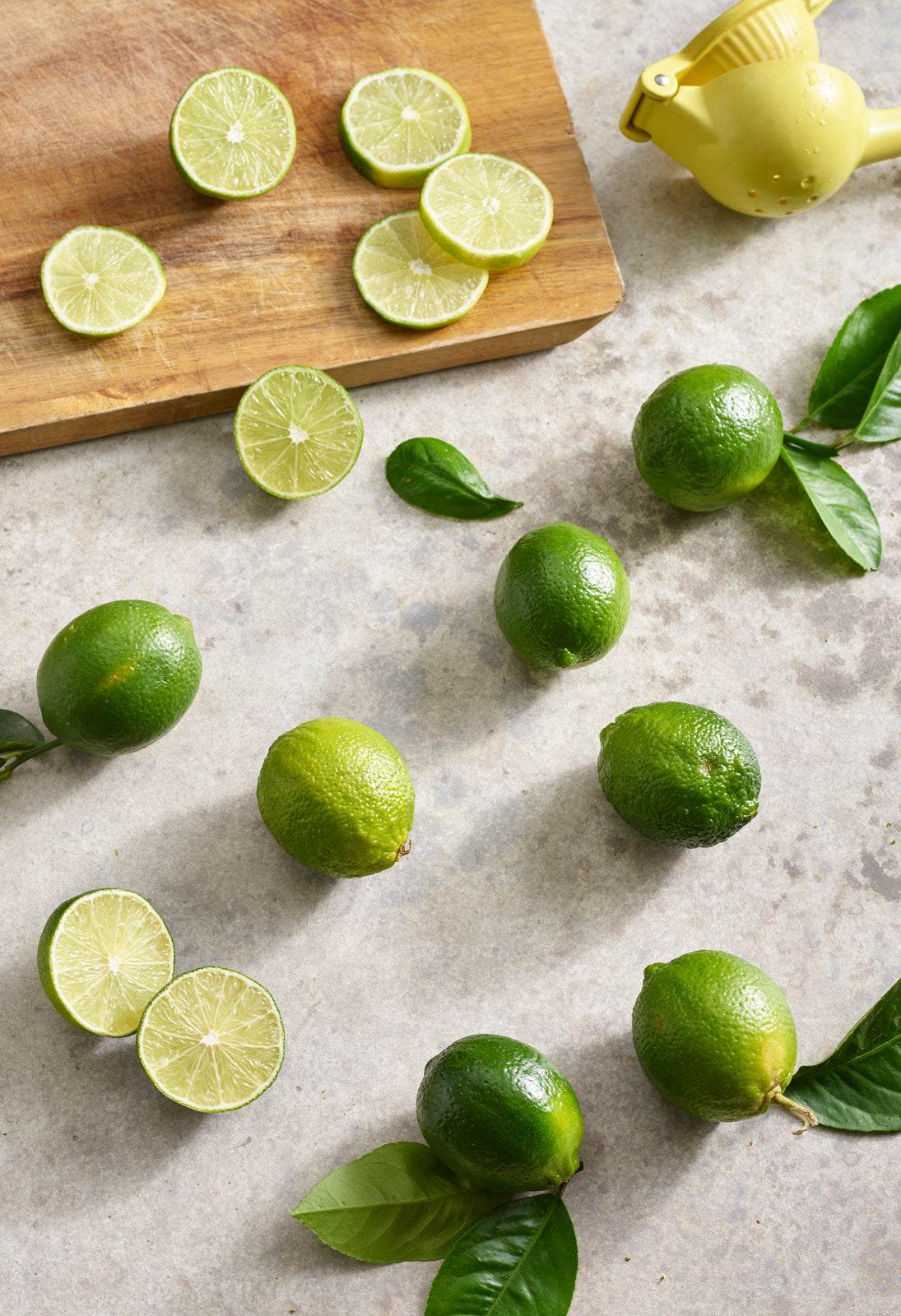
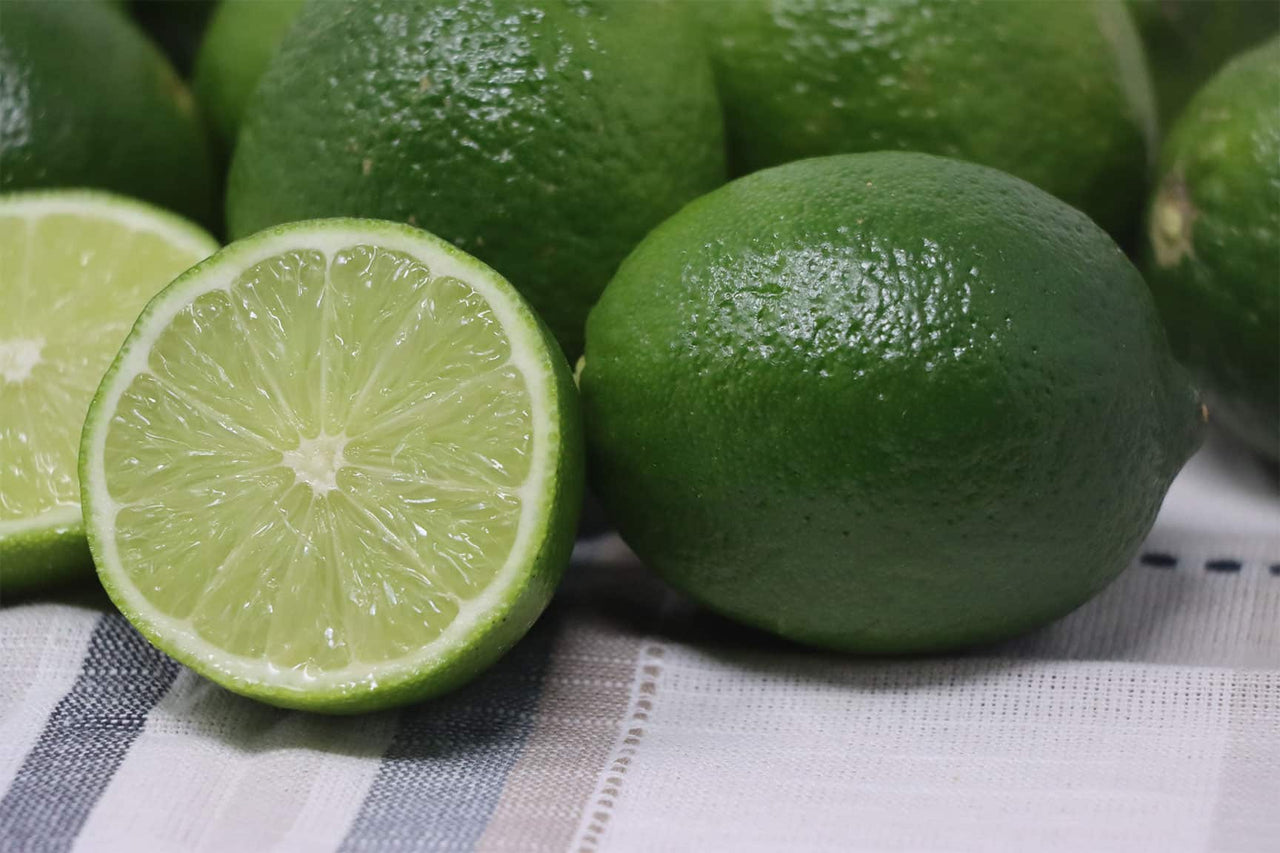
Bearss lime trees are evergreen, fast-growing citrus trees that originated around 1895. The variety was likely a seedling discovered by nurseryman J.T. Bearss. These trees produce Persian limes, which are larger than Mexican limes, typically around 2.5 inches in diameter. One of the key benefits of Bearss lime trees is their ability to produce fruit all year round.
Growth and Size
Tree Height: Standard Bearss lime trees grow to about 10-20 feet tall, depending on their location and care.
Tree Width: They can spread between 5-10 feet wide, making them a suitable option for a variety of planting environments.
Compact Planting: In home orchards, you can plant trees closer together to create a more compact and high-density orchard. Trees should generally be planted 10-15 feet apart to allow for adequate growth.
Planting Considerations
Location: Plant lime trees near walls that separate neighbors or close to the kitchen for easy access to fresh fruit.
Root System: Bearss lime trees do not have invasive roots, making them a safe choice to plant near structures without the risk of root damage.
Mexican Key Lime Tree (Citrus × aurantiifolia)
from $70.00
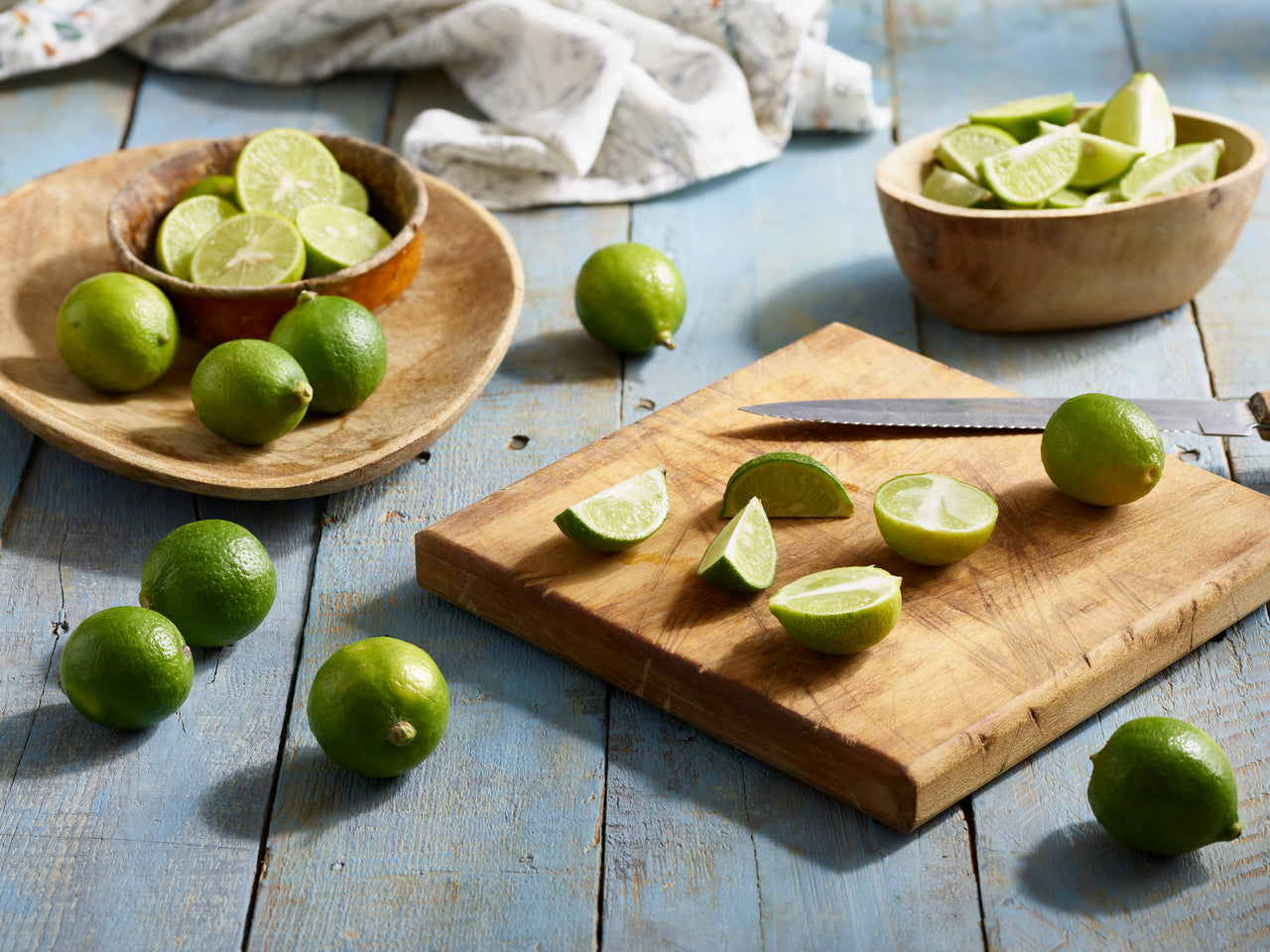
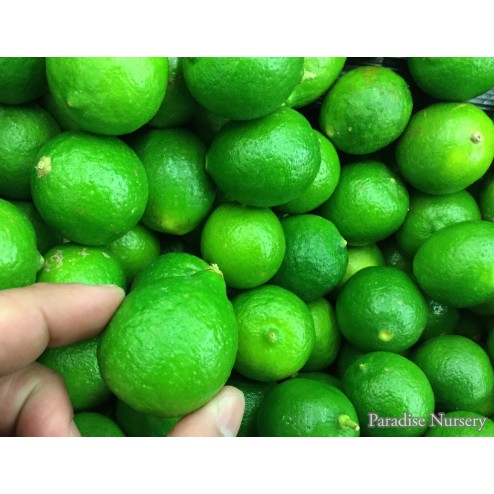
The Key Lime tree is known for producing small, juicy, tart, and delicious fruits. These limes are often used in beverages like tequila shots or sliced and placed in the neck of a glass beer bottle. The tree is vigorous and prolific, with fruits that are harvested green and consumed when they turn yellow.
Planting and Growing Conditions
Sunlight: Thrives in full sun; requires at least 6-8 hours of direct sunlight daily.
Soil: Prefers well-draining, sandy loam soil with a slightly acidic to neutral pH (6.0 to 7.5).
Watering: Requires regular watering, especially during dry spells. Soil should be moist but not waterlogged.
Temperature: Best suited for warm climates; sensitive to frost and should be protected or moved indoors in cooler regions.
Care and Maintenance
Fertilization: Use a balanced citrus fertilizer during the growing season to promote healthy growth and fruit production.
Pruning: Prune in late winter or early spring to remove dead or crossing branches and to maintain shape.
Pest Control: Monitor for common pests like aphids, scale insects, and citrus leaf miners. Employ appropriate organic or chemical treatments as needed.
Harvesting Key Limes
Timing: Fruits are typically harvested when green but can be left on the tree until they turn yellow for increased sweetness.
Method: Gently twist and pull the fruit from the branch to avoid damaging the tree.
Frequency: In optimal conditions, Key Lime trees can produce fruit year-round, with peak seasons in late summer to early fall.
Culinary Uses of Key Lime Fruit
Beverages: Enhances the flavor of cocktails, beers, and non-alcoholic drinks.
Cooking and Baking: Essential ingredient in Key Lime pie, marinades, and dressings.
Garnishes: Adds a fresh, citrusy touch to various dishes and desserts.