



Get notified
Royal Blenheim Apricot Tree For Sale
The Royal Blenheim apricot tree is a deciduous fruit tree that typically grows to a height of 15 to 20 feet (4.5 to 6 meters). It has a spreading growth habit with a rounded crown. The leaves are green and ovate in shape. The fruit is renowned for its deliciously sweet and flavorful fruit. The apricots are medium-sized with golden-orange skin and a slightly blush or reddish tint. They have firm, juicy flesh that is aromatic and bursting with flavor.
The Blenheim apricot has a rich history that dates back several centuries. Its origins can be traced to the ancient region of Armenia, where apricots have been cultivated for thousands of years. Apricots were highly valued for their sweet flavor and nutritional benefits, and they were introduced to different parts of the world through trade routes and migrations.
Harvesting:
Blenheim apricots are usually ready for harvest in midsummer, around June or July, depending on the climate. Pick fruits in Summer. Enjoy fresh, dry, or use to bake and cook.
Growing conditions:
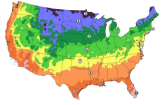
Blenheim apricot trees thrive in regions with a Mediterranean climate, warm, dry summers, and mild winters. They require full sun exposure to produce abundant fruit. The trees prefer well-drained soil but can tolerate a range of soil types.
Pollination:
Most apricot trees, including the Blenheim variety, are self-fruitful, which means they can produce fruit with their own pollen. However, cross-pollinate from another apricot tree to improve fruit set and yield. Planting another apricot variety nearby or providing pollinators like bees can increase the chances of successful pollination.
Pruning and Maintenance:
Prune regularly to maintain the health and shape of the Blenheim apricot tree. Prune during the dormant season (late winter or early spring) to remove dead, diseased, or crossing branches and to promote better air circulation and sunlight penetration. Thinning the fruit on the tree can also improve the size and quality of the remaining apricots.
Pests and diseases:
Blenheim apricot trees are susceptible to various pests and diseases. They include aphids, scale insects, peach twig borers, brown rot, and bacterial canker. Proper monitoring, using organic pest control methods, and maintaining good tree hygiene can help prevent or manage these issues.
Remember to check with local nurseries or agricultural extension services for specific guidance on growing apricot trees in your area, as climate and conditions can vary.