

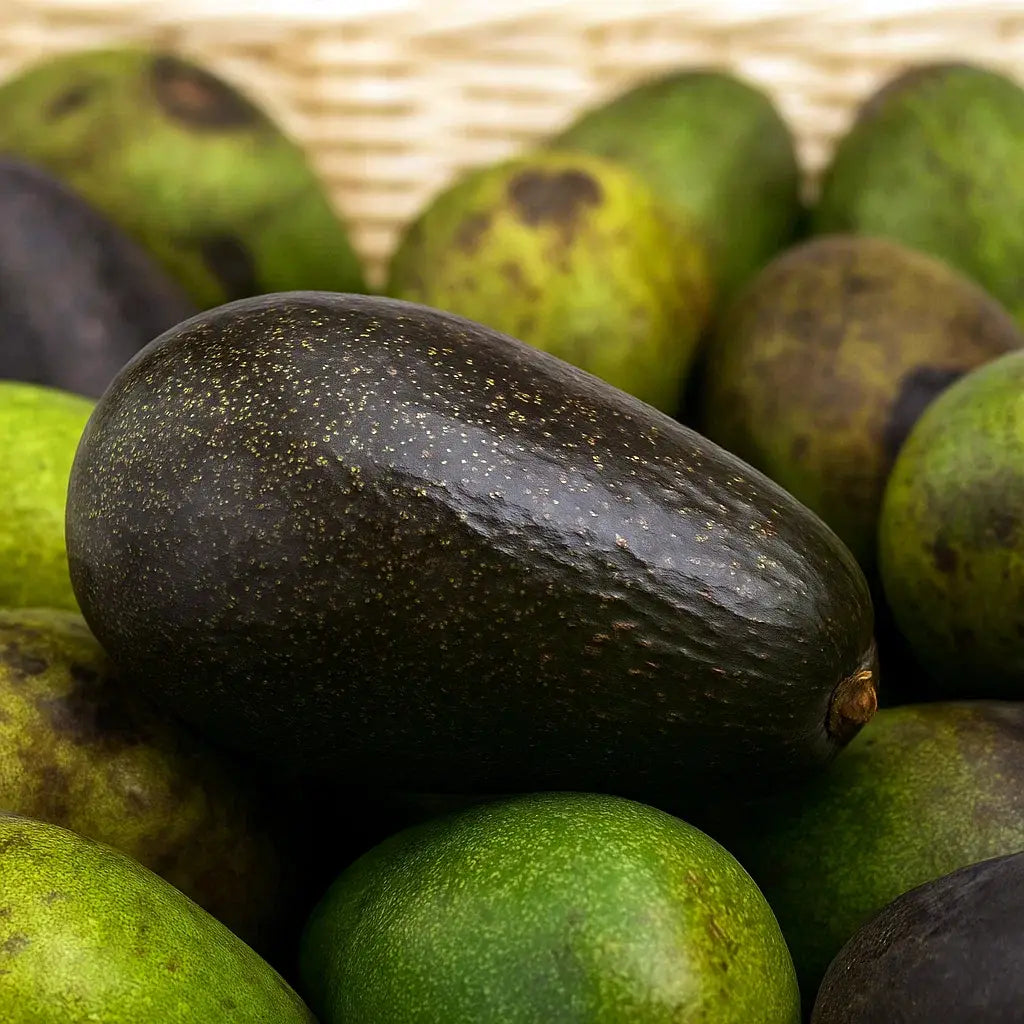
Fuerte Avocado Tree
from $75.00
Climate and Light Requirements
The Fuerte Avocado tree is well-suited to subtropical climates, thriving in coastal and mild summer regions. Its large leaves allow it to collect sunlight even in low-light, partial-sun conditions. In hot climates, protect the tree from intense sunlight and heat by planting it where it will receive morning sun and afternoon shade. In milder climates or coastal areas, the Fuerte avocado can be planted in full sun without issue.
Fruit Characteristics
Skin and Seed: Fuerte Avocados have medium-thin skin and medium-large seeds.
Shape: The fruit is long-shaped, and the tree itself features large leaves.
Type B Avocado: This variety requires a Type A pollinator, such as the Hass avocado, to bear fruit.
Growth and Pollination
Pollination Needs
As a Type B avocado, the Fuerte Avocado tree requires a Type A pollinator for fruit production. Pairing it with a tree like the Hass avocado will ensure successful pollination. Fuerte Avocado trees typically fruit once every other year when they are young.
Protection from Heat and Wind
The Fuerte Avocado tree requires protection from excessive heat and wind. Planting the tree in an area with morning sun and afternoon shade helps protect it from extreme heat. Avoid planting in overly windy areas to ensure healthy growth and fruiting.
Origin and History
The Fuerte Avocado is a Mexican-Guatemalan hybrid that arrived in California from Puebla in the early 1900s. The name "Fuerte" (meaning "strong" in Spanish) was earned after the tree survived a severe frost in California in 1913. This variety is cold-tolerant down to −3 °C (27 °F) and has a long harvesting season, typically from November through March.


Dancy Mandarin Tree
from $70.00
Dancy Mandarin / Tangerine Tree
The Dancy Mandarin Tree, often called the Dancy Tangerine, is a classic heirloom citrus variety prized for its rich flavor, vibrant color, and heavy fruit production. Available in Standard, Semi-Dwarf, and Dwarf forms, it can be grown in the ground or in containers, making it a versatile choice for any home garden.
Tree Size & Growth Habit
Standard & Semi-Dwarf: Grow with a strong single trunk that branches into a rounded canopy.
Dwarf: Topped low for a bush-like form, perfect for pots and small spaces.
Although Dancy Mandarin trees can reach over 20 feet tall, most home gardeners prune them to a manageable height of 9–15 feet. For orchard planting, space trees as close as 9 feet apart, allowing more room for larger growth. With their lush green foliage, fragrant blossoms, and abundant fruit, Dancy Mandarins are both ornamental and productive, making them ideal for home landscapes.
Planting & Growing Conditions
Sunlight: Plant in full sun for optimal growth and fruit production.
Soil: Use well-draining soil with a high-quality planting mix and fertilizer.
Watering Guidelines
Spring–Summer: Water young trees twice per week.
Fall–Winter: Reduce watering to once per week in cooler weather.
Hot & Sandy Soils: Increase watering frequency as needed to prevent stress.
Dancy Mandarin Tree Fertilization
Spring & Summer: Apply a citrus fertilizer with a 2-1-1 NPK ratio to encourage strong foliage growth.
Organic Nitrogen Sources: Blood meal or well-aged manure provide natural nitrogen.
Winter: Switch to fertilizers higher in phosphorus and potassium (such as humus or bone meal) to support flowering and fruit development.
Pest & Problem Management
The Dancy Mandarin tree is low-maintenance and typically less attractive to birds and small animals, such as squirrels, compared to other fruit trees. This makes it a reliable, easy-care option for home gardeners.
Ideal Growing Regions
The Dancy Mandarin thrives in the warm climates of Southern California, especially in:
Los Angeles County
Ventura County
Santa Barbara County
Riverside County
Orange County
San Diego County
Washington Navel Orange Tree
from $70.00
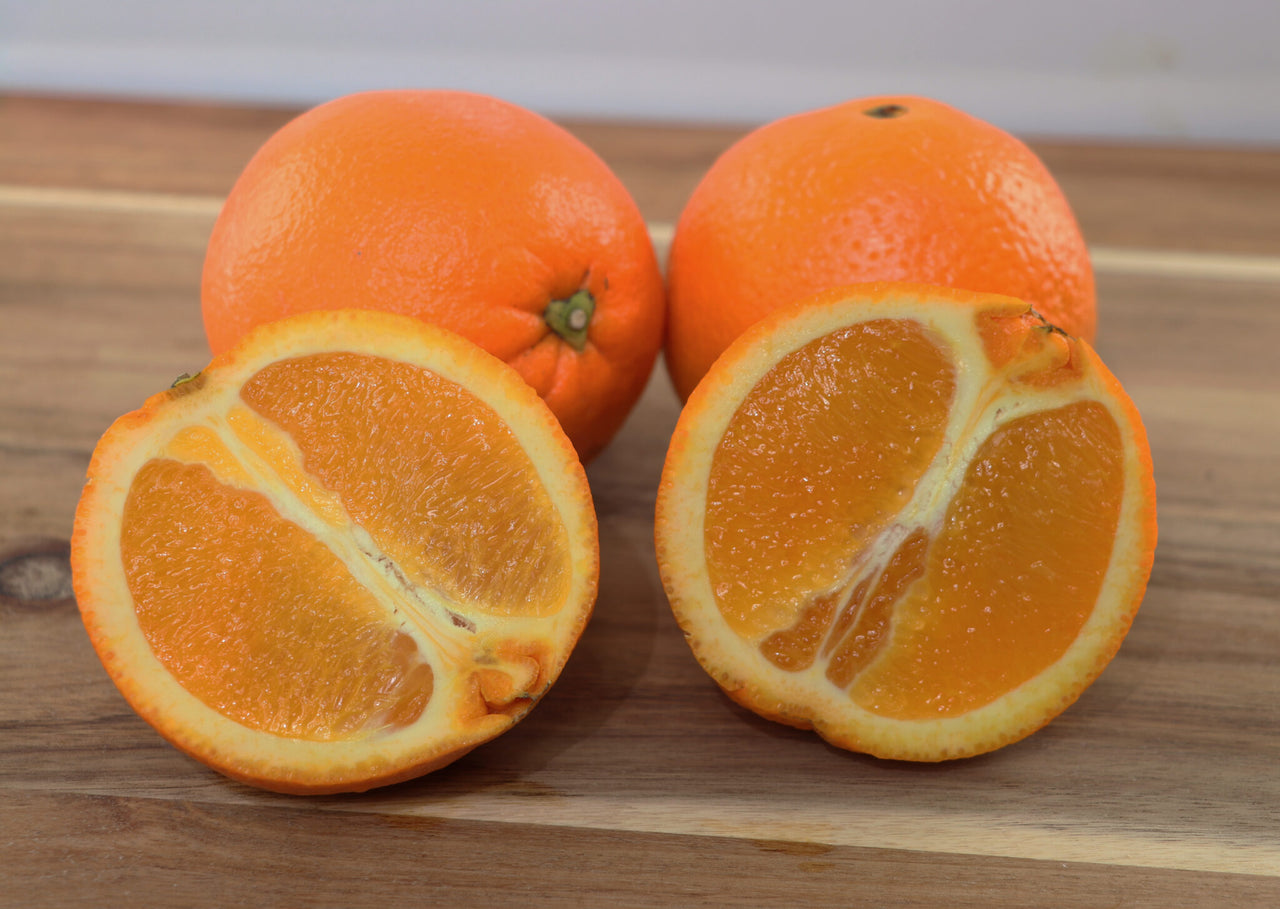
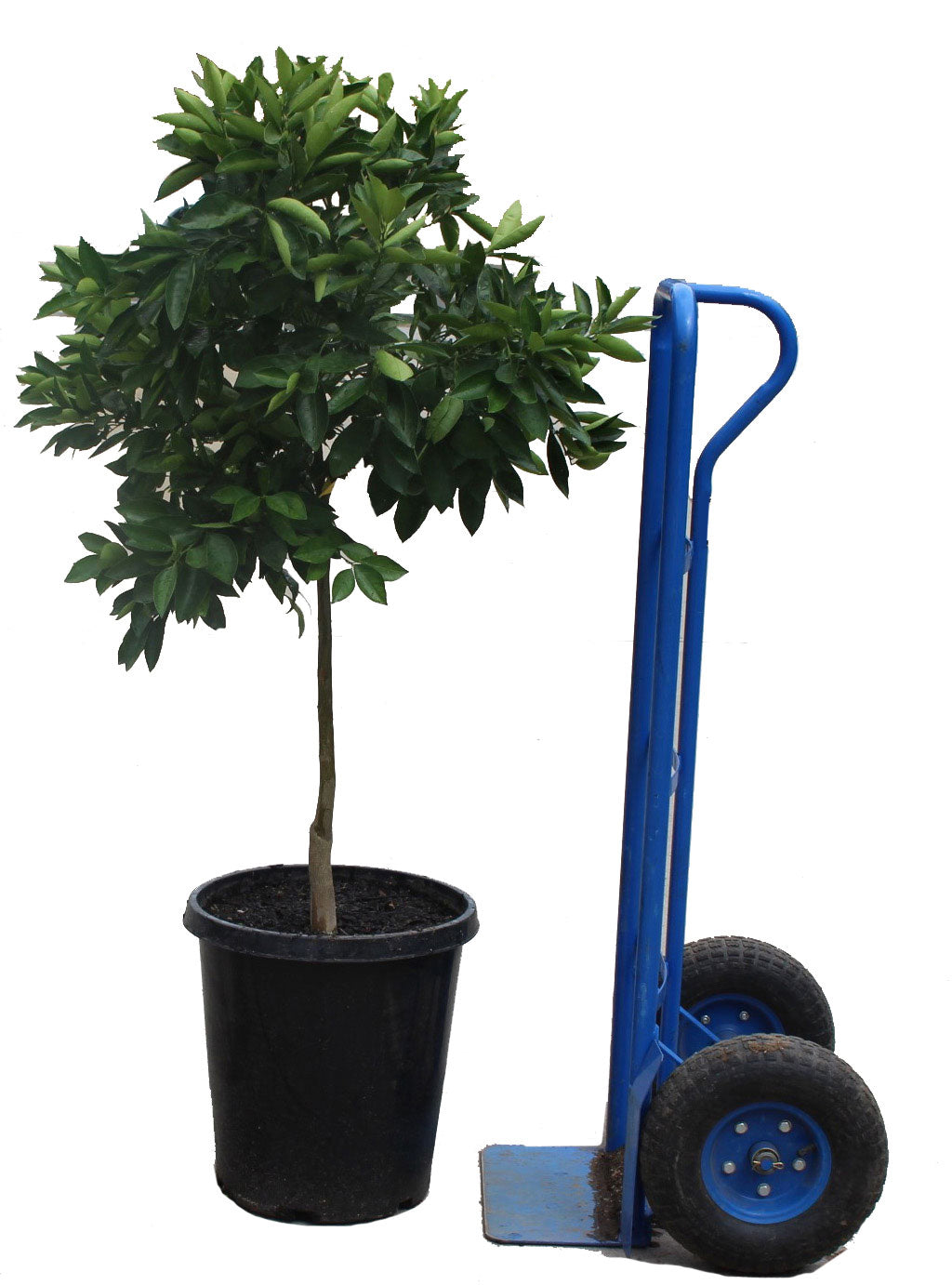
The Washington navel orange tree (Citrus sinensis) is a popular variety of sweet orange known for its seedless and easy-to-peel fruit. It's one of the most widely grown and consumed orange varieties in the world.
Here are some key characteristics and information about the Washington navel orange tree:
Origin: The Washington navel orange originated in Brazil in the early 19th century. It was later introduced to the United States, specifically to Riverside, California, in 1870.
Fruit Characteristics:
Seedless: One of the defining characteristics of the Washington navel orange is that it is almost entirely seedless, making it a favored choice for eating out of hand.
Easy to Peel: The fruit is also known for being easy to peel, which is convenient for consumption.
Tree Characteristics:
Growth Habit: The Washington navel orange tree is typically a medium-sized tree with a rounded canopy.
Leaves: The leaves are glossy, oval-shaped, and dark green in color.
Climate and Growing Conditions:
Climate: These trees thrive in subtropical to Mediterranean climates. They prefer mild, frost-free winters and warm, dry summers.
Soil: They do well in well-drained soil with a slightly acidic to neutral pH level.
Cultivation:
Propagation: They can be propagated from seeds, but for consistent fruit quality, it's better to use grafting techniques.
Spacing: Trees should be planted about 10 to 15 feet apart.
Harvesting:
Washington navel oranges are typically harvested in the late fall through early spring months, depending on the specific climate and growing conditions.
Common Uses:
These oranges are primarily eaten fresh, either on their own or in salads and desserts.
They are also used for making juices and jams due to their sweet and flavorful juice.
Pests and Diseases:
Like all citrus trees, the Washington navel orange tree can be susceptible to pests like aphids, scale insects, and citrus leafminer. Diseases like citrus canker and greening can also be problematic.
Popular Varieties:
Besides the Washington navel, there are other types of navel oranges, such as the Cara Cara navel and the Late navel.
Commercial Importance:
Washington navel oranges are a major commercial crop in many citrus-growing regions around the world, especially in California, USA.
Valencia Orange Tree
from $70.00
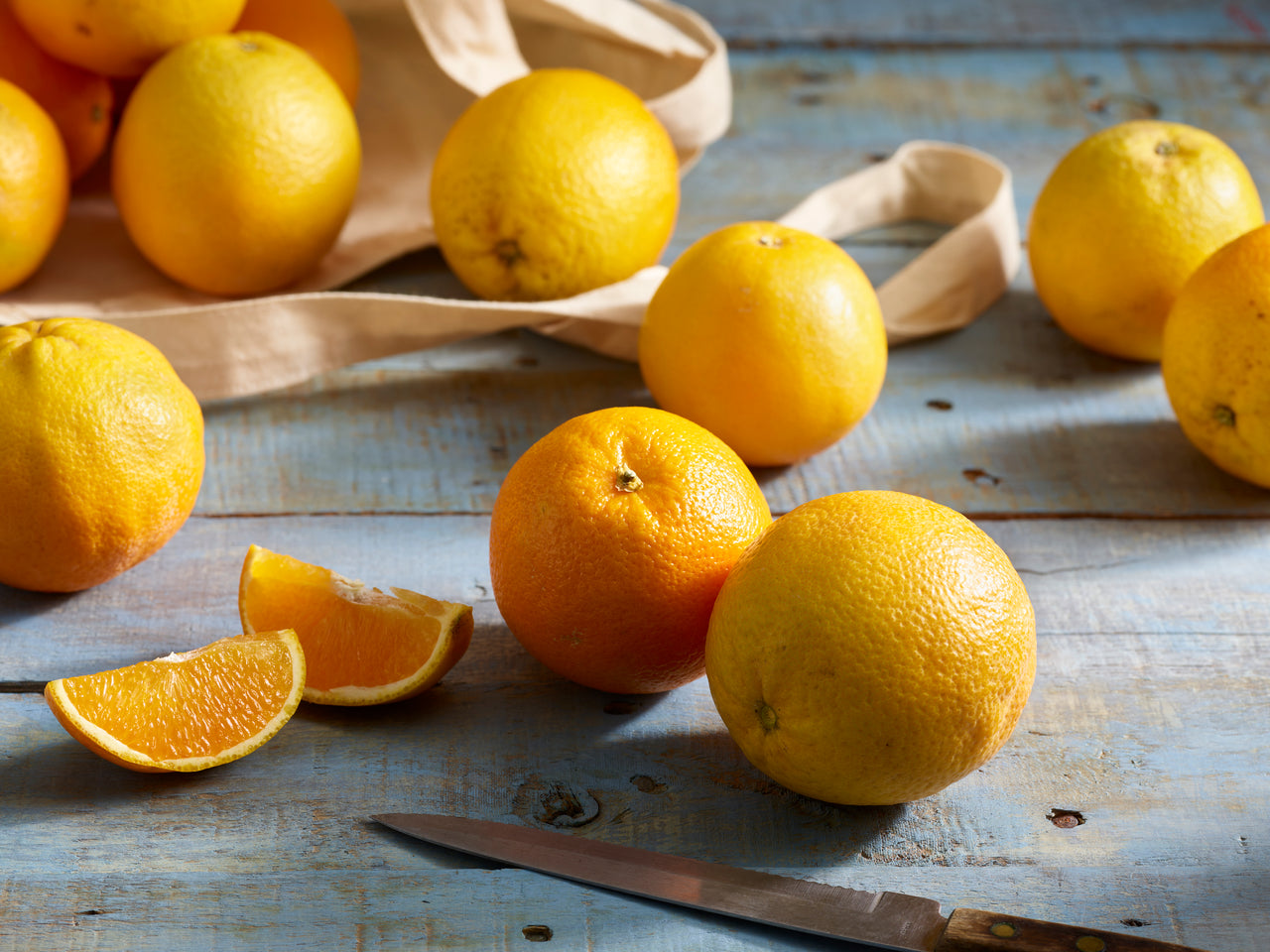
Valencia oranges are one of the most popular orange varieties, known for their sweet, juicy flavor and vibrant color. They are prized for making juice and are often referred to as the "summer orange" because they ripen later than other varieties. The fruit is typically medium to large, with a thin, smooth skin that turns a bright orange when fully ripe. Valencia oranges are nearly seedless and have a high juice content, making them ideal for both fresh eating and juicing.
Growth and Planting Conditions
Sunlight: Valencia Orange trees require full sun to thrive. Make sure to plant them in a location where they receive at least 6-8 hours of direct sunlight each day.
Soil: These trees prefer well-draining, sandy or loamy soil. Ensure that the soil is slightly acidic to neutral with a pH range of 6.0 to 7.5.
Temperature: Valencia Orange trees grow best in warm climates. They are suitable for USDA Zones 9-11 and need protection from frost. In colder regions, growing them in containers allows you to bring them indoors during winter.
Spacing: When planting Valencia Orange trees, space them about 12-15 feet apart to allow for proper air circulation and root growth.
Watering and Irrigation
Watering Schedule: Regular watering is essential, especially during the first few years after planting. Water the tree deeply about once a week, ensuring the soil is moist but not waterlogged.
Summer Watering: Increase the frequency of watering during hot, dry periods, especially when the tree is fruiting. In hotter climates, watering 2-3 times a week may be necessary.
Mulching: Apply a layer of mulch around the base of the tree to retain soil moisture and prevent weeds. Make sure the mulch doesn’t touch the trunk to avoid rot.
Fertilization
Fertilizer Type: Use a citrus-specific fertilizer with a balanced NPK ratio, such as 6-4-6, during the growing season.
Application: Fertilize the tree 3-4 times a year, starting in early spring and continuing through summer. Be sure to include micronutrients like magnesium, zinc, and iron to support healthy foliage and fruit production.
Organic Options: For a natural approach, organic fertilizers like compost and manure can provide the nutrients needed for steady growth.
Pruning
Timing: Prune Valencia Orange trees in late winter or early spring before new growth begins.
Method: Remove any dead, diseased, or crossing branches to improve air circulation and allow sunlight to penetrate the canopy. This helps prevent disease and promotes healthy fruit production.
Shaping: Prune to maintain a manageable size and shape, especially if you are growing the tree in a container.
Pest and Disease Control
Common Pests: Watch for common citrus pests such as aphids, spider mites, and citrus leaf miners. Treat infestations with neem oil or organic insecticidal soap.
Disease Prevention: Prevent fungal diseases like root rot by ensuring proper drainage. Keep the tree well-pruned to allow for good airflow around the branches and leaves.
Harvesting and Fruit Characteristics
Harvest Time: Valencia oranges ripen later than other citrus varieties, usually in late spring to summer. The fruit may stay on the tree for several months without losing quality, which allows for an extended harvest.
Ripeness Indicators: Valencia oranges develop their full sweetness when left on the tree until fully ripe. The fruit should have a deep orange color and feel firm to the touch.
Usage: These oranges are excellent for juicing due to their high juice content, but they are also great for eating fresh.
History of Valencia Oranges
Valencia oranges were developed in the mid-19th century by American agronomist William Wolfskill in Southern California. He named the variety after Valencia, Spain, a region known for its sweet oranges. The Valencia orange quickly became the preferred variety for juice production due to its high juice content, fewer seeds, and superior flavor. Today, it remains one of the most important commercial orange varieties globally, especially in juice production.


Late Lane Navel Orange
from $170.00
Lane Late Navel Orange Tree
The Lane Late Navel Orange Tree is a premier evergreen citrus variety cherished for extending the orange season well into the summer. As a "late-season" powerhouse, it allows gardeners to enjoy tree-fresh fruit long after other navel varieties have finished. With its dense, deep-green canopy and incredibly fragrant spring blossoms, this tree is as beautiful in a landscape as it is productive, offering a lush, Mediterranean feel to any backyard.
Climate & Growing Conditions
The Lane Late Navel Orange flourishes in the warm, sunny climates of Southern California, particularly in Los Angeles, Riverside, Orange, and San Diego Counties. It requires full sun and well-draining soil to develop its signature sugar content. Available in Standard and Semi-Dwarf rootstocks, the tree is highly adaptable; Standard trees can reach heights of 15–20 feet, while Semi-Dwarf versions are easily maintained at 8–12 feet, making them perfect for large pots or smaller suburban lots. For optimal health, space trees 10–12 feet apart to ensure plenty of airflow and sunlight.
Fruit Description
Lane Late Navels are the gold standard for summer eating. The fruit is medium-to-large with a smooth, thin, bright orange rind and a small, characteristic "navel" at the blossom end. Inside, the flesh is entirely seedless, crisp, and exceptionally juicy. It possesses a rich, complex sweetness with lower acidity than early-season oranges, and unlike many other varieties, the fruit "stores" perfectly on the tree for months without losing its firm texture.
Culinary Uses
This variety is the ultimate "snacking" orange due to its easy-peeling rind and seedless segments:
Fresh Eating: Perfectly sweet and mess-free for school lunches or healthy snacks.
Salads: Adds a burst of summer sweetness to spinach salads, grain bowls, and citrus carpaccio.
Garnish: The firm texture makes it ideal for beautiful slices in summer sangrias and cocktails.
Juicing: While best eaten fresh, the juice is delicious if consumed immediately (navel oranges contain limonin, which can cause juice to turn bitter if stored too long).
Household & Health BenefitsNutrient Dense: Packed with Vitamin C, fiber, and potassium, supporting heart health and a strong immune system.
Natural Zest: The rind is rich in essential oils; use the zest to infuse sugars or flavor baked goods with a bright, floral citrus scent.
Low Calorie: A naturally sweet, hydrating treat that satisfies sugar cravings without processed additives.
Landscaping & Aromatherapy
The Lane Late Navel is a standout ornamental tree. Its symmetry and thick foliage make it an excellent choice for privacy screening or a focal point in the garden. During the spring bloom, the intense, sweet perfume of its white flowers acts as a natural aromatherapy, attracting pollinators and creating a relaxing outdoor environment.
Lane Late Navel Tree Care & Maintenance
Planting: Choose a south-facing spot with maximum sun exposure. Amend heavy soils with a high-quality citrus planting mix to improve drainage.
Watering: Maintain consistent moisture. Water twice weekly during the heat of summer and reduce to once weekly during the rainy season. Ensure the water reaches deep into the root ball.
Fertilizing: Apply a balanced citrus fertilizer (2-1-1 ratio) in late winter, late spring, and late summer. To support the heavy summer crop, ensure the tree receives adequate potassium during the fruit-set stage.
Pest ResistanceThe thick, healthy foliage of the Lane Late Navel is generally hardy. Because the fruit matures later, it often avoids the peak season for certain early-spring pests, though standard citrus care for aphids and scale is recommended.
History of the Lane Late Navel Orange
The Lane Late Navel was discovered in 1950 as a natural "bud sport" mutation on a Washington Navel tree in the garden of L.C. Lane in Mildura, Australia. This lucky genetic find changed the citrus industry by providing a high-quality navel orange that matured months later than its parent variety. While navel oranges originally trace their lineage back to a monastery in Brazil in the early 1800s, the Lane Late has become a global favorite for its ability to bridge the gap between spring harvests and the heat of summer.


Kishu Mini Mandarin
from $190.00
Kishu Mini Mandarin Tree
The Kishu Mini Mandarin (or Seedless Kishu) is widely considered the ultimate "snacker’s citrus." This small, evergreen tree produces bite-sized, candy-sweet fruit that has gained a cult following among fruit enthusiasts and families alike. With its compact growth habit and prolific harvests, it is a charming and highly productive addition to any home orchard, providing a bounty of tiny treasures that are as fun to pick as they are to eat.
Climate & Growing Conditions
The Kishu Mini Mandarin is exceptionally well-suited for Southern California’s Mediterranean climate, thriving in the sunny landscapes of Los Angeles, Orange, Ventura, and San Diego Counties. It is a sun-loving tree that performs best in full sun with well-draining soil. Naturally smaller than other mandarin varieties, the Kishu is a dream for "citrus in small spaces." In its Semi-Dwarf form, it stays a manageable 6–10 feet tall, making it the premier choice for large garden containers or decorative patio pots. For garden planting, space trees 8–10 feet apart to allow for their beautiful, rounded canopy to develop.
Fruit Description
The Kishu fruit is a visual and culinary delight. Roughly the size of a golf ball or a large walnut, these "mini" mandarins feature a smooth, bright orange rind that is incredibly easy to peel—often falling away in one or two pieces. The deep orange flesh is entirely seedless, tender, and bursting with juice. It is famous for a concentrated, honey-like sweetness that is perfectly balanced by a delicate floral aroma, making it far superior to the "Cuties" or "Halos" found in grocery stores.
Culinary Uses
Because of its small size and sweet flavor, the Kishu is most celebrated as a fresh-eating fruit:
The Perfect Snack: Its size and ease of peeling make it the #1 choice for children's lunchboxes and healthy on-the-go snacking.
Gourmet Salads: Toss whole or halved segments into arugula or beet salads for a vibrant, seedless pop of sweetness.
Dessert Toppings: Use the tiny, uniform segments to decorate fruit tarts, cakes, or panna cotta.
Stir-Fry & Glazes: The high sugar content makes the juice excellent for creating sweet-and-savory citrus glazes for proteins.
Household & Health Benefits
Vitamin Powerhouse: Like its larger cousins, the Kishu is rich in Vitamin C and antioxidants, boosting the immune system during the winter harvest months.
Kid-Friendly Nutrition: Its seedless nature and "fun size" encourage children to choose fresh fruit over processed sweets.
Natural Fragrance: Peeling a Kishu releases a potent, pleasant citrus oil that acts as an instant natural room deodorizer.
Landscaping & Aromatherapy
The Kishu tree is highly ornamental, characterized by a dense, weeping growth habit and small, willow-like dark green leaves. When in bloom, the tree is covered in tiny, white blossoms that emit a heavenly, intoxicating scent that can fill an entire backyard. Because of its compact size, it works beautifully as a focal point in a small garden, a fragrant hedge, or a "living screen" for a patio.
Kishu Mini Mandarin Tree Care & Maintenance
Planting: Ensure the planting site has excellent drainage. Use a high-quality citrus potting mix if planting in containers.
Watering: Mandarins prefer consistent moisture but dislike "wet feet." Water twice weekly during the spring and summer, ensuring the soil is dry an inch below the surface before watering again.
Fertilizing: Feed with a balanced citrus fertilizer (NPK 2-1-1) three times a year—late winter, late spring, and late summer. Kishus are heavy producers and appreciate the extra nutrients to support their large crops.
Pest ResistanceKishu trees are generally hardy, though they should be monitored for common citrus pests like Asian Citrus Psyllid and Leafminers. Because the fruit is so small and sweet, it is best to harvest them as soon as they reach deep orange to prevent over-ripening on the tree.
History of the Kishu Mini Mandarin
The Kishu has an ancient and prestigious lineage, originating in China before being brought to the Wakayama Prefecture (formerly Kishu) of Japan centuries ago. For generations, it was a prized delicacy in Japan, though it remained largely unknown in the West due to its small commercial size. It was finally introduced to the United States in the 1980s via the University of California, Riverside citrus collection. Since then, it has transitioned from a "collector’s item" to a backyard staple for California gardeners who value flavor and quality over supermarket scale.


Pink Lemonade Lemon Tree
from $170.00
The Variegated Pink Eureka Lemon is visually striking, featuring a green and yellow striped rind and pink flesh. It was discovered in the 1930s in a garden in Burbank as the result of a natural mutation rather than intentional breeding.
Growth and Care
Sunlight: Variegated Pink Lemon trees thrive in full sun. Ensure they receive at least 6-8 hours of direct sunlight daily for optimal growth and fruit production.
Soil: Plant in well-draining soil, as they are sensitive to waterlogging. Loamy or sandy soils with slightly acidic pH (6.0-6.5) work best.
Watering: Water regularly but avoid overwatering. Keep the soil consistently moist but not soaked, especially during the growing season. In hot climates, more frequent watering may be necessary.
Fertilization: Use a balanced citrus fertilizer, applying it during the growing season (spring and summer). Fertilize at least 3 times a year—spring, summer, and fall—using a fertilizer with micronutrients such as magnesium and zinc to support healthy growth.
Pruning: Prune annually in late winter or early spring before new growth begins. Remove dead, damaged, or diseased branches to maintain the tree’s shape and encourage air circulation.
Pest Control: Watch for common pests such as aphids, citrus leaf miners, and scale insects. Use organic insecticides or neem oil to manage infestations.
Growth Rate: Variegated Pink Lemon trees are relatively fast-growing and may begin producing fruit within a year.
Container Growing: They grow well in containers, making them ideal for small spaces or patios.
Fruit Production: Due to the lower levels of chlorophyll in their leaves, these trees are slightly less prolific than other lemon trees but still provide a unique and flavorful harvest.
Taste and Ripeness
Flavor Profile: The taste is similar to the classic Eureka lemon, though slightly sweeter. When harvested while the rind is still striped, the fruit has a tart flavor. If allowed to ripen further, the stripes fade, and the flavor mellows to a sweeter taste.
Seeds: This variety has fewer seeds than regular Eureka lemons.
Flesh Color: The flesh is a pink hue, similar to that of a grapefruit, due to the presence of lycopene.
Culinary Uses
Variegated Pink Lemons shine in culinary presentations where their unique appearance can be highlighted. They are perfect for:
Salads and Garnishes: Their vibrant color adds visual appeal to dishes.
Candied Lemon Slices: The pink flesh and striped rind make for beautiful candied slices.
Baking: They are also a great option for various baked goods.
Fun Fact
Despite the pink flesh, pink lemonade is not made from pink lemons. Typically, berries or food dyes are used to give pink lemonade its color.

Improved Brown Turkey Fig Tree
from $55.00
Overview of the Brown Turkey Fig Tree
Their brownish-dark purple skin and mild flavor are great for those who prefer fruit less sweet than the Black Mission figs that looks similar.
Brown Turkey Fig Fruit Description
The tree produces medium to large-sized figs with a distinctive pear-like shape. When ripe, these figs showcase:
Skin: Purplish-brown.
Flesh: Pinkish-red, with a sweet, rich, and slightly nutty flavor.
These figs are perfect for fresh consumption and can be used in various culinary dishes.
Tree Description
This deciduous tree has an attractive, spreading growth habit. It can reach a height of about 15 to 30 feet (4.5 to 9 meters) and is adorned with large, green color, lobed shaped leaves, that adds to its ornamental value. The Brown Turkey Fig Tree grows relatively fast and can become large quickly. They are vigorous trees that can tolerate the hot summer climates and intense heat waves. Trim fig trees to maintain a desired shape. Fig trees can be a bit messy in the Fall and Winter when the fruits ripen and the leaves Fall. Fig trees thrive with extra water and rarely have fungus issues unless there is a lack of light. Remember to increase the frequency of water in the Summer into Fall to provide the hydration needed to help fruits to ripen in the Fall.
Fresh Consumption: Enjoy the sweet and flavorful figs fresh off the tree.
Dried Figs: Dry the fruits to enjoy their sweetness year-round.
Culinary Uses: Add natural sweetness to salads, desserts, and various dishes.
Shade Provider: Use the tree’s shade to protect other plants that are sensitive to full sun and heat. It can create a subtropical oasis in your garden.
History
The Ficus carica 'Brown Turkey' has a long history, believed to have originated in Western Asia. It was later introduced to Europe, where it gained popularity due to its delicious fruit and adaptability to different climates. Today, it is widely cultivated across the world for both its ornamental appeal and fruit.
Buying:
Visit our store to pick up, select for delivery, or explore the fruit trees we have to offer. Otherwise, order online or by phone for pick up and delivery by truck for your convenience. Certainly, look no further for your source for a fig tree. Purchase today to grow your own fig trees, and pick fruits each Fall.
Sour Orange Tree - Naranj Shiraz - نارنج
from $1,500.00
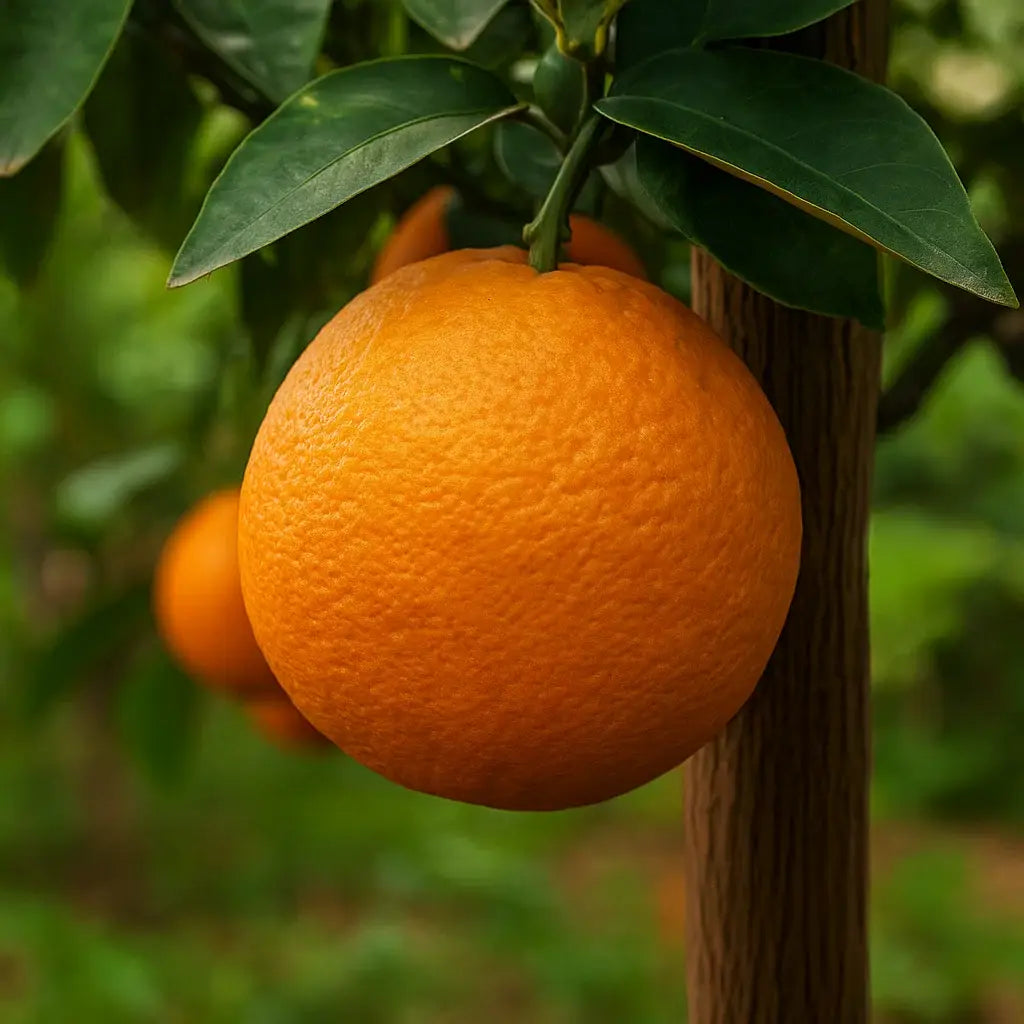
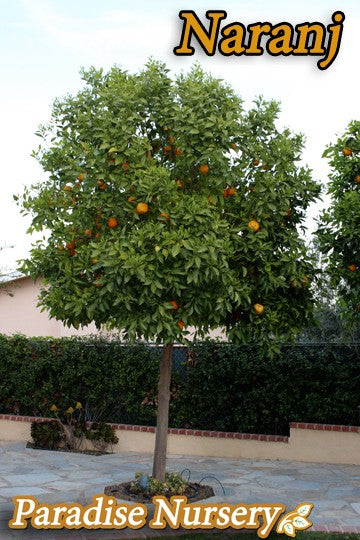
Citrus × aurantium, commonly known as Sour orange or Seville orange, is a hybrid citrus fruit resulting from the cross between a pomelo (Citrus maxima) and a mandarin (Citrus reticulata). This fruit is primarily known for its sour, bitter flavor and is widely used in cooking, traditional medicine, and essential oil production. Unlike sweet oranges, bitter oranges have a more astringent and aromatic quality.
Key Characteristics
Fruit Appearance: The fruit has a thick, rough, and orange-colored rind. The flesh is sour and bitter with a relatively high acidity.
Tree Size: Citrus × aurantium trees can grow to around 20-30 feet tall and are typically evergreen. They have dark green, glossy leaves and fragrant white flowers.
Flowers: The blossoms are highly fragrant and are often used to produce orange blossom water, a common ingredient in Middle Eastern and Mediterranean cuisine.
Uses of Citrus × aurantium
Marmalade: The bitter, aromatic flavor of Seville oranges makes them the primary fruit used in making traditional marmalade.
Culinary Uses: Bitter orange is used to flavor sauces, liqueurs (such as Curaçao and Triple Sec), and as a spice in Middle Eastern dishes.
Medicinal Uses: Bitter orange is used in traditional medicine to aid digestion, treat colds, and as a weight-loss supplement (though care should be taken due to potential side effects from the compound synephrine).
Perfumes and Essential Oils: The rind of the fruit is used to extract essential oils, which are often used in perfumes, cosmetics, and aromatherapy. The oil derived from the flowers is known as neroli oil and the oil from the leaves is called petitgrain.
Growing Conditions
Sunlight: Like other citrus trees, Citrus × aurantium requires full sun for optimal growth and fruit production.
Soil: It prefers well-draining, sandy or loamy soils with a slightly acidic to neutral pH (6.0-7.0).
Watering: Water the tree deeply and regularly during the growing season, but allow the soil to dry out between waterings to avoid root rot.
Temperature: Bitter orange trees thrive in USDA hardiness zones 8-11. They tolerate light frost but should be protected from extended cold periods.
Harvesting
Bitter oranges are typically harvested in winter and early spring. The fruit is ripe when the skin turns a bright orange, but they remain firm and slightly hard.
Historical Significance
Citrus × aurantium has been cultivated for centuries and is believed to have originated in Southeast Asia. It was brought to Europe and the Mediterranean region via trade routes and has since become a key component in European and Middle Eastern cuisine. Seville, Spain, is particularly famous for its cultivation of bitter oranges, which are used to make the renowned Seville orange marmalade.
Oroblanco Grapefruit Tree
from $170.00
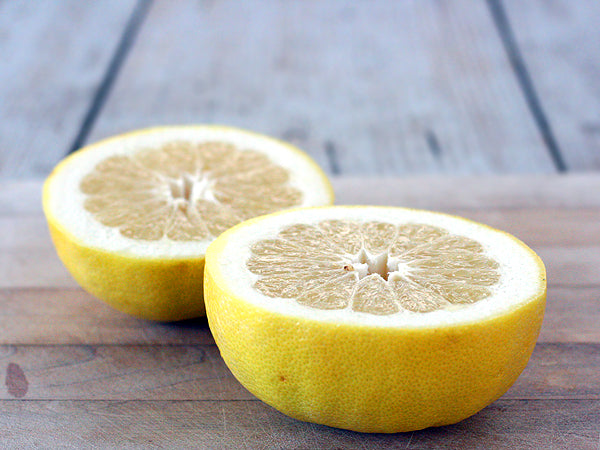
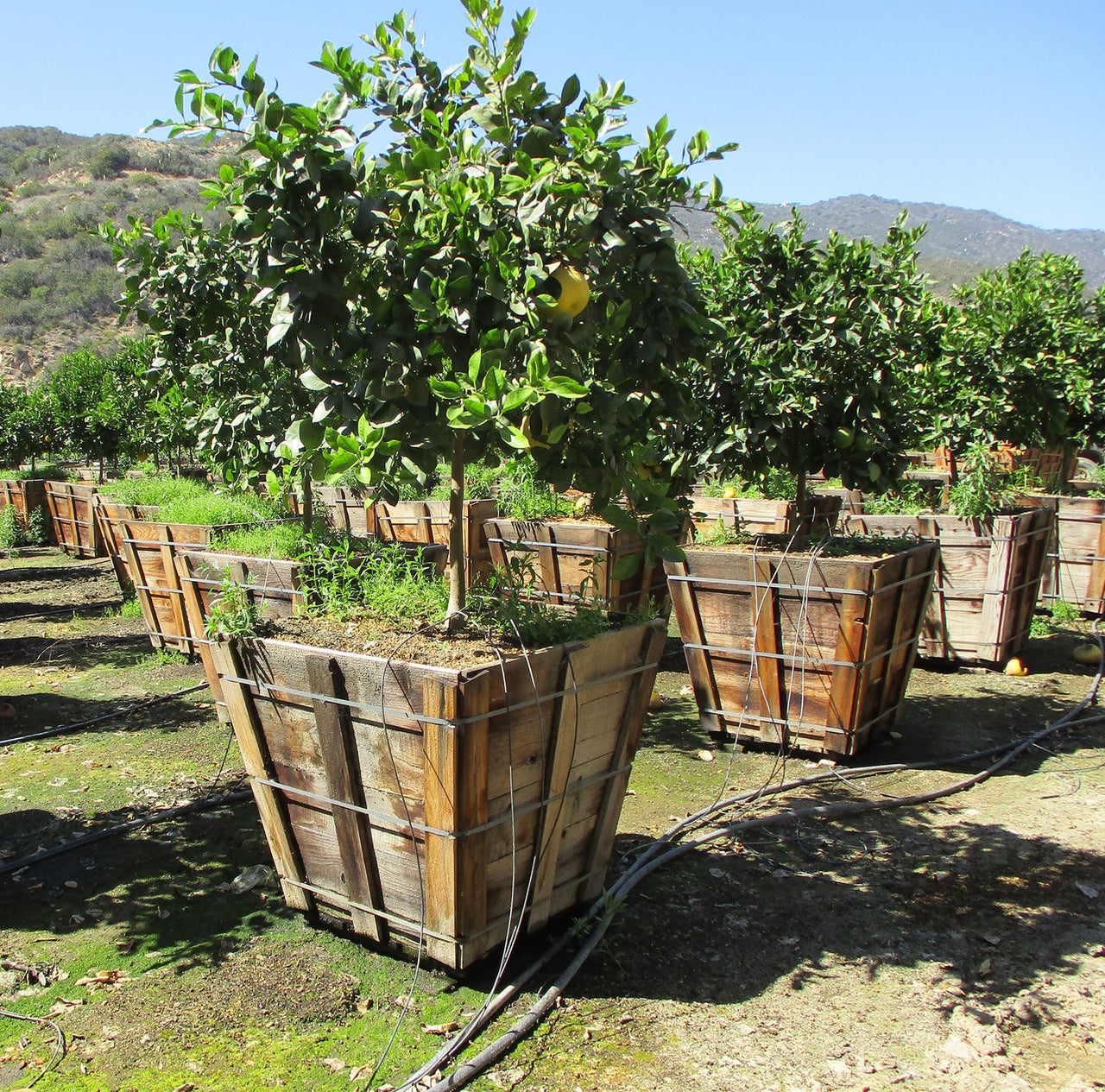
The Oroblanco Grapefruit tree is a citrus variety that produces large, yellow-skinned fruits with white flesh. The fruits are round to ovate, typically 4 to 5 inches in diameter. The skin is smooth, thick, and contains aromatic oils from its lightly pebbled pores, giving it a fragrant quality.
Tree Characteristics
Size and Fruit Shape: Produces large, round to ovate fruits with a diameter of 4 to 5 inches.
Skin Texture: The skin is thick, smooth, and contains aromatic oils.
Fruit Quality: The fruit is sweet and fragrant, making it a desirable citrus variety.
Climate and Growing Conditions
Cold Sensitivity: Oroblanco trees do not tolerate cold well but adapt quickly to a wide range of environments, making them suitable for growing in warmer climates.
Ideal Growing Zones: Best suited for USDA hardiness zones 9-11, where winters are mild and frost is minimal.
Care Tips for Oroblanco Grapefruit Trees
Sunlight: Plant in full sun for optimal growth and fruit production. Ensure the tree receives at least 6-8 hours of direct sunlight per day.
Soil: Oroblanco trees prefer well-draining, sandy loam soil but can adapt to various soil types. Ensure that the soil drains well to prevent root rot.
Watering: Water regularly, especially during the growing season. However, be careful not to overwater as this can lead to root problems. Let the top inch of soil dry out between waterings.
Fertilization: Feed the tree with a citrus-specific fertilizer during the growing season. Apply a balanced fertilizer (higher in nitrogen) in early spring, followed by regular feedings through the summer to encourage healthy growth and fruit development.
Pruning: Prune in late winter or early spring to remove dead or damaged branches and to maintain the tree's shape. Proper pruning improves air circulation and encourages fruit production.
Mulching: Apply a layer of mulch around the base of the tree to help retain moisture, suppress weeds, and regulate soil temperature.
Cold Protection: In areas prone to frost, consider protecting the tree with frost blankets or by bringing container-grown trees indoors during cold spells.
Harvest and Fruit Uses
Oroblanco grapefruits typically ripen in late fall to winter. The sweet, fragrant fruit can be eaten fresh or used in salads, juices, and desserts.
Origin and History
Oroblanco Grapefruit is a hybrid variety, its name meaning "white gold" in Spanish. It was developed through the crossbreeding of an acidless pummelo and a white-seeded grapefruit at the University of California, Riverside, in 1958. The University of California holds the patent, and the variety was officially released in 1980.
Summary
The Oroblanco Grapefruit tree is a unique hybrid citrus known for its large, sweet fruit with smooth yellow skin. Developed at UC Riverside, it’s a versatile tree that thrives in warmer environments but should be protected from cold temperatures. By providing proper sunlight, watering, and fertilization, the tree can produce a bountiful harvest of delicious fruit.


Algerian Mandarin (Clementine)
from $170.00
Algerian Mandarin (Clementine) Tree
The Algerian Mandarin, also known as the original Clementine, is the gold standard for easy-peeling citrus. This evergreen beauty is a winter favorite, known for its prolific harvests that ripen just in time for the holiday season. With its graceful, weeping growth habit and dense canopy of willow-like leaves, the tree is as ornamental as it is productive, making it a "must-have" for families who want a constant supply of seedless, snackable fruit throughout the winter months.
Climate & Growing Conditions
The Algerian Mandarin is perfectly adapted to the Mediterranean climate of Southern California, thriving in Los Angeles, Orange, Ventura, and San Diego Counties. It loves the heat of the day but is also quite cold-hardy compared to other citrus, making it a reliable choice for inland valleys. While Standard trees can reach up to 15–20 feet, the Semi-Dwarf variety is the most popular for home gardens, typically topping out at 8–12 feet. This compact size makes it incredibly easy to harvest and well-suited for planting in large garden pots or as a lush, evergreen hedge. For the best fruit set, plant in full sun and provide well-draining soil.
Fruit Description
The fruit is the quintessential "Cutie"—medium-sized with a smooth, shiny, deep-orange rind that is loose and incredibly easy to peel. Inside, you’ll find juicy, meltingly tender segments that are virtually seedless (unless grown near other seedy citrus varieties). The flavor is a harmonious blend of high sugar content and a refreshing, bright acidity, finished with a subtle floral fragrance that makes it a favorite for both children and gourmets.
Culinary Uses
Because the Algerian Mandarin is so easy to peel and segment, it is a versatile staple in the kitchen:
The Ultimate Snack: Its "zipper-skin" makes it the perfect healthy snack for school lunches or quick energy on the go.
Winter Salads: Toss segments into salads with fennel, beets, or walnuts for a bright burst of winter flavor.
Desserts & Baking: Use the juice and zest for light cakes, tarts, and marmalades. The segments also make a beautiful garnish for chocolate desserts.
Cocktails: Freshly squeezed Clementine juice adds a sophisticated, sweet-tart edge to margaritas and mimosas.
Household & Health Benefits
Immune Support: High in Vitamin C and antioxidants, providing a natural defense during the winter cold season.
Low Calorie: A naturally sweet, fiber-rich treat that satisfies sugar cravings without processed ingredients.
Natural Aromatics: The essential oils in the peel are incredibly fragrant; simmering the rinds on the stove provides a fresh, uplifting scent throughout the home.
Landscaping & Aromatherapy
The Algerian Mandarin is one of the most attractive citrus trees for landscaping. Its willow-like foliage creates a soft, elegant texture that works beautifully as a focal point or a privacy screen. In early spring, the tree produces a massive flush of tiny, white blossoms that emit a sweet, honey-like perfume, filling the garden with a quintessential Southern California scent.
Algerian Mandarin Tree Care & Maintenance
Planting: Choose a location with at least 6–8 hours of sunlight. Use a high-quality citrus planting mix to ensure the roots remain well-aerated.
Watering: Establish a consistent routine. Water twice weekly during the spring and summer, and reduce to once a week in the winter. Ensure the soil stays moist but never soggy.
Fertilizing: Feed with a balanced citrus fertilizer three times a year (late winter, late spring, and late summer). Because it is a heavy producer, the Algerian Mandarin appreciates a little extra nitrogen in the spring to support its dense foliage.
Pest Resistance
The Algerian Mandarin is a sturdy tree with good general resistance to most common garden pests. However, it is always wise to keep an eye out for aphids or scale during the spring growth spurt. Because the fruit is so sweet, birds may be tempted, but the dense foliage usually provides excellent protection for the harvest.
History of the Algerian Mandarin
The Clementine has one of the most charming origin stories in the citrus world. It was discovered in the late 19th century by Father Clément Rodier in the garden of an orphanage near Oran, Algeria. It is believed to be a natural hybrid between a Mediterranean Mandarin and a sweet orange. It was introduced to the United States in the early 1900s and has since become one of the most commercially successful and beloved citrus varieties in history, famously marketed as the original "easy-peeler."

Australian Finger Lime tree
$170.00
Australian Finger Lime Tree
The Australian Finger Lime (Citrus australasica) is a rare and highly prized citrus variety, native to the rainforests of Queensland and New South Wales, Australia. Known for its distinctive elongated fruit and caviar-like pulp, the finger lime has gained international recognition as a gourmet delicacy. With exceptional versatility, striking visual appeal, and a unique tangy flavor, this tree is valued by both home gardeners and professional chefs.
Growing Conditions & Care
The Australian Finger Lime Tree thrives in USDA Zones 9–11, making it well-suited to warm, subtropical, and Mediterranean climates. It performs best in full sun to partial shade and prefers well-draining, slightly acidic soil. Consistent moisture is essential, though established trees can tolerate light frost.
This variety adapts well to container growing, making it an excellent choice for patios or small gardens. Light pruning encourages healthy branching and improves airflow. For nutrition, use a balanced, slow-release citrus fertilizer with a slightly acidic pH. Formulas such as 6-3-3 or 8-4-8 with added micronutrients like magnesium, zinc, and iron are ideal. Fertilize in early spring and late summer, and avoid over-fertilizing to protect the roots. Organic options, such as compost or well-rotted manure, also improve soil health and support gradual nutrient release.
Australian Finger Lime Fruit Description
The finger lime fruit is small and slender, resembling a finger in shape, with a thin, often colorful rind. When cut open, it reveals vibrant, pearl-like vesicles that burst with a tangy citrus flavor, earning it the nickname “citrus caviar.” The pulp ranges in color from green to pink and red, depending on the variety, and adds both visual appeal and a refreshing zest to dishes.
Harvesting
Finger limes are easy to harvest due to their compact size, making them an excellent choice for small spaces and backyard growers. Once the fruit matures, it can be gently clipped or twisted from the branches.
History
Finger limes have been cultivated in Australia for thousands of years. Indigenous Australians traditionally used them as both a food source and natural medicine, valuing their high vitamin C content and antioxidant properties.
Uses
Today, the Australian Finger Lime is considered a luxury fruit in culinary and commercial markets. Chefs use its caviar-like pulp to elevate seafood, salads, desserts, and cocktails, where it provides both a pop of texture and a burst of tangy flavor. Beyond the kitchen, finger limes are valued in the cosmetic industry for their natural antioxidants, adding another layer of appeal to this extraordinary citrus.

Valentine Pummelo Tree
$170.00
Valentine Pummelo Tree
The Valentine Pummelo is a true showstopper in the world of citrus, prized for its massive fruit, vivid color, and exceptionally sweet flavor. A complex tri-hybrid—crossbreeding the Siamese Sweet Pomelo, the Ruby Blood Orange, and the Dancy Tangerine—it inherits the best traits of all three. With its large, glossy leaves and heavy clusters of "blooming" fruit, this tree serves as a magnificent focal point for any Southern California garden, offering a gourmet harvest that looks as good as it tastes.
Climate & Growing Conditions
The Valentine Pumsmelo is a sun-loving variety that thrives in the Mediterranean climate of Southern California, performing exceptionally well in Riverside, San Diego, and Orange Counties. It requires full sun to develop its high sugar content and deep red interior pigmentation. While Standard trees can grow quite large, the Semi-Dwarf form is highly recommended for home orchards, reaching a manageable 8–12 feet tall. It prefers well-draining soil and is sensitive to heavy frost, so planting it in a warm, south-facing spot or near a wall that retains heat is ideal for winter protection.
Fruit Description
The fruit is large and pear-shaped with a smooth, bright lemon-yellow rind. The real magic happens when you slice it open: the interior features vibrant, rosy-red segments that are incredibly juicy and tender. Unlike many traditional pummelos that can be dry or pithy, the Valentine is succulent and firm. It is remarkably low in acid, offering a floral, honey-like sweetness with a sophisticated berry-like undertone inherited from its blood orange parentage.
Culinary Uses
The Valentine Pummelo is a versatile fruit that shines in both sweet and savory applications:
Fresh Eating: The segments are firm enough to be "peeled" out of their membranes and eaten like candy.
Winter Salads: The red segments provide a stunning visual contrast when tossed with avocado, mint, and a light vinaigrette.
Gourmet Juicing: Its juice is a beautiful pink hue and naturally sweet, requiring no added sugar for a refreshing morning drink.
Dessert Garnish: Use the jewel-toned segments to top citrus tarts, panna cotta, or sorbet for a high-end presentation.
Household & Health Benefits
Vitamin C Powerhouse: One fruit provides more than the daily recommended intake of Vitamin C, supporting immune health and collagen production.
Heart Healthy: Rich in potassium and fiber, which are essential for maintaining healthy blood pressure and digestion.
Lycopene Rich: The red pigmentation in the flesh is a source of lycopene, a powerful antioxidant known for its health-boosting properties.
Landscaping & Aromatherapy
The Valentine Pummelo is an architectural beauty. Its large, dark green leaves create a tropical feel and provide dense shade. In early spring, the tree produces oversized white blossoms that are among the most fragrant of all citrus, releasing a deep, heady perfume that can be smelled from across the yard. Its tendency to produce large, heavy fruits makes it a conversation piece throughout the winter months as the yellow "globes" ripen against the dark foliage.
Valentine Pummelo Tree Care & Maintenance
Planting: Choose a location with maximum sun exposure and protection from strong winds, which can scar the heavy fruit. Use a high-quality citrus planting mix to ensure the root ball doesn't sit in standing water.
Watering: Pummelos require deep watering to support their large fruit size. Water twice weekly in the summer and adjust based on rainfall in the winter. Mulching around the base can help retain necessary moisture.
Fertilizing: Feed with a balanced citrus fertilizer (NPK 2-1-1) in late winter, late spring, and late summer. Because it produces such large fruit, it is a "heavy feeder" and benefits from micronutrients like zinc and iron.
Pest Resistance
The tree is generally vigorous and hardy. Monitor for common citrus pests like the Citrus Leafminer or Scale. Because the fruit is heavy, ensure the tree is pruned to have strong, well-spaced branches that can support the weight of the harvest without snapping.
History of the Valentine Pummelo
The Valentine Pummelo is a modern triumph of citrus breeding. It was developed by the University of California, Riverside citrus breeding program and officially released in 2009. It was specifically selected for its unique ripening window; because it reaches peak sweetness and its deepest red color in mid-February, it was aptly named "Valentine." It has since become a sensation among rare fruit growers for its unique pedigree and stunning aesthetic.

Pomelo Tree – Citrus Maxima
$0.00
Pomelo Tree Citrus Maxima For Sale
The Pomelo Tree (Citrus maxima) is the largest citrus fruit tree and a true tropical favorite. Well-suited for warm, sunny climates, it produces giant fruits with a refreshing, sweet-tart flavor. Hardy in subtropical regions, it thrives with full sun and regular watering.
Fruit Description:
Pomelos are known for their impressive size, often weighing several pounds each. Their thick rind peels easily to reveal juicy, pale-yellow or pink flesh. The flavor is sweet yet mildly tangy, making it perfect for eating fresh or adding brightness to salads and desserts.
Pomelo Tree Description:
This citrus tree can grow 15–20 feet tall with a wide, spreading canopy. Its glossy green leaves and fragrant white flowers make it both productive and ornamental. Blooming in spring and fruiting in late fall to winter, the Pomelo Tree is a striking addition to any home orchard.
Uses:
Enjoy fresh as juicy slices
Blend into refreshing juices
Add to fruit salads or desserts
Use in marinades or sauces
Brighten your garden with tropical appeal
Buy Pomelo Tree:
Visit our nursery to explore the Pomelo Tree (Citrus maxima) along with other tropical fruit trees. Available in 15-gallon sizes, typically standing 4–5 feet tall with healthy branching. Perfect for planting in your home garden today!


Balang Tree
from $350.00
Balang Information
The Balang (Citrus medica), belonging to the citrus family, is renowned for its large, yellow, pear-like fruit. What distinguishes the Balang from other citrus fruits is its thick rind, which is commonly used to make a flavorful jam. Both the fruit and its blossoms are highly aromatic, adding to the tree's appeal. This evergreen tree can grow tall, offering shade and ornamental beauty.
In the regions of Gīlān and Māzandarān in Iran, the fruit’s rind is used to produce morabbā-ye bālang, a delicious jam made from the skin of the ripe fruit. This traditional jam is cherished for its sweet and slightly tangy flavor.
Care Tips:
Climate: Balang thrives in warm, Mediterranean-like climates and is particularly well-suited for USDA zones 9-11. It can tolerate mild frost but prefers hot summers for optimal growth and fruit production.
Soil: The tree prefers well-drained, slightly acidic to neutral soil. Adding organic matter like compost will improve soil health and support the tree's growth.
Watering: While drought-tolerant once established, Balang trees benefit from regular deep watering during dry spells, particularly in the fruiting season.
Pruning: Prune the Balang tree lightly to manage its size and shape, encouraging air circulation and sunlight exposure for healthier growth. Removing dead or damaged branches helps to maintain the tree's vitality.
Pest and Disease Control: Keep an eye out for common citrus pests such as aphids, citrus scale, and spider mites. Regular inspection and the use of organic insecticidal soaps or neem oil can help control infestations. Fungal diseases like root rot may affect trees grown in poorly drained soils, so ensure proper drainage.
Health Benefits: Like other citrus fruits, Balang contains vitamins and antioxidants, particularly vitamin C, which supports immune function and skin health. The rind is also rich in dietary fiber, aiding digestion, and its essential oils have potential antimicrobial properties.
Cultural Significance: Balang holds cultural importance in Persian cuisine, where it has been used for centuries to make morabbā-ye bālang. The fruit is considered a symbol of freshness and vitality, often featured in festive dishes and celebrations.
Uses:
Culinary: The rind of the Balang fruit is its most prized part, often candied or used in jams and marmalades, particularly in Middle Eastern and Persian cuisine. Morabbā-ye bālang is a delicacy often enjoyed with bread or as a sweet accompaniment to tea. The aromatic zest can also be used in desserts, sauces, or baked goods to infuse a citrusy fragrance and flavor. The fruit’s juice, though not as commonly used, can be added to beverages and marinades for its tangy twist.
Aromatic Uses: The intense fragrance of Balang flowers and fruit has traditional uses in perfumery and aromatherapy. The blossoms can be distilled into essential oils, while the zest can be dried and added to potpourri.