


Pomelo Tree – Citrus Maxima
$0.00
Pomelo Tree Citrus Maxima For Sale
The Pomelo Tree (Citrus maxima) is the largest citrus fruit tree and a true tropical favorite. Well-suited for warm, sunny climates, it produces giant fruits with a refreshing, sweet-tart flavor. Hardy in subtropical regions, it thrives with full sun and regular watering.
Fruit Description:
Pomelos are known for their impressive size, often weighing several pounds each. Their thick rind peels easily to reveal juicy, pale-yellow or pink flesh. The flavor is sweet yet mildly tangy, making it perfect for eating fresh or adding brightness to salads and desserts.
Pomelo Tree Description:
This citrus tree can grow 15–20 feet tall with a wide, spreading canopy. Its glossy green leaves and fragrant white flowers make it both productive and ornamental. Blooming in spring and fruiting in late fall to winter, the Pomelo Tree is a striking addition to any home orchard.
Uses:
Enjoy fresh as juicy slices
Blend into refreshing juices
Add to fruit salads or desserts
Use in marinades or sauces
Brighten your garden with tropical appeal
Buy Pomelo Tree:
Visit our nursery to explore the Pomelo Tree (Citrus maxima) along with other tropical fruit trees. Available in 15-gallon sizes, typically standing 4–5 feet tall with healthy branching. Perfect for planting in your home garden today!


Balang Tree
from $350.00
Balang Information
The Balang (Citrus medica), belonging to the citrus family, is renowned for its large, yellow, pear-like fruit. What distinguishes the Balang from other citrus fruits is its thick rind, which is commonly used to make a flavorful jam. Both the fruit and its blossoms are highly aromatic, adding to the tree's appeal. This evergreen tree can grow tall, offering shade and ornamental beauty.
In the regions of Gīlān and Māzandarān in Iran, the fruit’s rind is used to produce morabbā-ye bālang, a delicious jam made from the skin of the ripe fruit. This traditional jam is cherished for its sweet and slightly tangy flavor.
Care Tips:
Climate: Balang thrives in warm, Mediterranean-like climates and is particularly well-suited for USDA zones 9-11. It can tolerate mild frost but prefers hot summers for optimal growth and fruit production.
Soil: The tree prefers well-drained, slightly acidic to neutral soil. Adding organic matter like compost will improve soil health and support the tree's growth.
Watering: While drought-tolerant once established, Balang trees benefit from regular deep watering during dry spells, particularly in the fruiting season.
Pruning: Prune the Balang tree lightly to manage its size and shape, encouraging air circulation and sunlight exposure for healthier growth. Removing dead or damaged branches helps to maintain the tree's vitality.
Pest and Disease Control: Keep an eye out for common citrus pests such as aphids, citrus scale, and spider mites. Regular inspection and the use of organic insecticidal soaps or neem oil can help control infestations. Fungal diseases like root rot may affect trees grown in poorly drained soils, so ensure proper drainage.
Health Benefits: Like other citrus fruits, Balang contains vitamins and antioxidants, particularly vitamin C, which supports immune function and skin health. The rind is also rich in dietary fiber, aiding digestion, and its essential oils have potential antimicrobial properties.
Cultural Significance: Balang holds cultural importance in Persian cuisine, where it has been used for centuries to make morabbā-ye bālang. The fruit is considered a symbol of freshness and vitality, often featured in festive dishes and celebrations.
Uses:
Culinary: The rind of the Balang fruit is its most prized part, often candied or used in jams and marmalades, particularly in Middle Eastern and Persian cuisine. Morabbā-ye bālang is a delicacy often enjoyed with bread or as a sweet accompaniment to tea. The aromatic zest can also be used in desserts, sauces, or baked goods to infuse a citrusy fragrance and flavor. The fruit’s juice, though not as commonly used, can be added to beverages and marinades for its tangy twist.
Aromatic Uses: The intense fragrance of Balang flowers and fruit has traditional uses in perfumery and aromatherapy. The blossoms can be distilled into essential oils, while the zest can be dried and added to potpourri.


Chandler Pomelo
$200.00
The Chandler Pomelo (Citrus maxima) is a large citrus fruit known for its thick rind and juicy flesh. It is one of the most popular pomelo varieties, prized for its mild, sweet flavor and lack of bitterness compared to other citrus fruits. The fruit's exterior is pale yellow or greenish-yellow, and its flesh can range from pale pink to deep rose. Chandler Pomelos are enjoyed fresh, in salads, or as juice.
Fruit Description
The Chandler Pomelo is a hefty fruit, often weighing several pounds. Its thick, spongy rind protects the juicy, segmented interior. Unlike grapefruits, which can be tangy or bitter, the Chandler Pomelo has a mild, sweet, and slightly floral taste. The flesh is less juicy than that of oranges or grapefruits, making it ideal for sectioning and eating raw. It is commonly used in fresh fruit platters, salads, or as a refreshing snack.
Growing Conditions
USDA Zones: Suitable for USDA Zones 9-11.
Sunlight: Thrives in warm, sunny climates and prefers full sun exposure for optimal fruit production.
Soil Requirements: Requires well-draining soil.
Watering: The tree is drought-tolerant once established, but regular watering during the fruiting season is necessary to ensure healthy fruit development.
Cold Sensitivity: The Chandler Pomelo does not tolerate frost well, so protection is needed in cooler climates.
Watering and Fertilization
Watering: Water young trees regularly to establish deep roots, especially during dry periods. Mature trees require less frequent watering but should be irrigated deeply during the growing and fruiting seasons.
Fertilization: Use an organic citrus fertilizer with essential nutrients like nitrogen, phosphorus, and potassium. Fertilize in early spring and late summer. Avoid over-fertilization to prevent excessive leaf growth at the expense of fruit production.
Pruning and Maintenance
Pruning: Prune during winter to maintain the tree's size and shape. Remove dead, damaged, or crossing branches to improve air circulation and sunlight penetration.
Thinning: Thin out excess fruit in the summer to prevent the tree from becoming overloaded, which can result in smaller, lower-quality fruits.
Maintenance: Regular pruning helps improve fruit size and quality.
Harvesting
Chandler Pomelos typically ripen from late fall to early winter. The fruit should feel heavy and have a slight give when pressed, indicating ripeness. After harvesting, pomelos can be stored at room temperature for a few days or refrigerated to extend shelf life. Due to their large size, they are ideal for slicing and sharing.
Nutritional Benefits
Chandler Pomelos are rich in vitamin C, fiber, and antioxidants, supporting immune function, improving digestion, and promoting heart health. They are low in calories, making them a healthy snack. Additionally, the fruit contains potassium and vitamin A, which help maintain electrolyte balance and promote eye health.
Pest and Disease Control
Common Pests: Chandler Pomelo trees are susceptible to common citrus pests such as aphids, scale, and citrus leaf miners. Organic insecticidal soap or horticultural oil can help control these pests.
Disease Prevention: Watch for fungal diseases like root rot, which can be prevented by ensuring proper soil drainage and avoiding overwatering.


Panache Tiger Stripe Fig Tree
from $130.00
Panache Tiger Stripe Fig Tree
Also known as the "Tiger" fig, renowned for its exceptional flavor. This variety produces small to medium-sized fruits with a captivating green color adorned with vibrant yellow "tiger" stripes. The strawberry pulp inside the figs boasts a striking blood-red hue. The Panache Tiger Stripe Fig Tree thrives with approximately 100 hours of chilling and self-pollinates. It thrives in USDA Zone 8-9, making it a perfect addition to gardens and orchards.
Fruit Description
This tree bears small to medium-sized fruits that exhibit captivating green color with yellow "tiger" stripes. The figs' strawberry pulp has a deep, blood-red color, delivering a delightful flavor. Enjoy these figs fresh or creatively incorporate them into various culinary creations like salads, desserts, and preserves.
Tree Description
The Tree showcases beautiful flowers with delicate petals. Its lush green leaves provide a vibrant backdrop for the stunning fruit. The tree securely anchors itself with its roots, ensuring stability and longevity. Its bark adds yet another layer of intrigue with its textured surface, enhancing the overall aesthetic of the tree.
Uses
This fruit tree offers versatile uses for both home gardeners and culinary enthusiasts. Enjoy the delicious fruits fresh, savoring their delightful flavor. Incorporate them into an array of culinary creations like salads, desserts, and preserves, allowing for creative exploration in the kitchen. Additionally, the tree's striking appearance makes it an attractive addition to any landscape or garden.
History
The fig tree has a rich history that can be traced back to ancient times, with its origins rooted in the Mediterranean region. Throughout the centuries, it has garnered widespread popularity thanks to its remarkable taste and distinct fruit characteristics. Even today, this captivating tree continues to captivate horticulturists and enthusiasts alike, as it proves its resilience by thriving in various climates. Not only does it adapt well to diverse environments, but it also yields bountiful crops, making it a valuable and rewarding plant to cultivate.
Bacon Avocado Tree
from $190.00
Bacon Avocado Tree
The Bacon Avocado Tree is a well-known variety first cultivated in 1954 by James Bacon in Buena Park, California. Despite its name, the Bacon Avocado does not taste like bacon. It is actually valued for its smooth texture, mild flavor, and reliable production. This variety is a Type B avocado, making it an excellent companion tree for cross-pollination with Type A varieties such as Hass.
Climate & Growing Conditions
The Bacon Avocado Tree is adaptable and relatively cold-hardy, tolerating temperatures as low as 26°F (-3°C), which makes it suitable for cooler regions compared to many other avocado varieties. It grows best in USDA Zones 8–11 and typically reaches 15 to 20 feet in height. With its upright growth habit and glossy, dark green foliage, the Bacon Avocado Tree is both productive and ornamental.
Bacon Avocado Tree Fruit Description
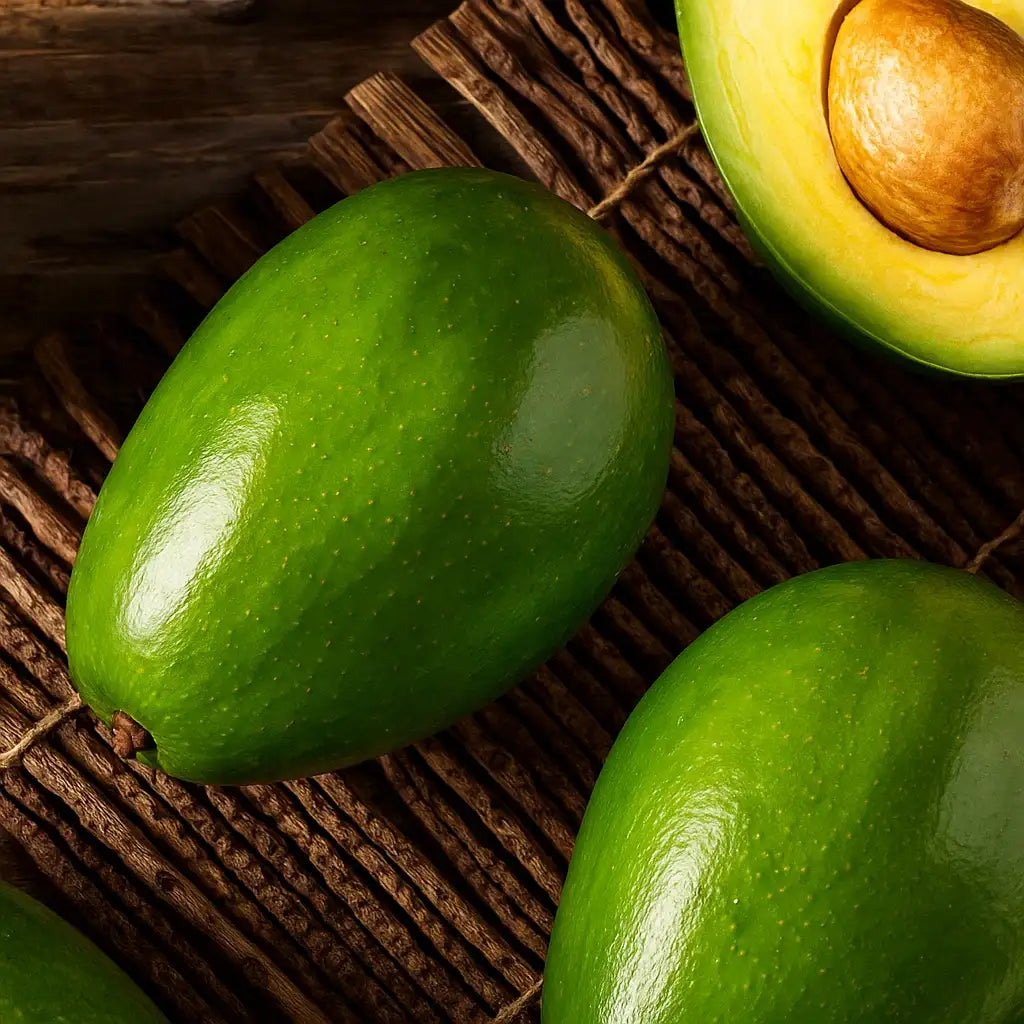
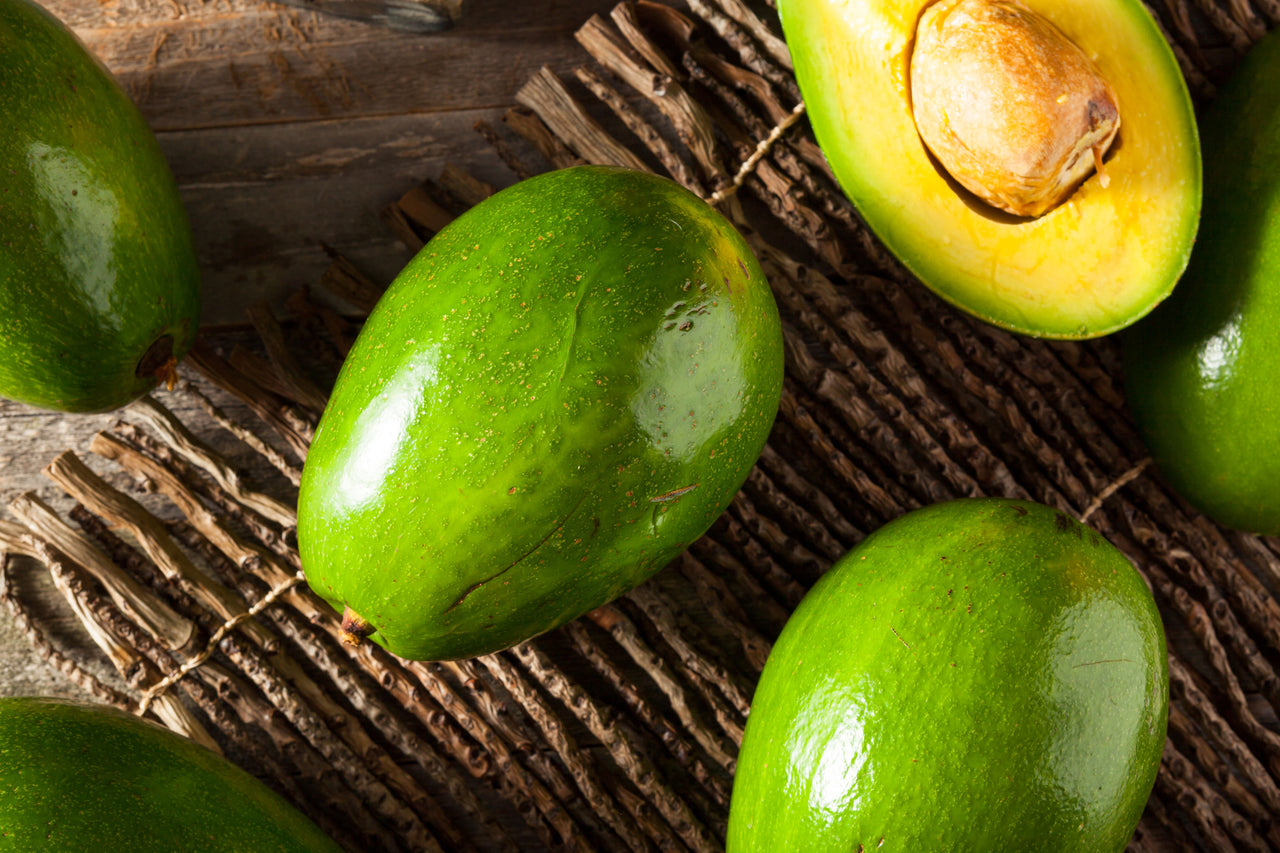
The Bacon Avocado produces medium to large fruit, usually weighing 6 to 12 ounces. The fruit has a distinct oval shape with smooth, thin, dark green skin marked by faint speckles. Inside, the flesh is creamy with a mild, lightly buttery flavor. Its less rich than the popular Hass variety but perfect for those who enjoy a subtler taste. Each fruit contains a relatively large pit, which makes up a good portion of the fruit’s volume. Bacon avocados do not ripen on the tree; instead, they must be harvested and then allowed to soften at room temperature.
Tree Characteristics
The Bacon Avocado Tree has an upright, medium-sized structure, forming a lush canopy of dark green, glossy leaves. It is a late-producing variety, delivering abundant harvests during its fruiting season. The tree’s resilience to cooler temperatures makes it especially popular among home growers in regions where other avocado types may struggle.
Uses
Culinary: The mild, creamy flavor of Bacon avocados makes them versatile in the kitchen. They are excellent for salads, sandwiches, guacamole, avocado toast, smoothies, sauces, or simply enjoyed fresh with a sprinkle of salt.
Health Benefits: Like other avocados, Bacon avocados are rich in heart-healthy monounsaturated fats, fiber, potassium, and vitamins C, E, and K—making them a nutritious addition to any diet.
Gardening: With their manageable size and cold tolerance, Bacon Avocado Trees are well-suited for home gardens in climates across the Southwest, California, and beyond.
Important Considerations
Pollination: As a Type B avocado, the Bacon benefits from cross-pollination with Type A varieties such as Hass to maximize fruit production.
Storage: Once harvested, Bacon avocados typically ripen within 7 to 10 days. Keep them at room temperature until soft, then refrigerate to extend freshness.