



Get notified
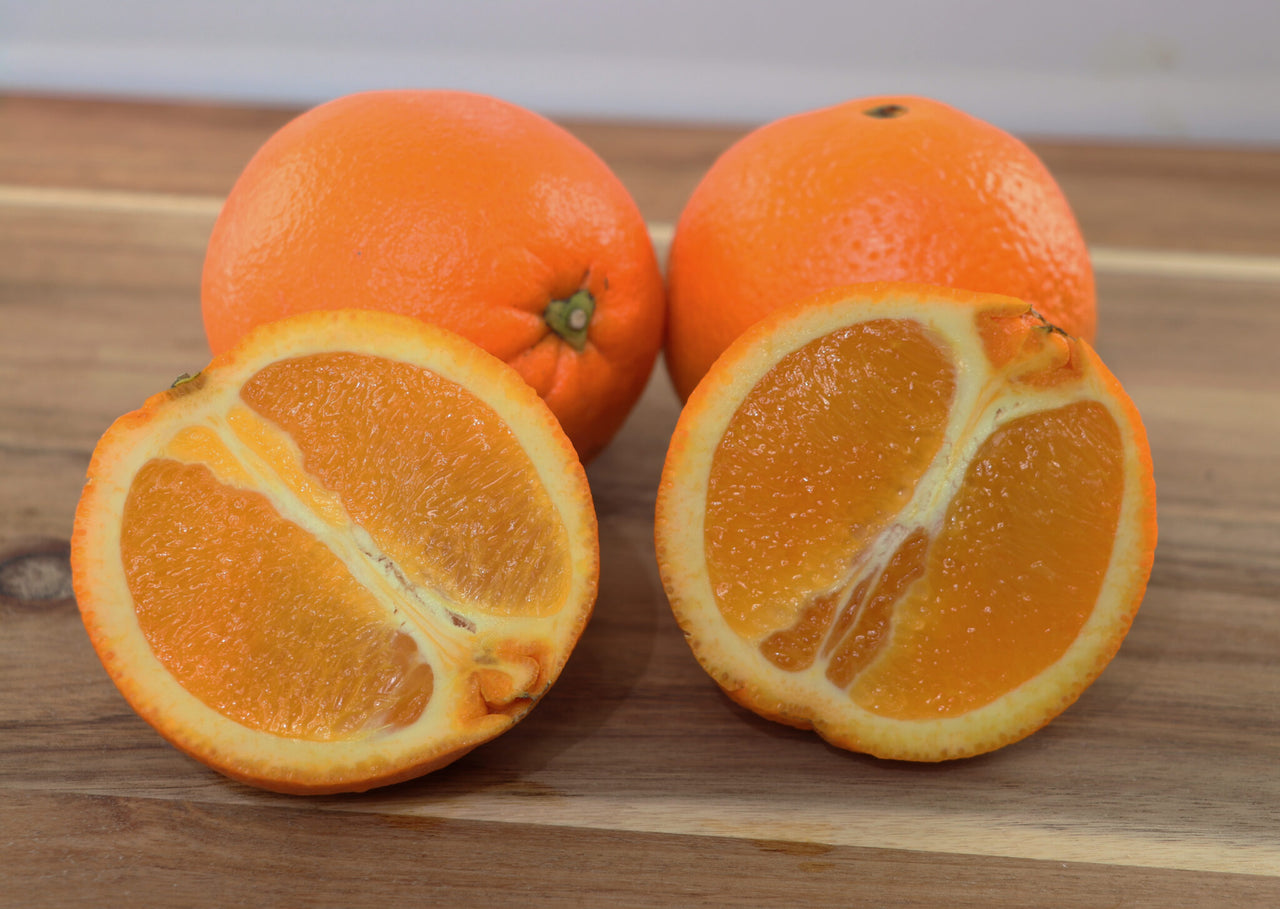
The Washington navel orange tree (Citrus sinensis) is a popular variety of sweet orange known for its seedless and easy-to-peel fruit. It's one of the most widely grown and consumed orange varieties in the world.
Here are some key characteristics and information about the Washington navel orange tree:
- Origin: The Washington navel orange originated in Brazil in the early 19th century. It was later introduced to the United States, specifically to Riverside, California, in 1870.
-
Fruit Characteristics:
- Seedless: One of the defining characteristics of the Washington navel orange is that it is almost entirely seedless, making it a favored choice for eating out of hand.
- Easy to Peel: The fruit is also known for being easy to peel, which is convenient for consumption.
-
Tree Characteristics:
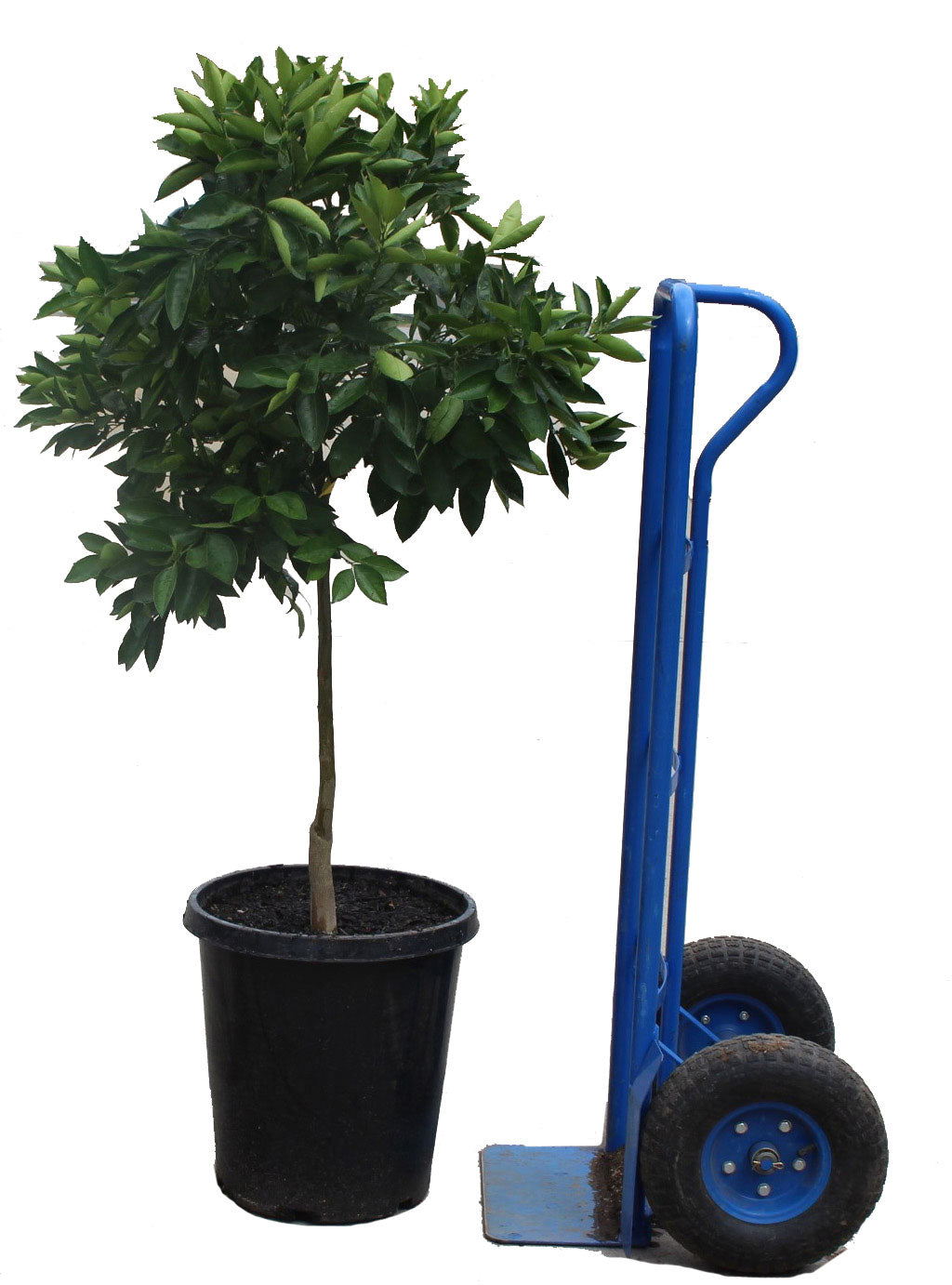
- Growth Habit: The Washington navel orange tree is typically a medium-sized tree with a rounded canopy.
- Leaves: The leaves are glossy, oval-shaped, and dark green in color.
-
Climate and Growing Conditions:
- Climate: These trees thrive in subtropical to Mediterranean climates. They prefer mild, frost-free winters and warm, dry summers.
- Soil: They do well in well-drained soil with a slightly acidic to neutral pH level.
-
Cultivation:
- Propagation: They can be propagated from seeds, but for consistent fruit quality, it's better to use grafting techniques.
- Spacing: Trees should be planted about 10 to 15 feet apart.
-
Harvesting:
- Washington navel oranges are typically harvested in the late fall through early spring months, depending on the specific climate and growing conditions.
-
Common Uses:
- These oranges are primarily eaten fresh, either on their own or in salads and desserts.
- They are also used for making juices and jams due to their sweet and flavorful juice.
-
Pests and Diseases:
- Like all citrus trees, the Washington navel orange tree can be susceptible to pests like aphids, scale insects, and citrus leafminer. Diseases like citrus canker and greening can also be problematic.
-
Popular Varieties:
- Besides the Washington navel, there are other types of navel oranges, such as the Cara Cara navel and the Late navel.
-
Commercial Importance:
- Washington navel oranges are a major commercial crop in many citrus-growing regions around the world, especially in California, USA.
Step One:
Soil and Planting: Plant in soil that drains well. Dig a hole that is as deep as the tree’s roots and at least twice as wide.
Step Two:
Place the tree in the hole and backfill around the plant’s roots with a mixture of the native soil and high-quality planting mix that has washed sand and organic fertilizer.
Step Three:
Create a basin around the roots drip zone so that water collects. Water deeply until the roots and nearby soil is saturated and reaches field capacity.
Paradise Nursery Orange Tree Care Guide
Water orange trees about 2 - 3 times per week depending on the soil, season, conditions, and plant health. Reduce irrigation frequency in the Winter and increase in the Summer.
Fertilize orange trees with citrus food seasonally. However, the most important time to fertilize your orange trees is the Spring and Summer.
Pruning orange trees in the Winter when the weather is cooler. Thin your orange trees in the Spring and Summer.
Orange trees grow strong and can grow large. Please note Paradise Nursery's is available to provide home orchard services for our customers in Los Angeles County.