






Get notified
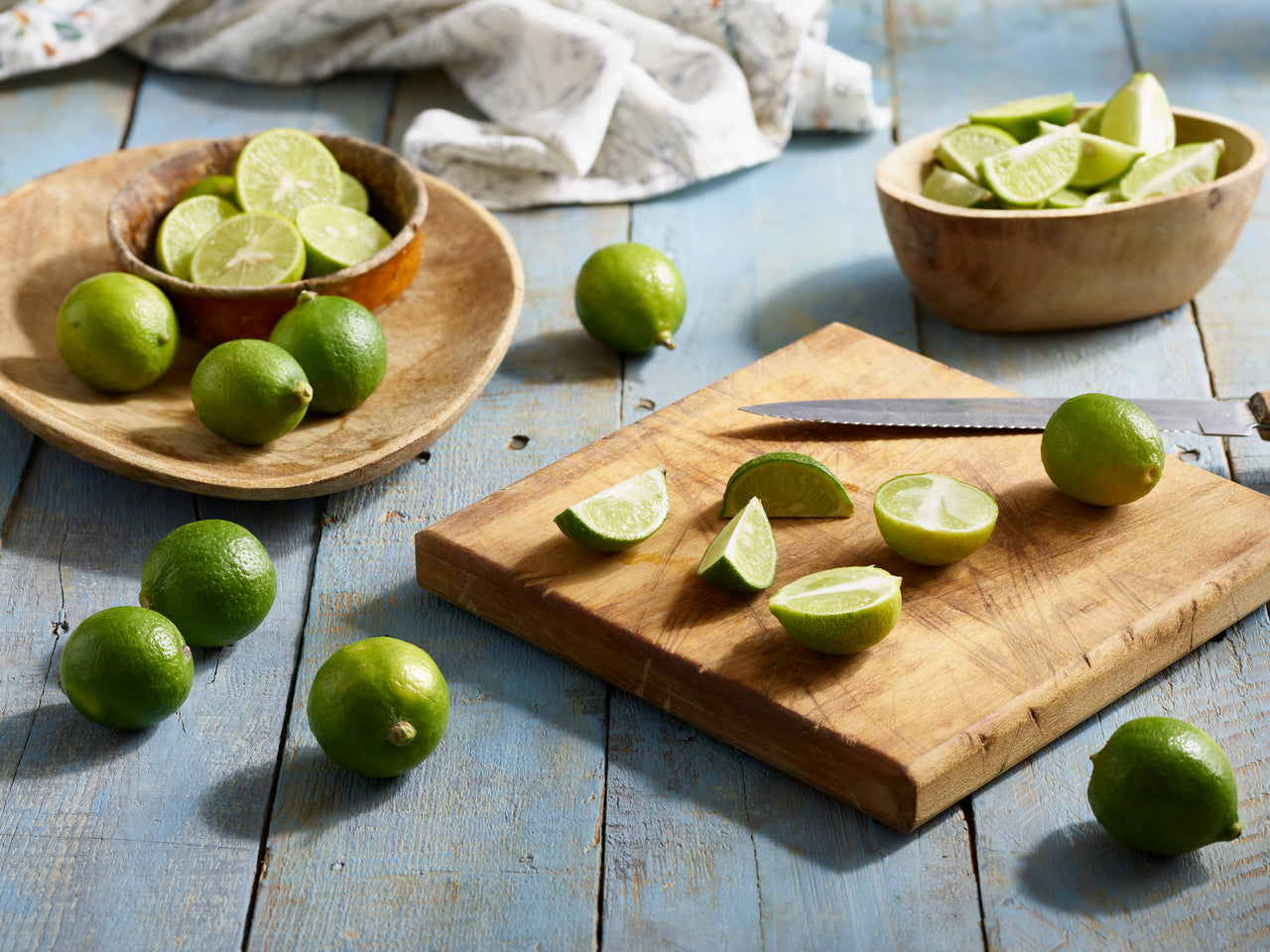
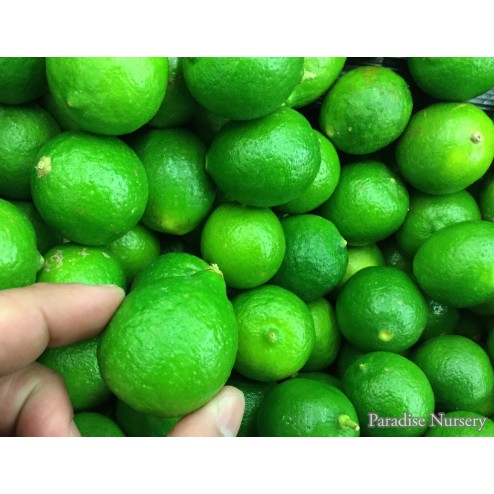
The Key Lime tree is known for producing small, juicy, tart, and delicious fruits. These limes are often used in beverages like tequila shots or sliced and placed in the neck of a glass beer bottle. The tree is vigorous and prolific, with fruits that are harvested green and consumed when they turn yellow.
Planting and Growing Conditions
- Sunlight: Thrives in full sun; requires at least 6-8 hours of direct sunlight daily.
- Soil: Prefers well-draining, sandy loam soil with a slightly acidic to neutral pH (6.0 to 7.5).
- Watering: Requires regular watering, especially during dry spells. Soil should be moist but not waterlogged.
- Temperature: Best suited for warm climates; sensitive to frost and should be protected or moved indoors in cooler regions.
Care and Maintenance
- Fertilization: Use a balanced citrus fertilizer during the growing season to promote healthy growth and fruit production.
- Pruning: Prune in late winter or early spring to remove dead or crossing branches and to maintain shape.
- Pest Control: Monitor for common pests like aphids, scale insects, and citrus leaf miners. Employ appropriate organic or chemical treatments as needed.
Harvesting Key Limes
- Timing: Fruits are typically harvested when green but can be left on the tree until they turn yellow for increased sweetness.
- Method: Gently twist and pull the fruit from the branch to avoid damaging the tree.
- Frequency: In optimal conditions, Key Lime trees can produce fruit year-round, with peak seasons in late summer to early fall.
Culinary Uses of Key Lime Fruit
- Beverages: Enhances the flavor of cocktails, beers, and non-alcoholic drinks.
- Cooking and Baking: Essential ingredient in Key Lime pie, marinades, and dressings.
- Garnishes: Adds a fresh, citrusy touch to various dishes and desserts.
Step One:
Soil and Planting: Plant in soil that drains well. Dig a hole that is as deep as the tree’s roots and at least twice as wide.
Step Two:
Place the tree in the hole and backfill around the plant’s roots with a mixture of the native soil and high-quality planting mix that has washed sand and organic fertilizer.
Step Three:
Create a basin around the roots drip zone so that water collects. Water deeply until the roots and nearby soil is saturated and reaches field capacity.