

Get notified
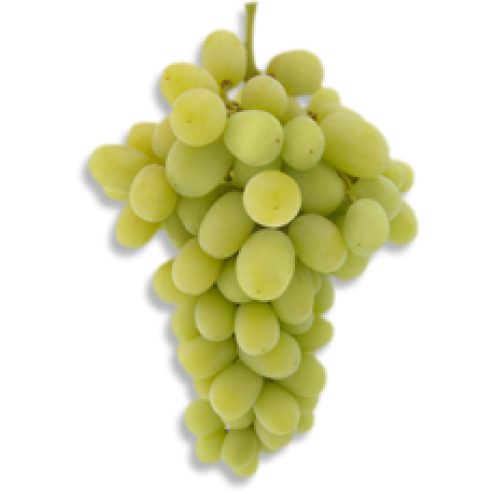
Plant the Princess Seedless Grape vine in full sun. This woody deciduous vine is ideal for training on a trellis, wall, arbor, or post. When planting, space the vines as close as 6 feet apart. The flowers are self-fruitful but require heat to mature the fruit. Grape vines also serve as an ornamental addition to the landscape.
Watering, Pruning, and Fertilizing the Grape Vine
Watering Instructions
- Winter Dormancy: Do not provide supplemental water during the winter when the vine is dormant.
- Spring and Summer: Begin watering once the plant leafs out in the spring, irrigating about once per week. Increase the frequency to 2-3 times per week during hot summer months.
- Fall: Reduce the irrigation frequency as temperatures cool to prevent overwatering, as excessive moisture can lead to fungal issues.
Pruning Instructions
- Winter Pruning: Prune grape vines during winter dormancy to prepare for spring growth. The flowers and fruit grow on new canes, so annual pruning is necessary to keep the growth healthy and rejuvenated each year.
Fertilization Instructions
- Soil Preparation: Till the top layer of soil in winter and apply manure and organic fertilizers before spring growth.
- Spring Fertilization: Use a balanced organic fruit tree fertilizer with a 1-1-1 or 2-1-1 NPK ratio (e.g., 5-5-5 or 6-3-3) in the spring to promote healthy growth.
- Summer Fertilization: Reapply growth formula fertilizer during the summer.
- Fall: Avoid fertilizing in the fall as the vine’s growth slows. Instead, apply a fertilizer with low nitrogen and higher phosphorus and potassium, such as a 1-2-2 or 1-4-4 NPK ratio (e.g., 4-12-12).
Pest and Disease Management
- Fungal Prevention: Grape vines can be affected by fungi such as powdery mildew and rust. Ensure the soil is not overly wet to prevent fungal issues.
- Organic Fungicides: Use an organic fungicide like Liqui-Cop or horticultural Neem oil to prevent or treat common fungal diseases such as powdery mildew.
History of the Princess Seedless Grape Vine
The Princess Seedless Grape vine is a relatively modern cultivar, developed in the 1990s by the USDA Agricultural Research Service. It was specifically bred to combine the high-quality flavor of traditional seeded varieties with the convenience of seedlessness. Its excellent flavor, larger size, and heat tolerance make it a favorite among both home gardeners and commercial vineyards.
Step One:
Soil and Planting: Plant in soil that drains well. Dig a hole that is as deep as the tree’s roots and at least twice as wide.
Step Two:
Place the tree in the hole and backfill around the plant’s roots with a mixture of the native soil and high-quality planting mix that has washed sand and organic fertilizer.
Step Three:
Create a basin around the roots drip zone so that water collects. Water deeply until the roots and nearby soil is saturated and reaches field capacity.