



Get notified
Moro Blood Orange Tree
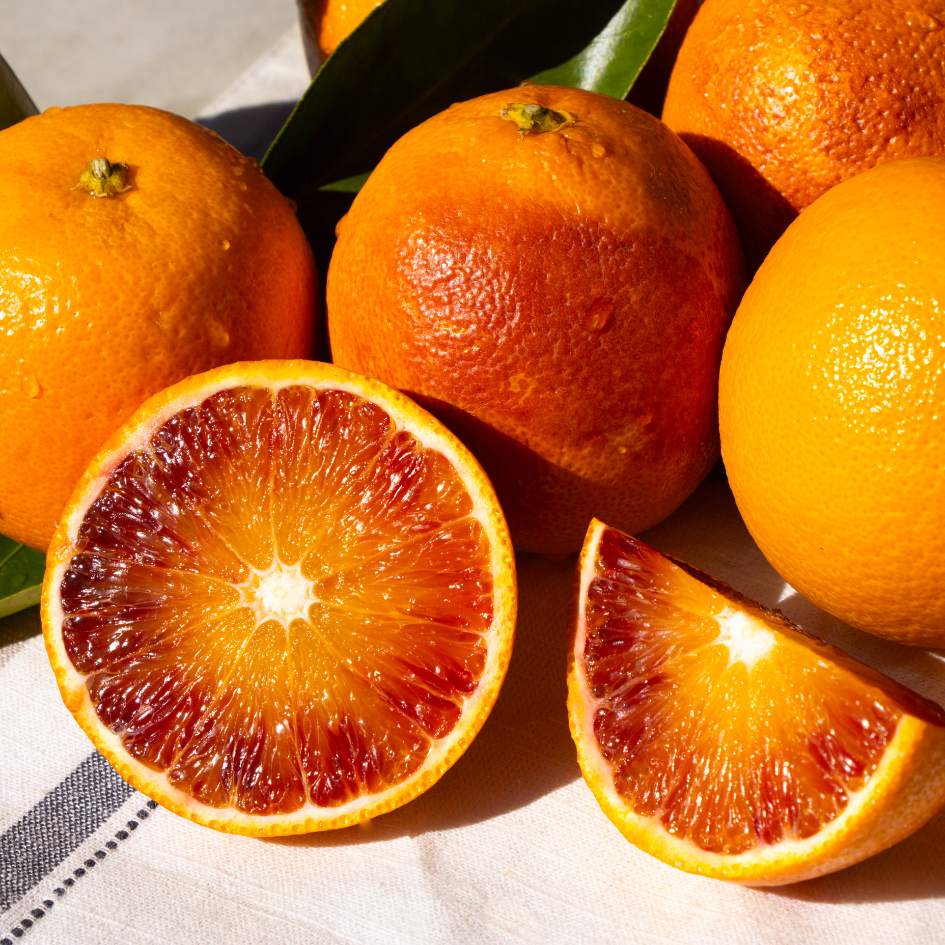
The Moro Blood orange tree is either native to the southern Mediterranean in Sicily, Italy or China. Marmalade and zest for baking are made from blood oranges. Make a winter salad mixed with sliced bulb fennel and olive oil. Blood orange is also used to create gelato, sorbet, and soda's in Italy. It is also popular in vinaigrette-style dressings and to flavor some micro beers. Blood oranges are healthy, and a great source of vitamin C, like all citrus fruits. Also a valuable source of dietary fiber, calcium, thiamine, and folate. The distinct maroon color comes from anthocyanin pigments. These develop when temperatures are low during winter nights. Blood oranges grown in the United States are in season from December to March (Texas), and from November to May (California).
Fruit Description:
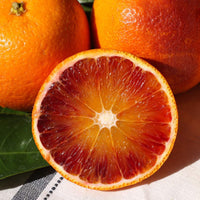
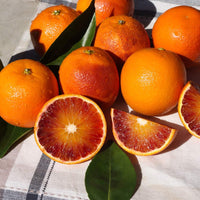
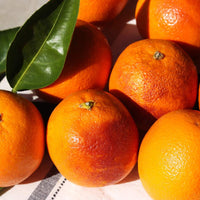
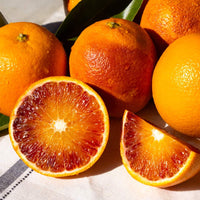
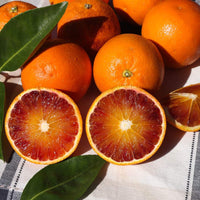
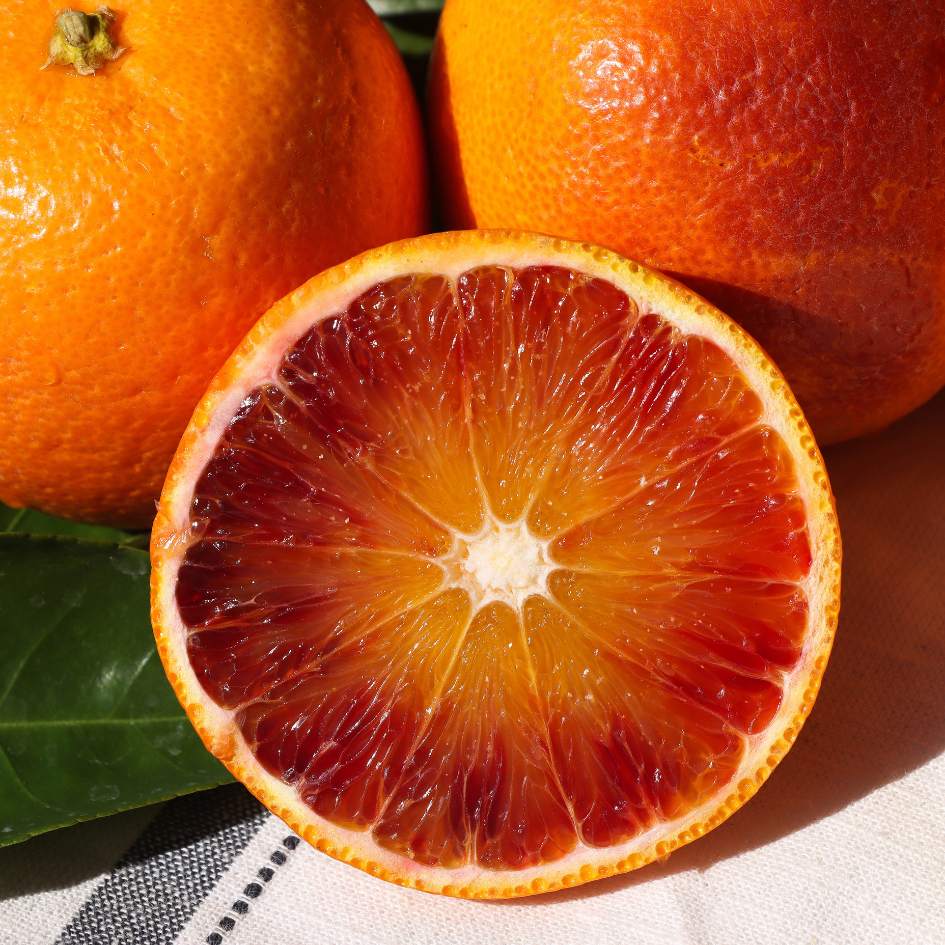
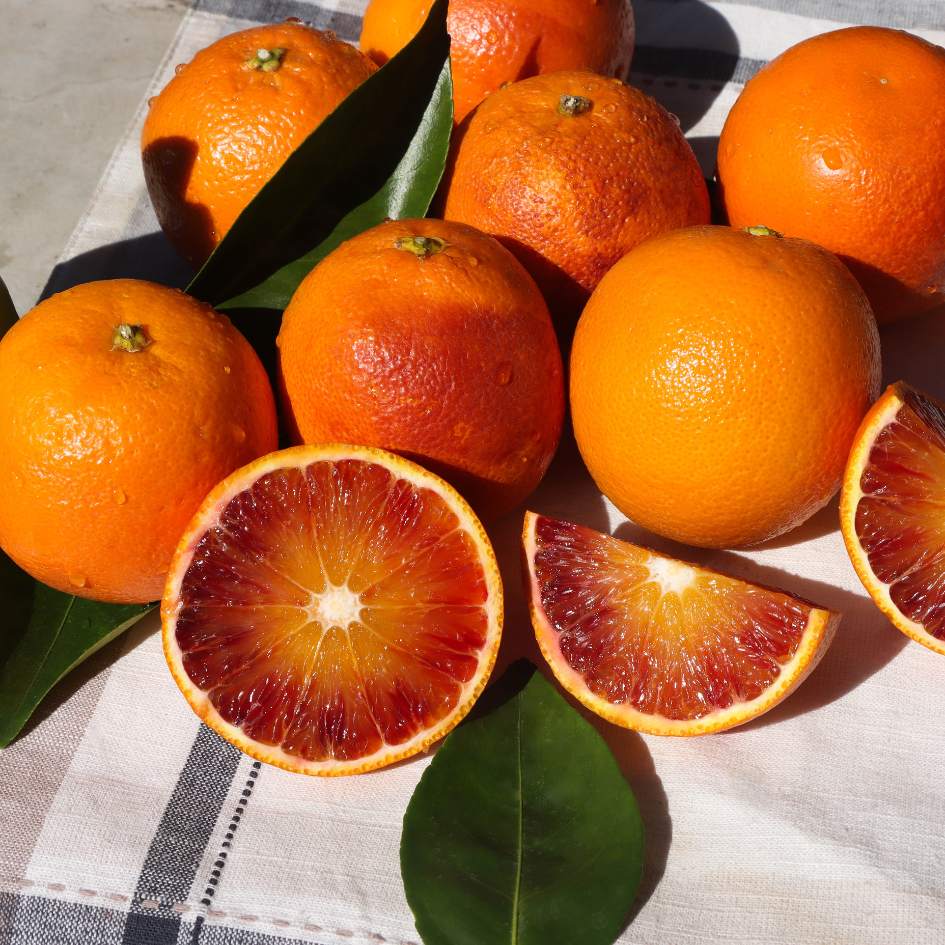
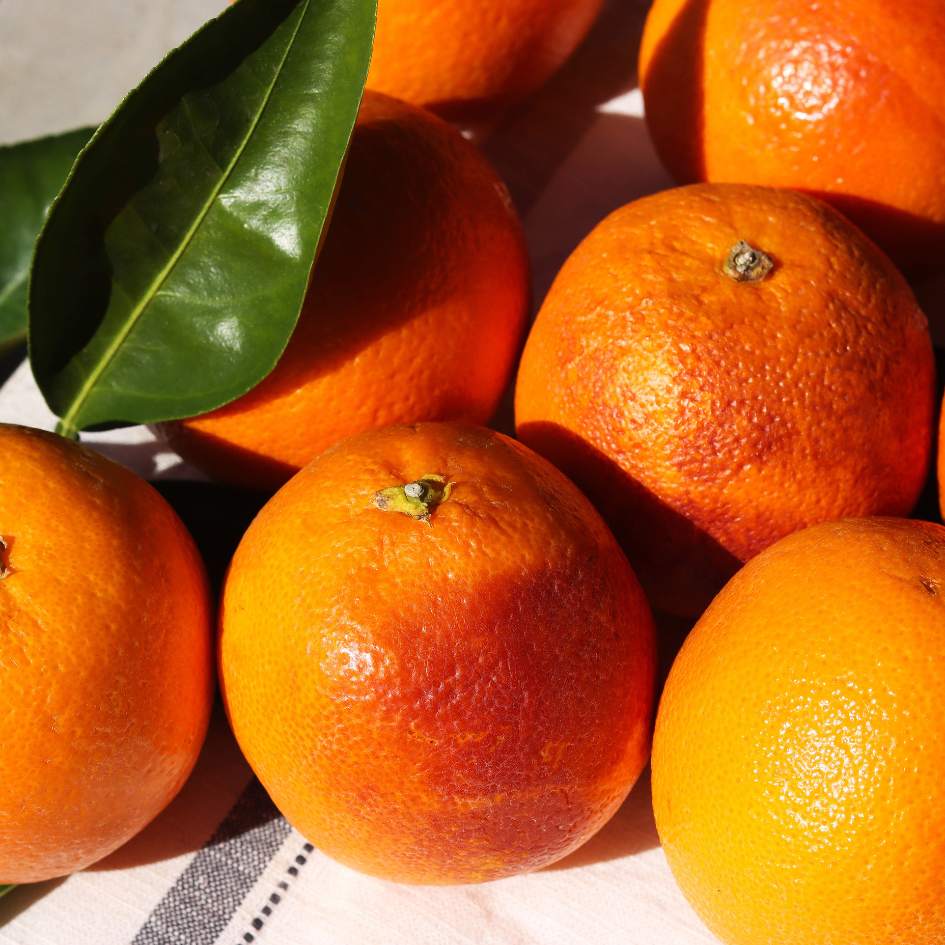
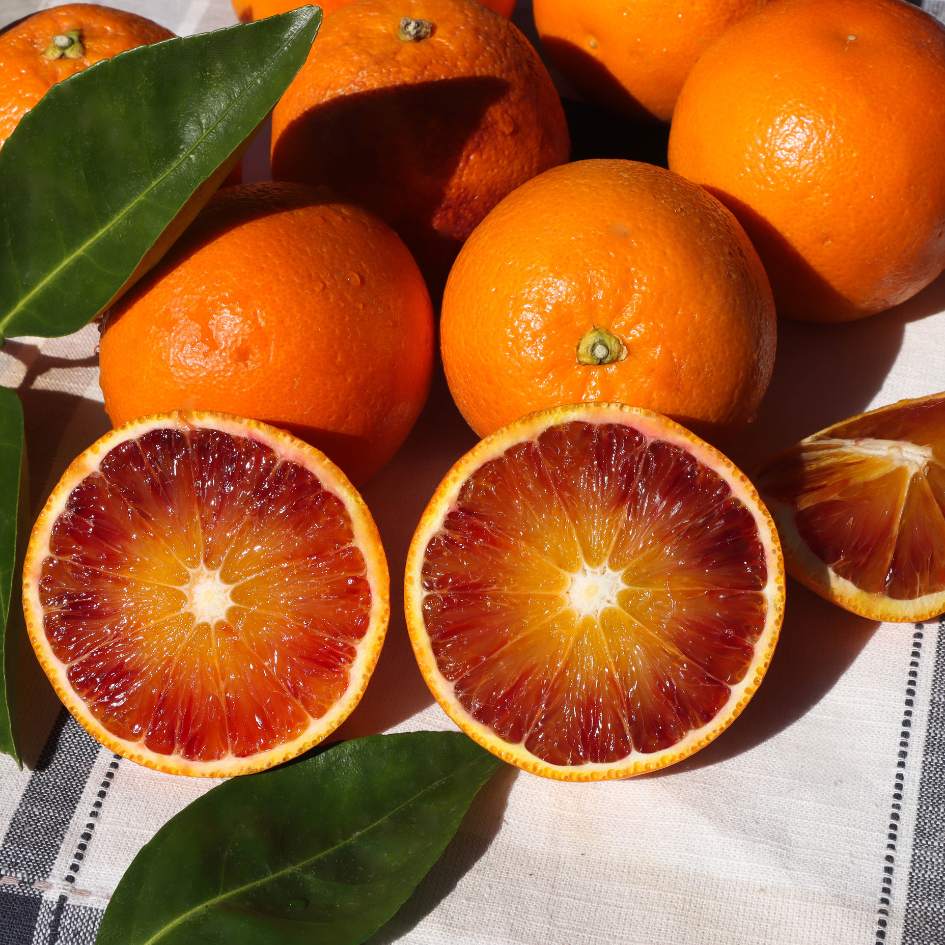
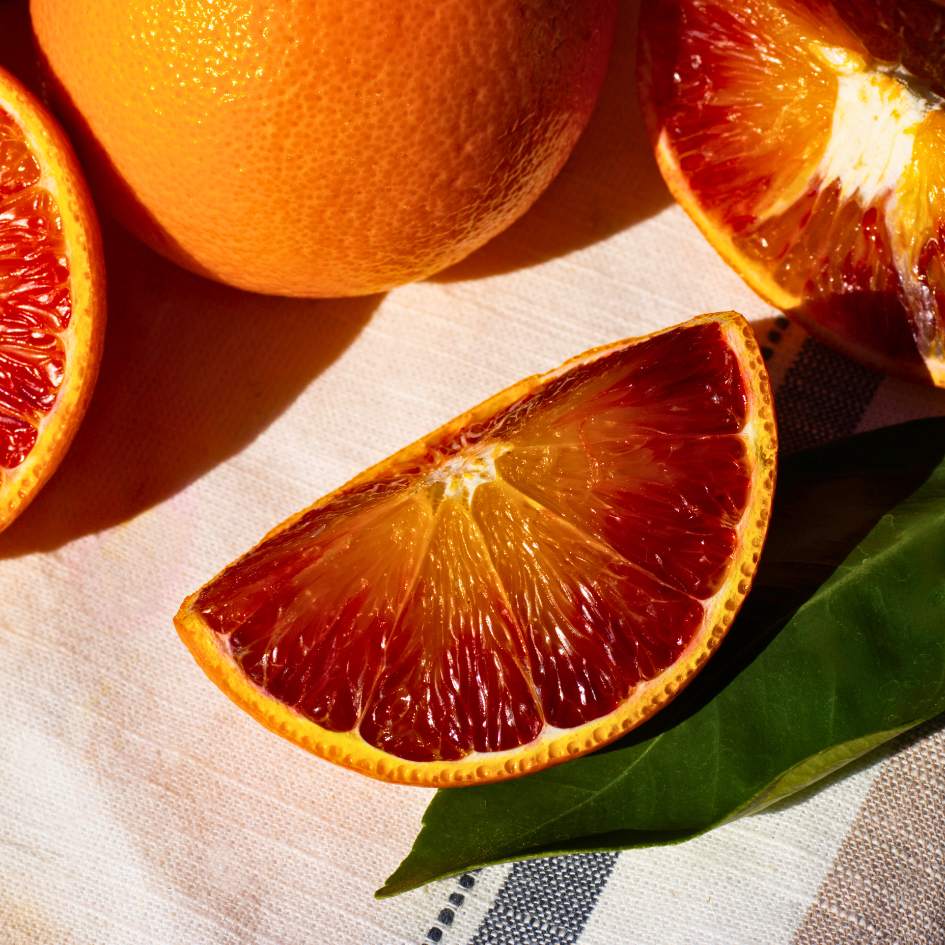
Moro Blood Oranges are renowned for their striking appearance. Blood oranges are medium in size and with a distinctive crimson interior that gets its color from the presence of anthocyanin pigments. The flavor is a perfect balance of sweet and tart, making it a culinary delight.
Tree Description:
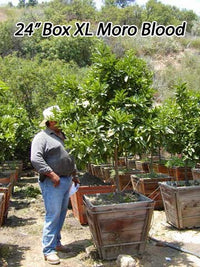
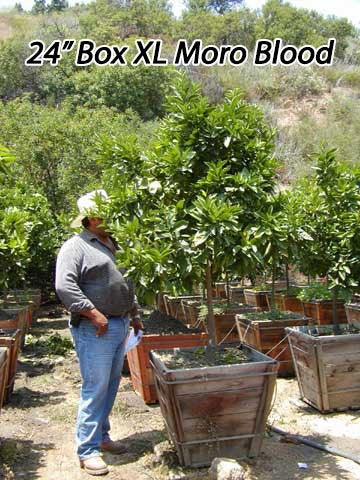
Moro Blood Orange trees are evergreen citrus trees with glossy, dark green leaves. They produce fragrant white flowers. The roots are fibrous, anchoring the tree securely. The bark is smooth and brown, providing an attractive contrast to the vibrant foliage.
Uses:
Moro Blood Oranges are not only a visual delight but also a culinary treasure. Their juicy, flavorful fruit is perfect for fresh consumption, juicing, or adding a zesty touch to dishes. Rich in vitamin C and antioxidants, they are both delicious and nutritious.
History:
The Moro Blood Orange has a long history, believed to originate in the Mediterranean region, specifically Sicily. Over the years, it has become a symbol of quality and excellence. This unique variety remains integral to culinary traditions, adding its distinct flavor and color to a variety of dishes.
Step One:
Soil and Planting: Plant in soil that drains well. Dig a hole that is as deep as the tree’s roots and at least twice as wide.
Step Two:
Place the tree in the hole and backfill around the plant’s roots with a mixture of the native soil and high-quality planting mix that has washed sand and organic fertilizer.
Step Three:
Create a basin around the roots drip zone so that water collects. Water deeply until the roots and nearby soil is saturated and reaches field capacity.