

Get notified
Fantasia Nectarine Tree
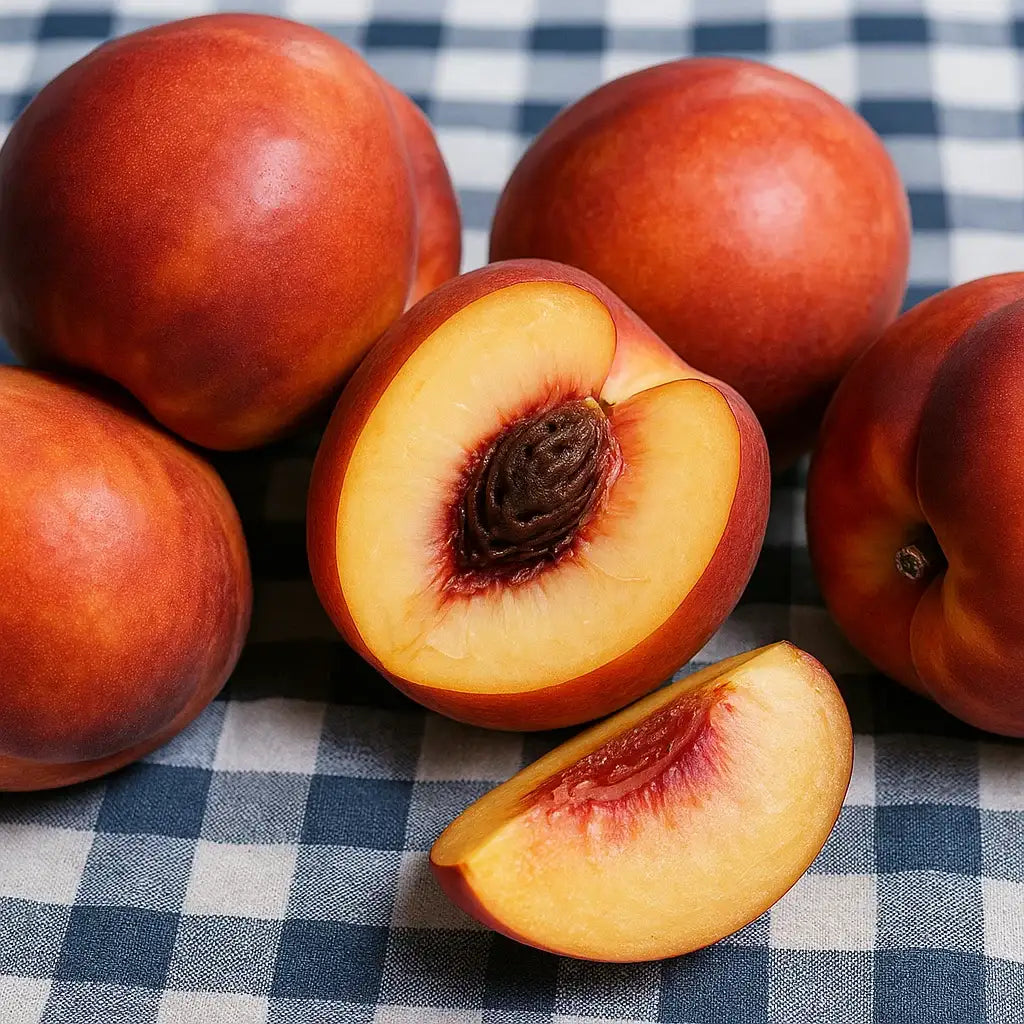
The Fantasia Nectarine Tree is a highly prized variety known for producing large, yellow freestone nectarines with exceptional flavor. It is especially popular for its unique ripening profile—early in the harvest season, the fruit is firm-ripe with a tangy, refreshing zest, while later harvests yield nectarines that are sweet, juicy, and richly flavored. This adaptability makes Fantasia one of the most versatile and sought-after nectarine varieties.
Climate & Growing Conditions
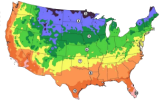
The Fantasia Nectarine Tree typically ripens in late July through early August in Central California, though harvest times may vary slightly by region. With a chilling requirement of approximately 500 hours or less, this variety is well-suited for many different climates. The tree is self-fruitful, meaning it does not require a second tree for pollination, though planting multiple trees can improve overall yields.
Fruit Description
Fantasia nectarines are celebrated for their large size, bright golden-yellow skin, and vibrant flavor. Early in the season, the fruit offers a firm, crisp texture with a tangy, sweet-tart taste. As the season progresses, the nectarines develop a richer sweetness and luscious juiciness, making them highly rated in flavor trials. The yellow flesh is succulent and aromatic, making these nectarines ideal for fresh eating or culinary use.
Fantasia Nectarine Tree Characteristics
The Fantasia Nectarine Tree is both productive and ornamental. In spring, it bursts into bloom with beautiful blossoms that attract pollinators and signal the start of fruit development. During summer, its lush green canopy provides a striking presence in the garden. With a strong root system and healthy growth habit, this tree establishes well and produces reliable crops year after year.
Uses
Fantasia nectarines are extremely versatile:
-
Early Harvest: Firm-ripe fruits add a tangy brightness to salads, salsas, and savory dishes.
-
Later Harvest: Sweet, juicy nectarines are perfect for snacking, desserts, smoothies, and jams.
-
Culinary Creations: Their large size, rich flavor, and attractive color make them ideal for fruit salads, baked goods, and platters.
History of Nectarines
Nectarines have a fascinating history stretching back thousands of years:
-
Origins: Though the botanical name Prunus persica suggests ties to Persia (Iran), nectarines were first cultivated in China around 6000 BC, particularly in the Zhejiang Province.
-
Spread: From China, they traveled westward to Iran, Greece, and Rome, reaching northern Europe and England by the 16th century.
-
Introduction to the U.S.: Spanish settlers introduced nectarines to the Americas, where they found an ideal home in California’s sunny climate.
-
Development: Through centuries of cultivation and selective breeding, nectarines have evolved into the many flavorful varieties enjoyed today, with Fantasia being one of the most popular for both home gardens and commercial orchards.
Step One:
Soil and Planting: Plant in soil that drains well. Dig a hole that is as deep as the tree’s roots and at least twice as wide.
Step Two:
Place the tree in the hole and backfill around the plant’s roots with a mixture of the native soil and high-quality planting mix that has washed sand and organic fertilizer.
Step Three:
Create a basin around the roots drip zone so that water collects. Water deeply until the roots and nearby soil is saturated and reaches field capacity.