

Get notified
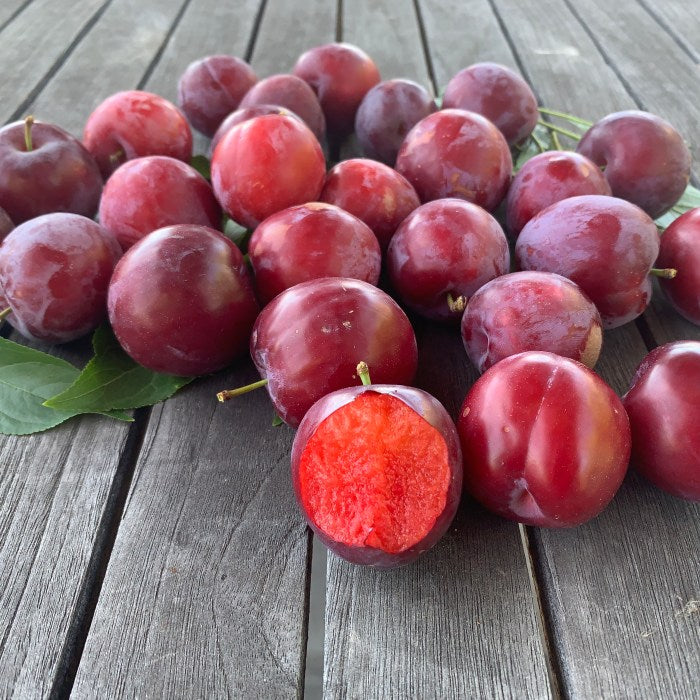
Burgundy Plum Tree
The Burgundy Plum Tree is a compact and productive fruit tree, prized for its adaptability and ease of care. Thriving in full sun, this variety can also tolerate partial shade, making it a versatile option for home gardens. Its relatively small size allows for planting in tighter spaces, with a minimum of 10 feet between trees. For those who prefer wider growth or more open spacing, additional distance can be provided during planting.
Climate & Growing Conditions
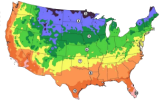
The Burgundy Plum Tree grows best in warm, sunny environments but remains resilient across various climates. Its moderate size makes it ideal for backyard orchards, smaller gardens, or mixed plantings.
Watering Schedule
-
Winter Dormancy – During dormancy, the tree does not require supplemental water.
-
Spring – Begin watering once per week as new growth emerges.
-
Summer – Increase to twice per week in hot weather to support vigorous growth and fruit development.
-
Fall – As temperatures cool, gradually reduce watering until it is discontinued for the winter.
Fertilization
-
Winter Fertilization – Before spring growth begins, apply fertilizers rich in phosphorus and potassium, such as bone meal, humus, or manure, to prepare the tree for the season.
-
Spring & Summer Fertilization – Transition to fertilizers higher in nitrogen, such as blood meal or balanced granular fertilizers, to encourage active growth and maximize fruit production.
Burgundy Plum Tree Pruning
-
Winter Pruning – While dormant, prune the tree to maintain its shape, size, and structure.
-
Summer Thinning – In summer, remove dry or damaged branches, thin excess fruit, and cut back suckers to promote healthy growth and prevent the tree from being overloaded with fruit.
Pest & Fruit Protection
-
Winter Pest Control – Apply organic horticultural oils during winter dormancy to prevent soft-bodied insects from infesting the tree during the growing season.
-
Fruit Protection – As plums ripen, protect the harvest from birds and rodents using repellents or by covering the tree with netting.
Step One:
Soil and Planting: Plant in soil that drains well. Dig a hole that is as deep as the tree’s roots and at least twice as wide.
Step Two:
Place the tree in the hole and backfill around the plant’s roots with a mixture of the native soil and high-quality planting mix that has washed sand and organic fertilizer.
Step Three:
Create a basin around the roots drip zone so that water collects. Water deeply until the roots and nearby soil is saturated and reaches field capacity.