

Get notified
Black Monukka Grape Vine
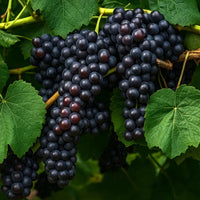
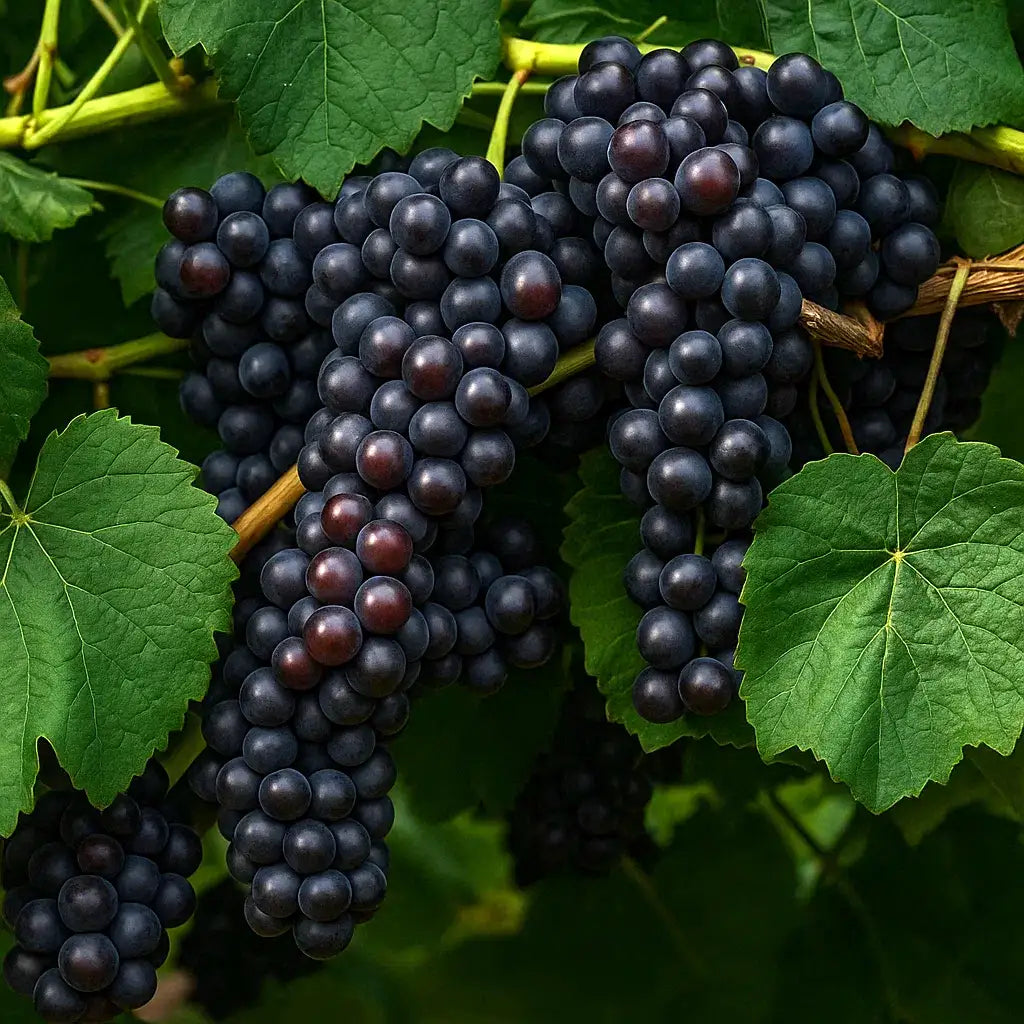
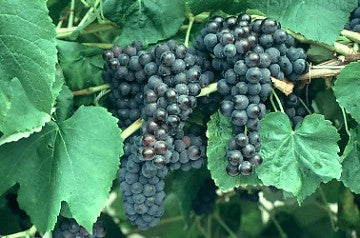
The Black Monukka Grape Vine is a hardy, woody, deciduous vine prized for its seedless, sweet, and flavorful grapes. Known for thriving in warm climates with plenty of sunshine, this variety produces clusters of crisp, dark-purple fruit that are excellent for fresh eating, drying into raisins, or juicing. With its vigorous growth and ornamental appeal, the Black Monukka Grape Vine can be trained along a trellis, arbor, wall, or post, making it both a productive fruit vine and an attractive landscape feature.
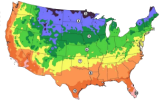
Climate & Growing Conditions
This grapevine flourishes in full sun and requires heat for its fruit to fully mature. It performs best in well-draining soil, which helps prevent waterlogging and reduces the risk of fungal disease. When planting multiple vines, space them about 6 feet apart to ensure healthy growth and good air circulation. The Black Monukka is self-fruitful, meaning it does not require another pollinator variety to set fruit.
Watering Requirements
-
Dormant Period (Winter): Do not provide supplemental irrigation during dormancy.
-
Spring: Begin watering once new leaves emerge, about once per week.
-
Summer: Increase to 2–3 times per week during hot weather to maintain vigorous growth and healthy fruit.
-
Fall: Reduce watering as temperatures cool and growth slows.
Pruning Instructions
Pruning is essential for maintaining a productive vine:
-
Winter Pruning: During dormancy, prune back the previous year’s growth. Remove old or unproductive canes and keep healthy new canes for spring growth.
-
Fruit Production: Grapes develop on new canes, making annual pruning critical to encourage flowering and fruiting.
Black Monukka Grape Vine Fertilization
-
Winter: Work manure and organic fertilizers into the topsoil before spring growth begins.
-
Spring: Apply a balanced organic fertilizer with a 1-1-1 or 2-1-1 NPK ratio (e.g., 5-5-5 or 6-3-3) to promote healthy development.
-
Summer: Reapply the growth formula fertilizer to support fruit production.
-
Fall: Avoid high-nitrogen fertilizers. Instead, use a low-nitrogen, high-phosphorus, and potassium formula (e.g., 4-12-12) to harden the vine for the next season.
Pest & Disease Management
-
Fungal Susceptibility: Like many grape varieties, the Black Monukka can be prone to powdery mildew and rust. Ensure good airflow and avoid overwatering to minimize risk.
-
Organic Control: Treat or prevent fungal issues with organic fungicides such as liqui-cop or horticultural neem oil.
Step One:
Soil and Planting: Plant in soil that drains well. Dig a hole that is as deep as the tree’s roots and at least twice as wide.
Step Two:
Place the tree in the hole and backfill around the plant’s roots with a mixture of the native soil and high-quality planting mix that has washed sand and organic fertilizer.
Step Three:
Create a basin around the roots drip zone so that water collects. Water deeply until the roots and nearby soil is saturated and reaches field capacity.