



Get notified
Beverly Hills Apple Tree
The Beverly Hills Apple Tree is a highly regarded summer apple variety, especially beloved along the coastal regions of Southern California. Known for its adaptability, reliability, and flavor, this tree produces medium-sized apples that are both beautiful and delicious. With its pale yellow skin highlighted by a red blush or striping, the Beverly Hills Apple delivers a crisp texture and a perfect balance of sweetness and tartness.
Climate & Growing Conditions
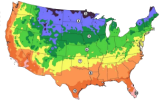
The Beverly Hills Apple Tree requires only about 300 chill hours, making it well-suited for regions with mild winters and coastal climates. It is especially popular in Southern California, where it thrives and produces consistent harvests. This variety performs well in USDA Zones 5–10, giving it a broad range of adaptability across different growing regions. The tree is self-fruitful, so it can produce on its own, though cross-pollination with another low-chill apple variety may enhance yields.
Beverly Hills Apple Fruit Description
The Beverly Hills Apple is medium-sized with a pale yellow base color accented by red stripes or blush, making it visually striking. Its crisp, juicy flesh provides a refreshing eating experience with a harmonious blend of sweetness and tartness. These apples are excellent fresh off the tree but also retain their character when cooked, making them a versatile choice for both snacking and culinary use.
Tree Characteristics
Beyond its productivity, the Beverly Hills Apple Tree adds ornamental beauty to any landscape. In spring, its showy blossoms attract pollinators and bring bursts of color to the garden. The tree’s lush green foliage forms a vibrant canopy, while its strong roots ensure stability and healthy nutrient absorption. Its textured bark further enhances its visual appeal, making it both a productive and attractive addition to home gardens.
Uses
The Beverly Hills Apple is versatile in the kitchen and in the orchard. Its crisp texture and balanced flavor make it an enjoyable fresh-eating apple, while its tart notes also shine in pies, sauces, preserves, and other desserts. In addition to its culinary value, the tree provides ornamental beauty, bringing shade, flowers, and colorful fruit to any landscape.
Step One:
Dig a hole twice as wide and as deep as the root ball
Step Two:
Mix half of the soil that is dug out with the same amount of planting mix
Step Three:
Place the tree in the center of the hole with the top of the root ball level with the ground
Step Four:
Backfill with the amended soil
Step Five:
Use the rest of the dug up soil to create a berm around the tree
Step Six:
Spread planting mix over there soil inside the berm
Step Seven:
Top dress with fertilizer
Step Eight:
Flood the well with water to get it saturated