

Get notified
Babcock Peach Tree Information and Care
The Babcock Peach tree thrives in full sun and well-drained soil. It is a deciduous tree, meaning it sheds its leaves in the fall and enters dormancy during winter. During this time, refrain from irrigating. Begin deep watering in spring as the tree awakens from dormancy, and increase the frequency during the hot summer months to support fruit development.
Use organic fruit tree fertilizers to promote healthy growth and abundant fruit. Apply blossom and fruit fertilizer in the winter to encourage a bountiful bloom in spring. You may also apply manure in cool temperatures to enrich the soil. During the growing season in spring and summer, use an organic nitrogen-based fertilizer to support vigorous growth. Avoid fertilizing in the fall, as this is when the tree begins to reduce growth and prepare for dormancy.
Pruning is an essential aspect of Babcock Peach tree care. In winter, prune to manage the size and shape of the tree, ensuring good air circulation and sunlight penetration. In summer, thin out excess fruits and spurs to prevent energy waste, which can result in smaller, lower-quality peaches.
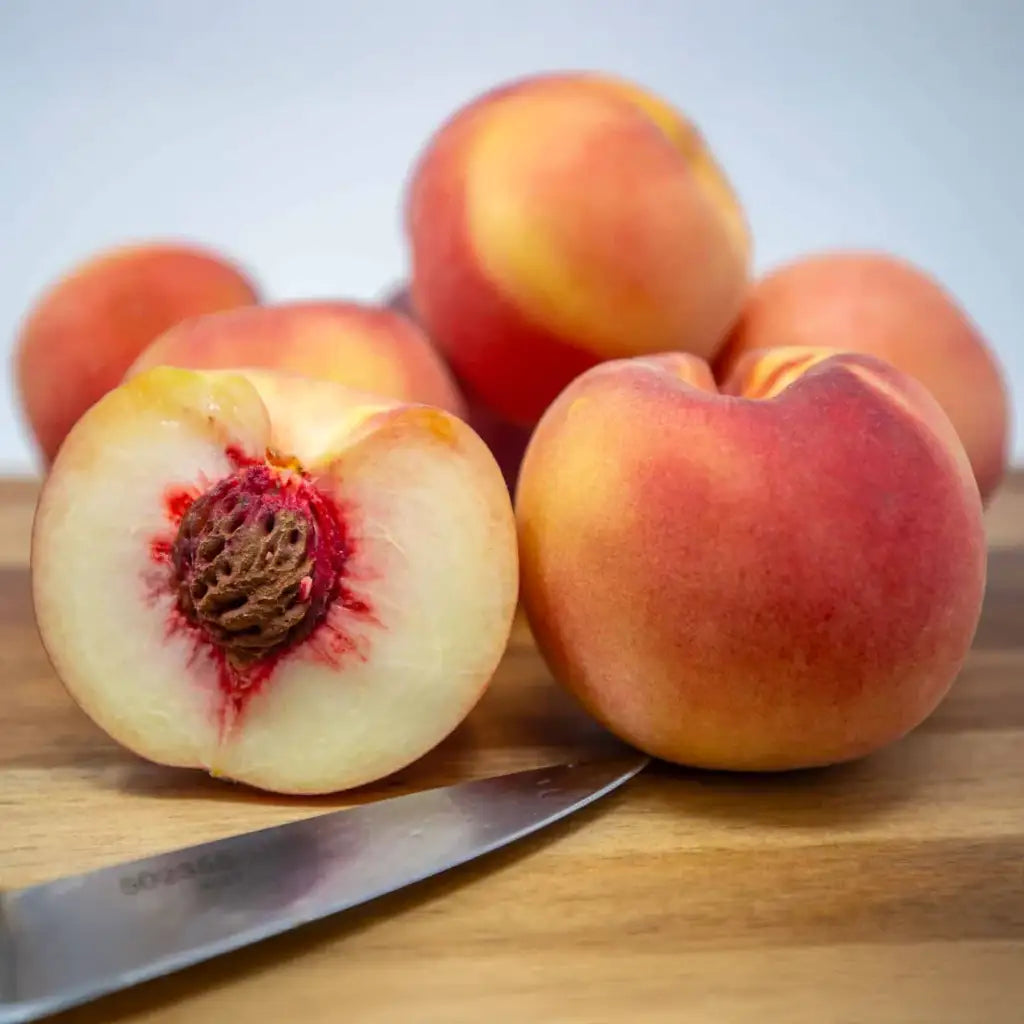
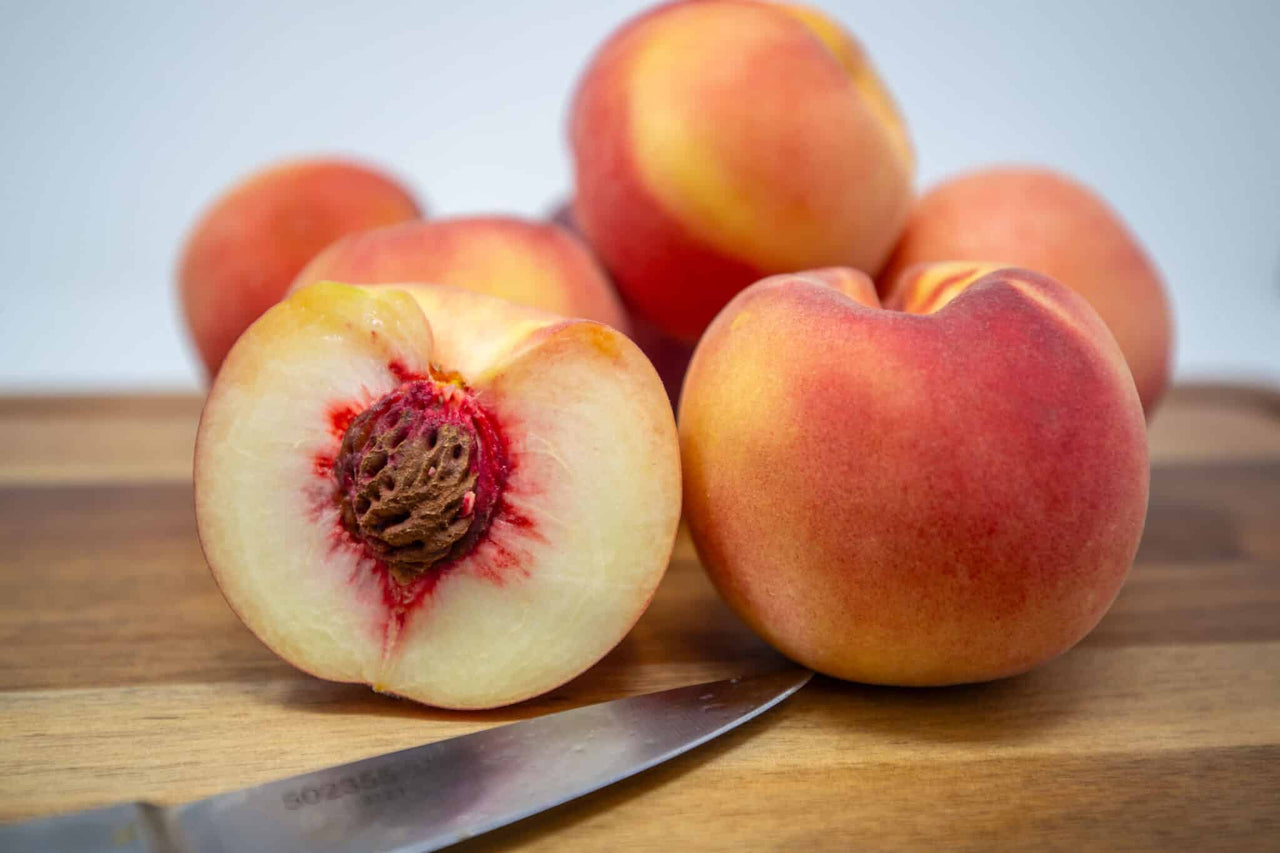
- Harvesting: Babcock peaches are typically harvested in mid to late summer, depending on the climate. They should be picked when they are firm but yielding slightly to pressure. Peaches will continue to ripen after being picked.
- Pollination: Babcock Peach trees are self-pollinating, meaning they do not require another tree for cross-pollination. However, having more than one peach tree can increase overall fruit production.
- Chill Hours: Babcock peaches require about 250-300 chill hours (hours below 45°F) during winter to ensure proper fruit set. This makes them suitable for regions with mild winters.
- Pest and Disease Control: Keep an eye out for common peach tree pests like aphids, peach tree borers, and fungal issues such as peach leaf curl. Applying organic pest control methods and ensuring proper pruning will help keep the tree healthy.
Step One:
Soil and Planting: Plant in soil that drains well. Dig a hole that is as deep as the tree’s roots and at least twice as wide.
Step Two:
Place the tree in the hole and backfill around the plant’s roots with a mixture of the native soil and high-quality planting mix that has washed sand and organic fertilizer.
Step Three:
Create a basin around the roots drip zone so that water collects. Water deeply until the roots and nearby soil is saturated and reaches field capacity.