


Get notified
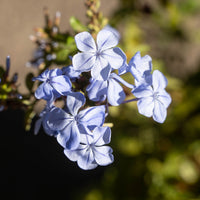
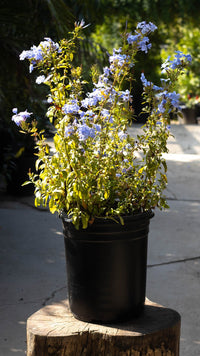
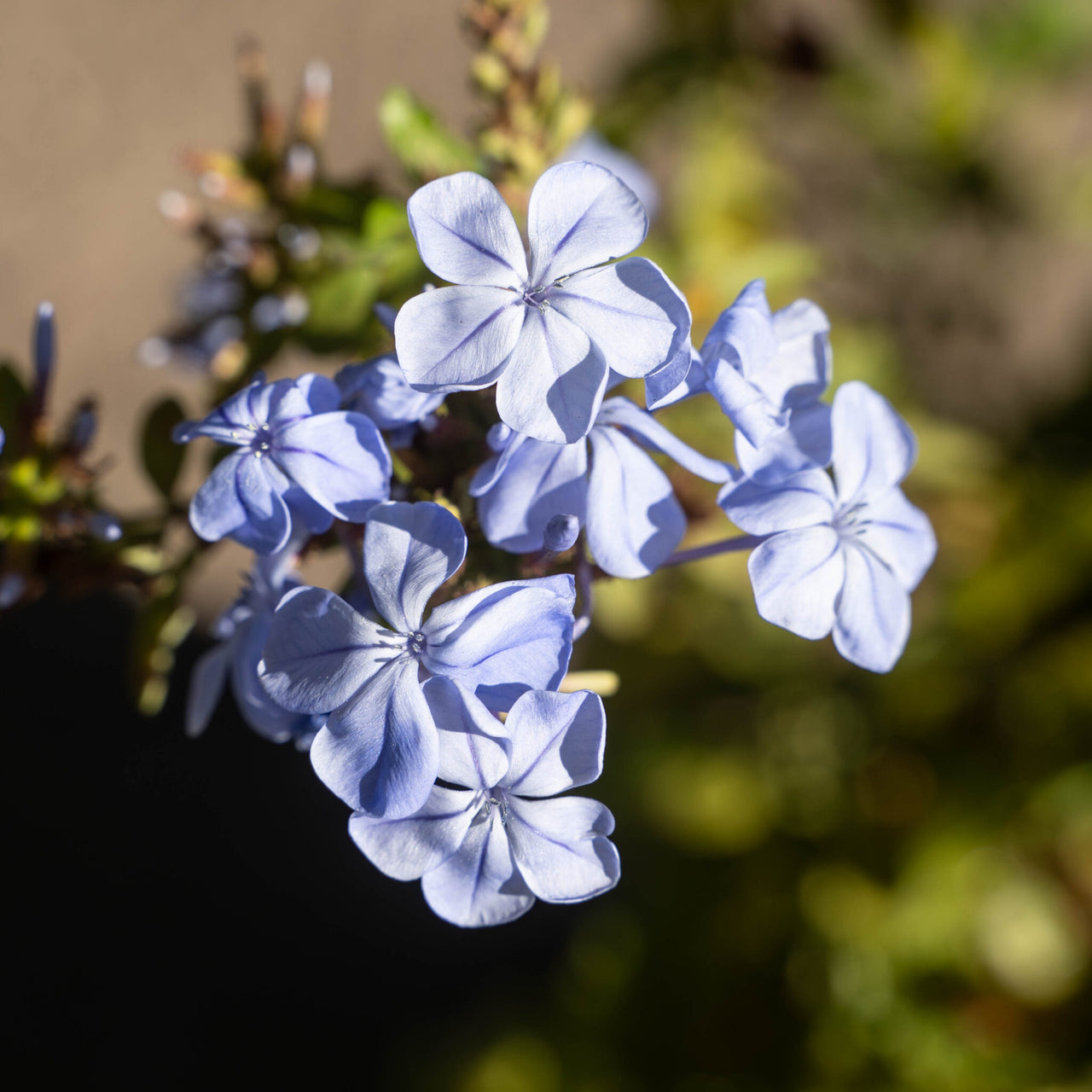
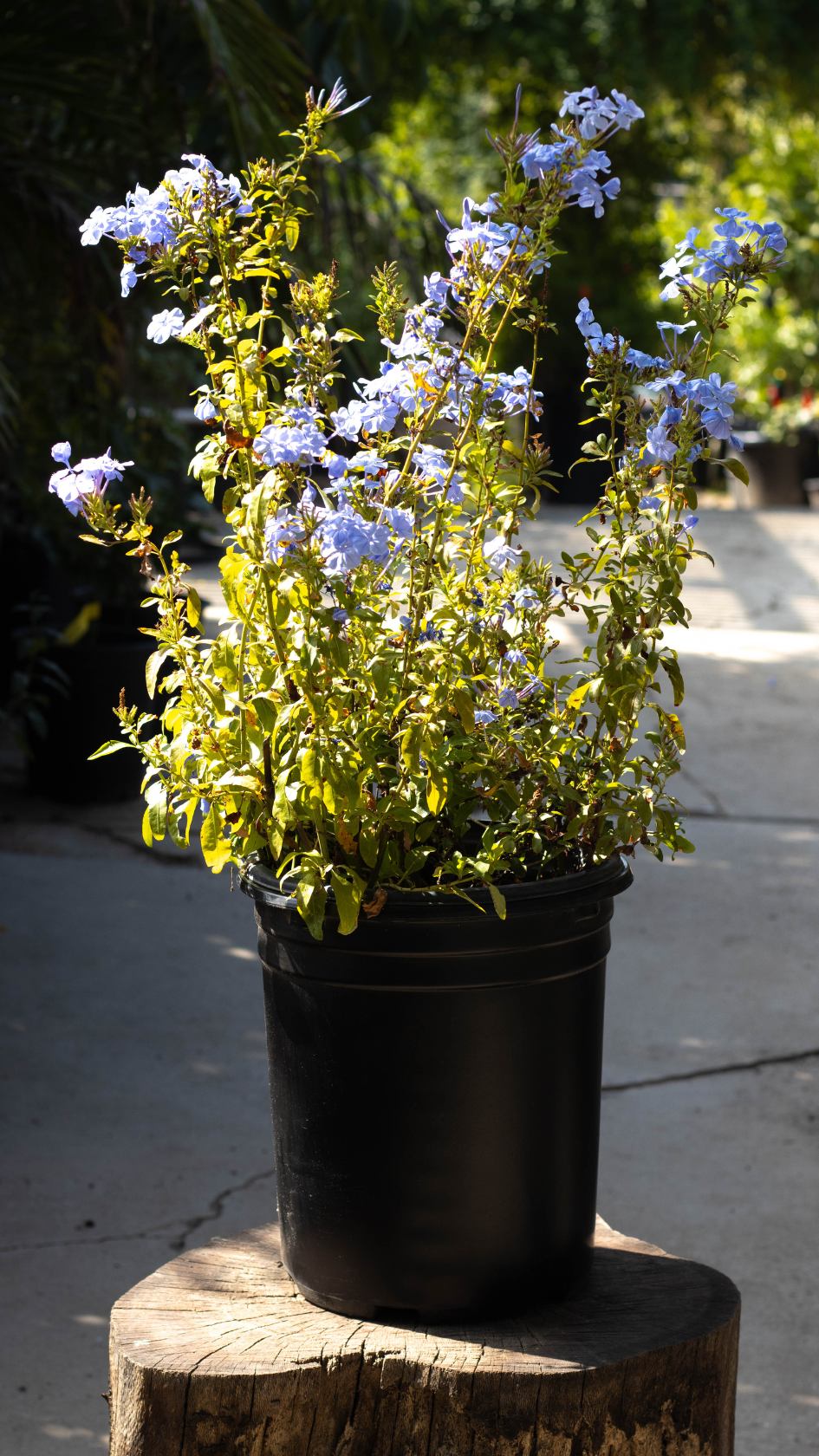
Cape Leadwort, scientifically known as Plumbago auriculata, is a popular choice for gardens and landscapes due to its striking blue or white flowers and green foliage. It is an evergreen shrub that can grow up to 10 feet in height but can be clipped to maintain a smaller size. The plant features lance-shaped, dark green leaves on its stalks, and its most striking feature is its clusters of tubular, five-petaled flowers, which bloom in either blue or white. These flowers are about 1 inch (2.5 cm) in diameter and bloom throughout the year in suitable climates.
Growing Conditions and Care
Cape Leadwort is a low-maintenance plant that thrives in various conditions:
- Sunlight: It does well in either full sun or light shade.
- Soil Requirements: The plant prefers slightly acidic to neutral, well-draining soil but can tolerate a wide range of soil types.
- Watering: Regular watering is necessary during the growing season to keep it healthy.
- Climate: This plant grows well in warm, subtropical climates and is suitable for USDA hardiness zones 9 to 11. It can be cultivated in containers and kept indoors during colder months.
Special Features
Some types of Cape Leadwort, especially the blue-flowering variety, emit a pleasant aroma that enhances its appeal in the garden. Though generally non-toxic, some individuals may experience skin sensitivity when touching the plant.
Uses in Landscaping
This shrub is ideal for a variety of landscaping purposes:
- Ornamental Use: It serves as an eye-catching standalone plant, perfect for hedges, borders, or containers.
- Coastal Gardens: Its salt tolerance makes it a great choice for coastal areas.
History of Cape Leadwort
Native to South Africa, Cape Leadwort has a rich horticultural history and cultural significance. It has been featured in art, literature, and traditional practices, making it a timeless and inspiring addition to gardens around the world.
Size and Shaping
Maintaining the size and shape of Cape Leadwort is easy:
- Pruning: Prune after flowering to encourage a bushy growth habit. Regular pruning helps preserve its form and ensures that it remains a striking feature in your garden or landscape.