



Get notified
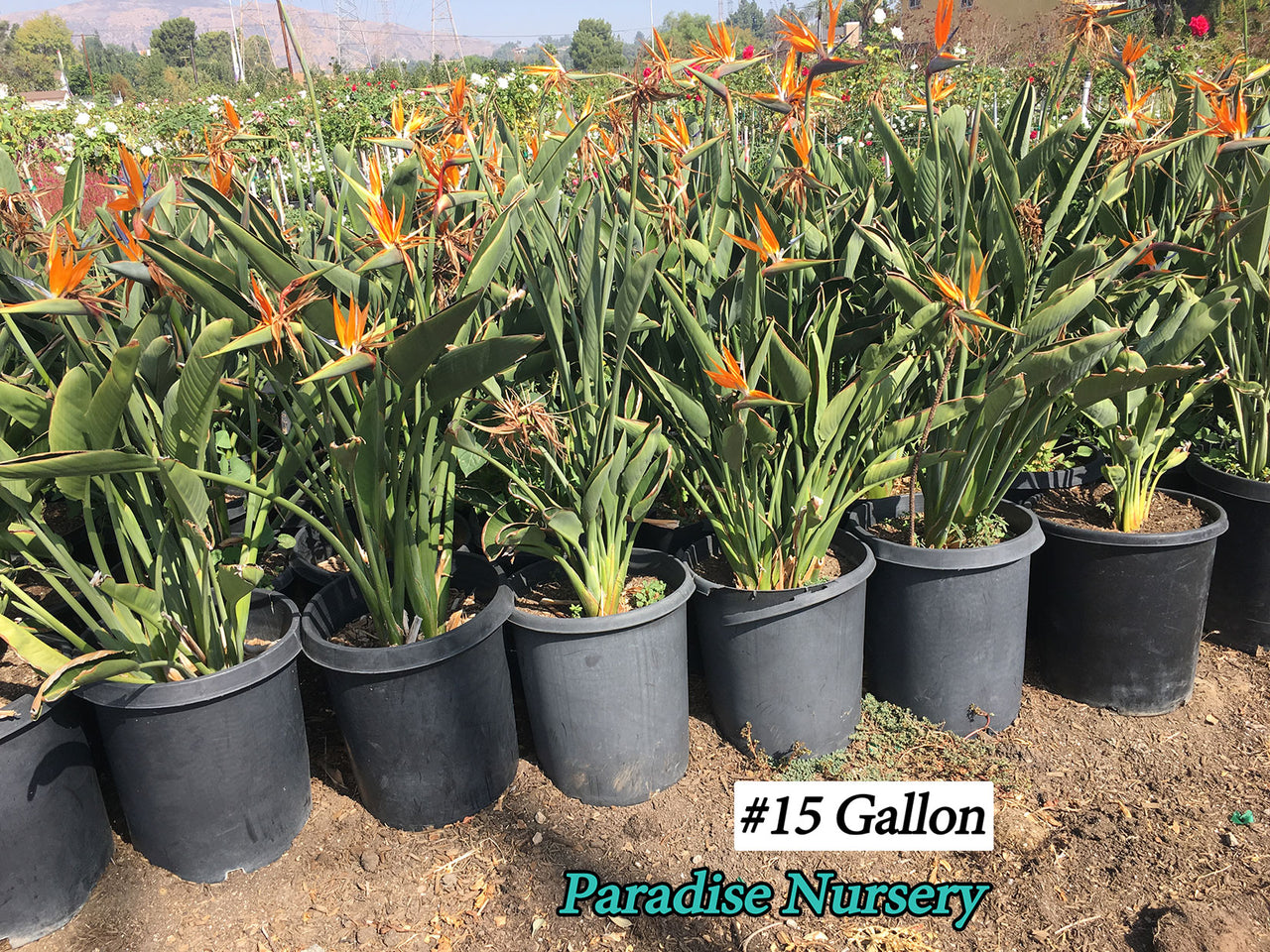
Bird of Paradise (Strelitzia reginae) is a tropical plant known for its vibrant, bird-like flowers. Here are some key care tips:
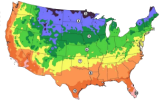
- USDA Zones: Bird of Paradise thrives in USDA Zones 9-11. In these zones, the plant can be grown outdoors year-round. In cooler zones, it can be grown in containers and moved indoors during winter.
- Sunlight: Bird of Paradise thrives in full sun to partial shade. In cooler climates, full sun encourages more blooms, while in hotter regions, partial shade helps protect the plant from scorching.
- Soil: It prefers well-draining, fertile soil rich in organic matter. A slightly acidic to neutral pH (5.5-7.0) is ideal for healthy growth.
- Watering: Water the plant deeply and regularly, especially during the growing season (spring to summer). Let the soil dry slightly between waterings to avoid root rot. Reduce watering in the winter when the plant is dormant.
- Fertilization: Feed Bird of Paradise with a balanced fertilizer (10-10-10 or 20-20-20) during the growing season, every 4-6 weeks. Organic compost can also be applied to enrich the soil.
- Temperature: The plant prefers temperatures between 65-70°F (18-21°C) and can tolerate temperatures down to 50°F (10°C). In cooler climates, it should be brought indoors during winter or protected from frost.
- Pruning: Remove dead leaves and spent flowers to encourage new growth and maintain the plant's appearance. Overcrowded plants can be divided every 2-3 years to maintain their size and vigor.
- Propagation: Bird of Paradise can be propagated by division of rhizomes in spring or summer.
History of Bird of Paradise
The Bird of Paradise is native to South Africa and was introduced to Europe in the late 18th century. It was named after Charlotte of Mecklenburg-Strelitz, the wife of King George III of England. Known as the "Queen's Plant" in South Africa, it became a popular ornamental plant due to its unique and exotic flowers, which resemble the plumage of a tropical bird.
The plant symbolizes freedom and joy, and its striking blooms have made it a favorite in gardens and floral arrangements around the world. It remains an iconic plant in tropical and subtropical landscapes, prized for its bold foliage and long-lasting flowers.