


Get notified
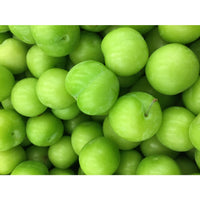
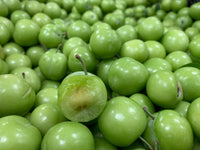
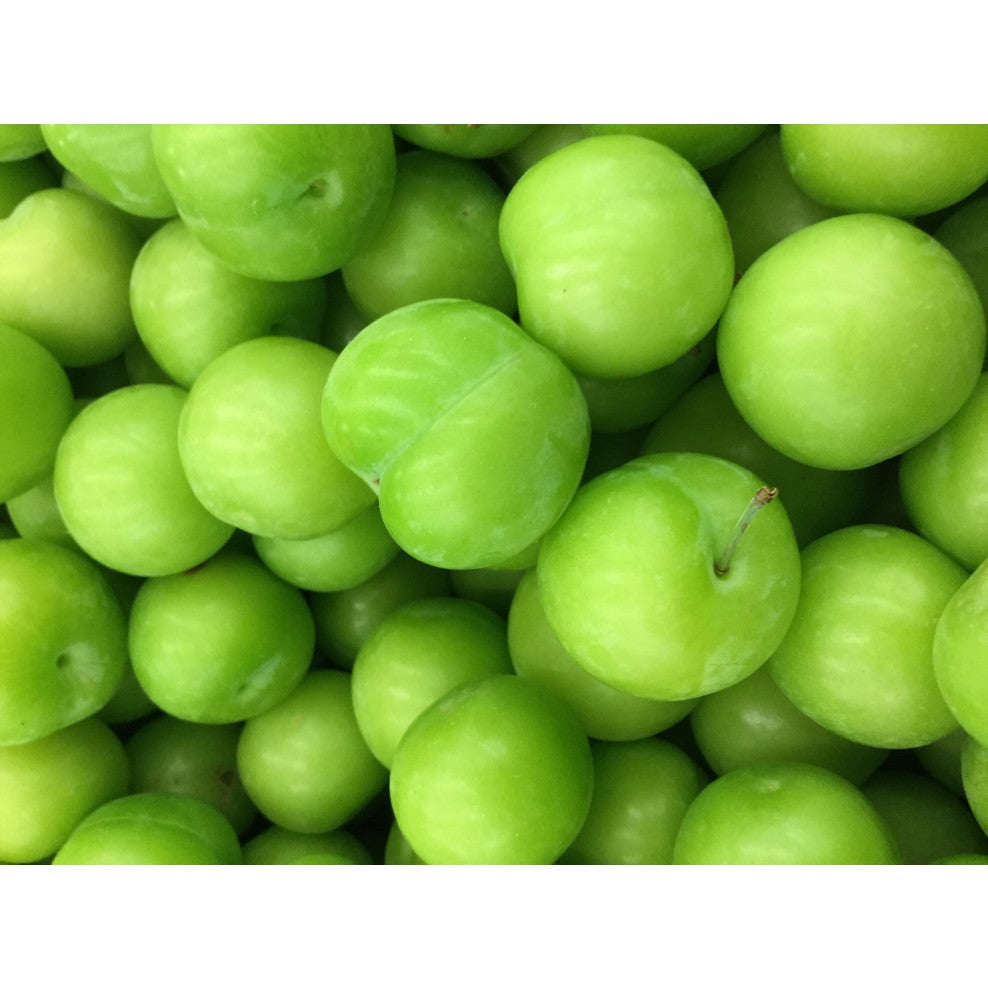
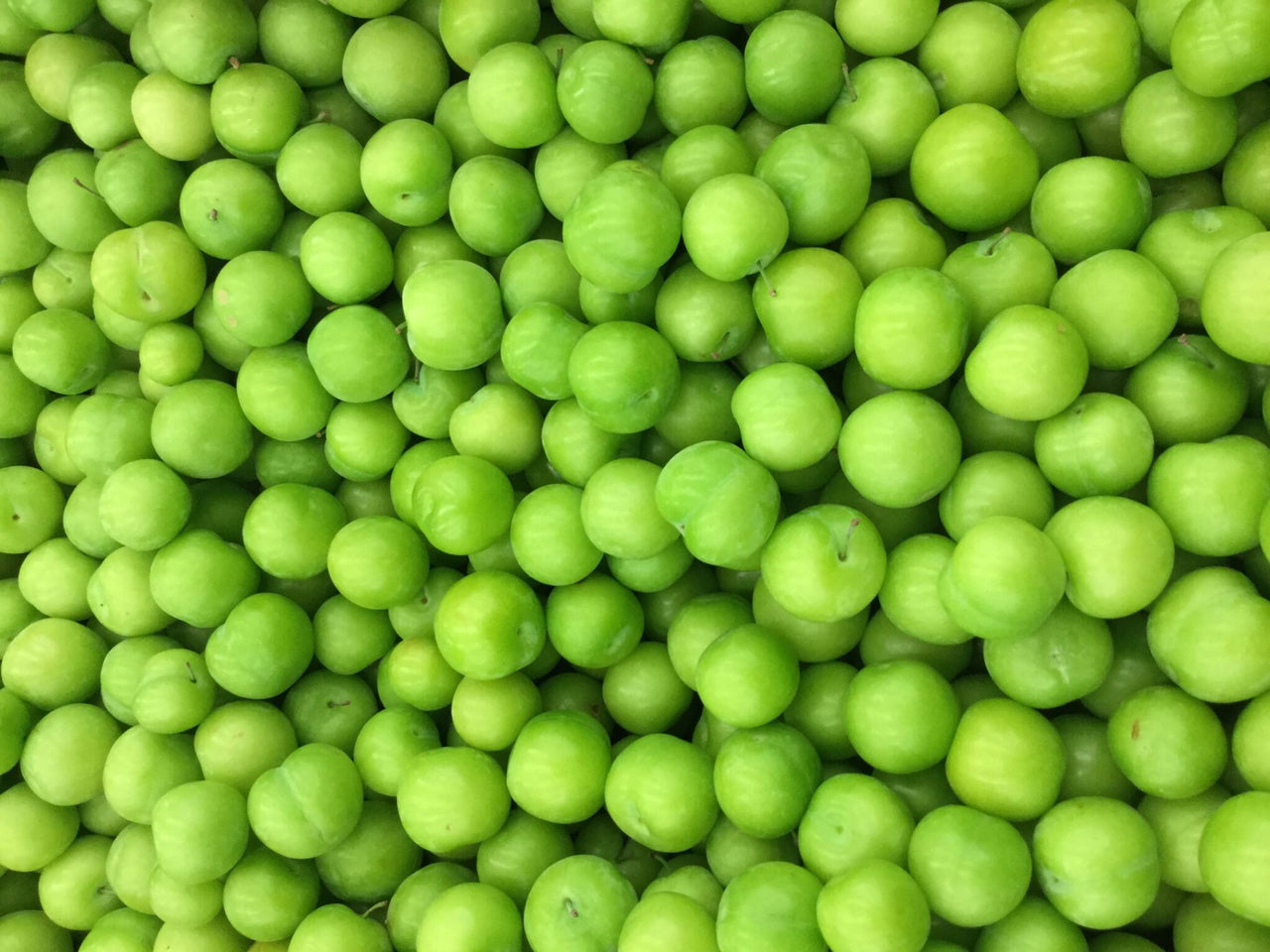
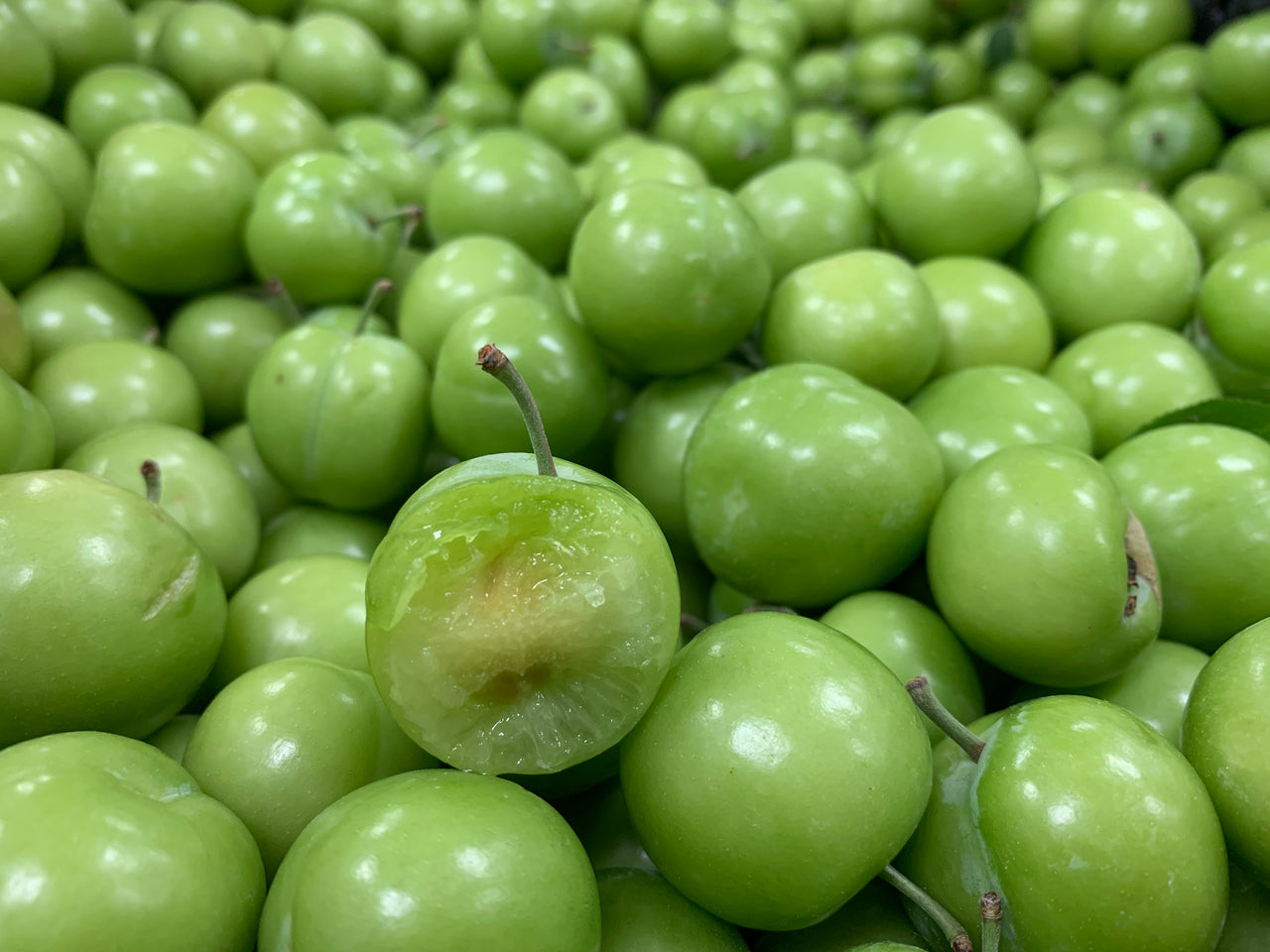
In Iran, the arrival of spring is celebrated extensively as it coincides with the Persian New Year (Nowruz) and the blossoming of the Persian plum tree. As spring progresses, the blossoms of this tree gradually turn into fruit. One of the seasonal highlights is the arrival of Persian Plums, also known as Sour Goje Sabz, from Tabriz. These plums are picked while still green and are highly popular among both children and adults for their crunchy texture and tart flavor.
Tree Characteristics
The Persian Plum tree is relatively small and thrives in cooler winter temperatures while dormant. The fruit is green, round, and small at harvest. If left on the tree past the green stage, the plums ripen into a deep golden color, becoming soft, juicy, and sweet. This variety of Persian Plum sold at Paradise Nursery is from the northern Iranian city of Tabriz.
Culinary Uses
- Raw Consumption: Persian Plums are typically eaten raw, often with a sprinkle of salt to enhance their tart flavor.
-
In Persian Cuisine:
- Persian Plums are a key ingredient in Koofteh Tabrizi, a large, stuffed meatball simmered in beef broth with green plums added for tartness.
- They are also used in Khoresh, a traditional Persian stew made with cubes of lamb, parsley, and mint, where the plums provide a delightful tanginess. This stew is typically served over Persian rice.
Growth and Care
- Climate: Persian Plum trees are deciduous and thrive in areas with cooler winter temperatures, making them ideal for regions with distinct seasons.
- Fruit Development: The plums are harvested when green, but if left to ripen fully on the tree, they turn into golden-colored, sweet, and juicy plums.
Summary
The Persian Plum (Sour Goje Sabz) from Tabriz is a beloved fruit in Iranian and Middle Eastern cultures. Its small, round, green fruit is crunchy, tart, and refreshing, often enjoyed with a touch of salt. These plums can also be used in various traditional Persian dishes, adding a unique sour flavor to meals. The tree thrives in cooler climates and produces a delicious fruit that transforms in flavor and texture as it ripens.
Step One:
Soil and Planting: Plant in soil that drains well. Dig a hole that is as deep as the tree’s roots and at least twice as wide.
Step Two:
Place the tree in the hole and backfill around the plant’s roots with a mixture of the native soil and high-quality planting mix that has washed sand and organic fertilizer.
Step Three:
Create a basin around the roots drip zone so that water collects. Water deeply until the roots and nearby soil is saturated and reaches field capacity.