

Get notified
Overview of the Green Gage Plum Tree
The Green Gage Plum Tree is a compact and versatile variety known for its attractive blossoms and deep green foliage. This plum tree is an excellent addition to any garden, offering both ornamental beauty and delicious fruit.
Fruit Description
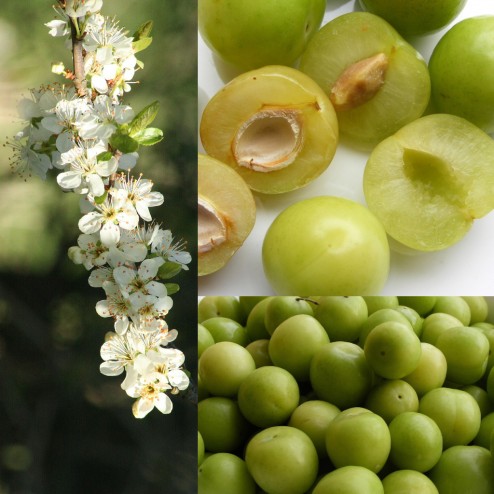
The fruit of the Green Gage Plum is yellow-green and known for its rich, plum-honey flavor:
- Taste: Sweet, making it perfect for canning, desserts, or preserves.
- Texture: Freestone, allowing the pit to be easily removed.
- Harvest Time: Ripens in early August, providing an abundant summer harvest.
You may find it difficult to resist eating them fresh right off the tree!
Pollination and Climate
- Self-Pollinating: The Green Gage Plum tree does not require a pollinator to produce fruit, making it an easy choice for home orchards.
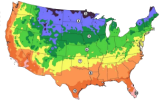
- Low-Chill Climate: Well-suited for regions with mild winters, such as Southern California (Los Angeles and Orange County), where the chilling requirement is low.
Growth and Size
- Size: This tree can be kept under 10 feet tall and wide for smaller spaces or allowed to grow larger, depending on your preference.
- Compact Growth: Ideal for small yards and urban gardens due to its manageable size.
Watering and Care
- Watering: Water regularly until the tree is established. Deeply irrigate once per week during the spring and increase watering to twice per week during the summer, especially in hot, dry climates.
- Soil: Ensure the soil remains moist but well-draining to prevent root rot and promote healthy growth.
History
The Green Gage Plum has a storied history, believed to have originated in the Middle East or possibly France. It was later brought to England in the early 18th century by Sir William Gage, from whom it takes its name. The Green Gage quickly gained popularity across Europe and became a favored variety for its exceptional flavor and versatility. Today, it is considered one of the finest dessert plums, cherished by gardeners and fruit enthusiasts worldwide.
Step One:
Soil and Planting: Plant in soil that drains well. Dig a hole that is as deep as the tree’s roots and at least twice as wide.
Step Two:
Place the tree in the hole and backfill around the plant’s roots with a mixture of the native soil and high-quality planting mix that has washed sand and organic fertilizer.
Step Three:
Create a basin around the roots drip zone so that water collects. Water deeply until the roots and nearby soil is saturated and reaches field capacity.