

Get notified
Overview of the Flavor Queen Pluot Tree
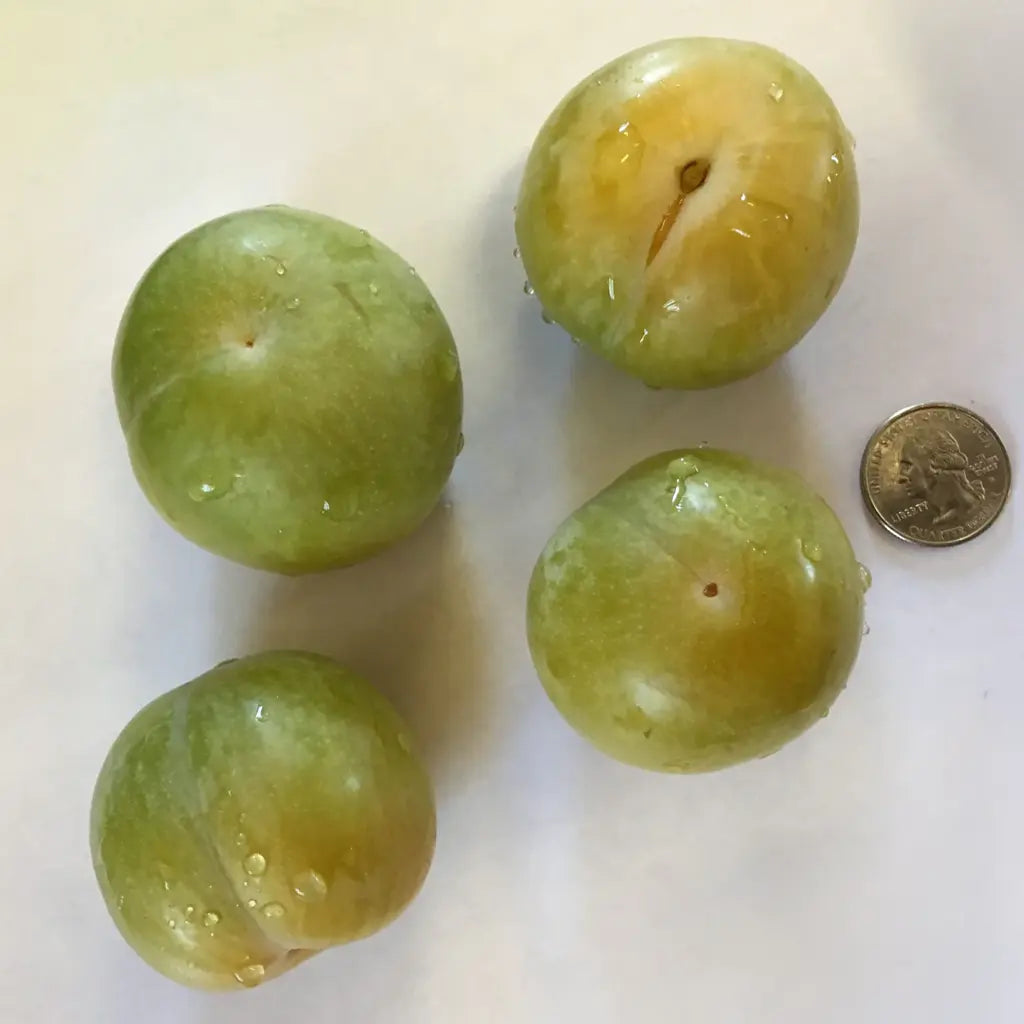
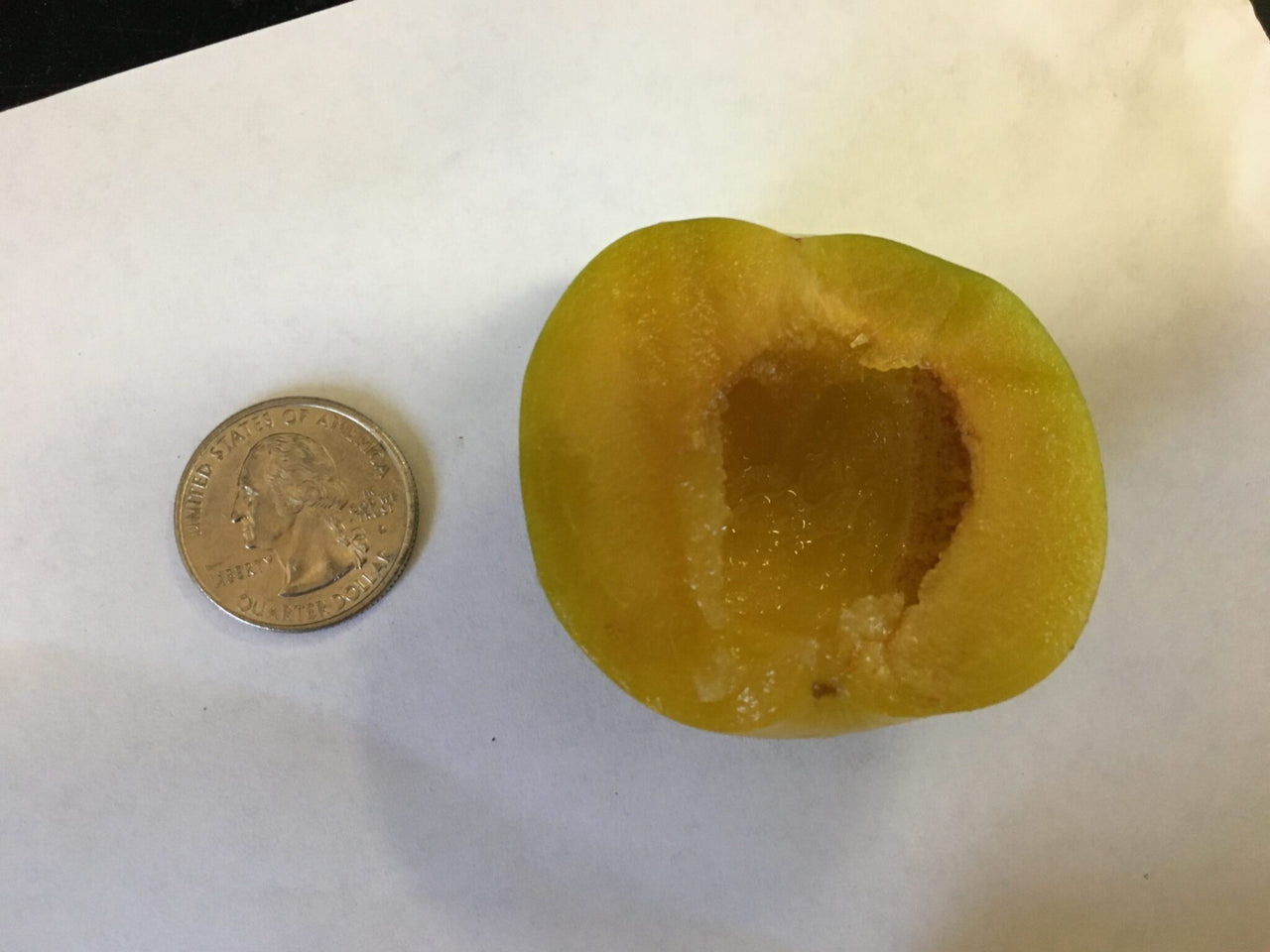
The Flavor Queen Pluot tree produces medium to large, plum-shaped hybrid fruit with green skin and yellowish-green flesh. The fruit is sweet, juicy, and highly favored by fruit enthusiasts. The tree also displays beautiful white blossoms in the spring, followed by a summer fruit harvest. Originally from China, the Flavor Queen Pluot made its way to the U.S. via Japan in 1899. This hybrid of plum and apricot requires a pollinator, such as a low-chill Japanese plum, to produce fruit.
Tree Size and Appearance
Flavor Queen Pluot trees can grow over 20 feet tall. However, most home orchards keep their trees between 8 to 15 feet tall and wide for easier maintenance and harvesting. The tree is deciduous, losing its leaves in winter and producing a beautiful flush of white flowers in spring before bearing fruit.
Care Instructions for Flavor Queen Pluot Trees
Planting
- Sunlight: Plant in full sun to maximize fruit production.
- Soil: Choose well-draining soil with a slightly acidic to neutral pH (6.0-7.0).
- Spacing: Allow 12 to 15 feet between trees to accommodate the tree’s size and ensure good air circulation.
Watering
- First Few Years: Water regularly to establish deep roots.
- During Growing Season: Water deeply once per week, increasing to 2-3 times per week during hot summer months.
- Fall and Winter: Reduce watering in fall and avoid watering during winter dormancy. Overwatering can lead to root rot and fungal diseases.
Fertilization
- Early Spring: Apply a balanced fertilizer with an NPK ratio of 10-10-10 or 5-5-5 before new growth starts.
- Additional Fertilization: Apply more fertilizer in late spring and summer if needed, but avoid fertilizing in late summer or fall to prevent cold damage to new growth.
Pruning and Pollination
Pruning
- Winter Pruning: Prune during dormancy to control size, improve air circulation, and allow more sunlight penetration. Remove dead, damaged, or crossing branches.
- Summer Thinning: Thin excess fruit in the summer to prevent overburdening the tree and to promote larger, healthier fruit.
Pollination
The Flavor Queen Pluot requires a compatible pollinator, such as a low-chill Japanese plum, for fruit production. Ensure that the pollinator blooms at the same time as the Flavor Queen Pluot to set fruit successfully. Without pollination, the tree will only produce flowers.
Pest and Disease Control
- Common Pests: Aphids, mites, and scale can affect the tree. Use organic insecticidal soap or horticultural oil to control infestations.
- Fungal Diseases: Watch for fungal issues such as powdery mildew and brown rot. Prune to improve airflow and avoid overwatering to prevent these problems.
Harvesting
The Flavor Queen Pluot ripens in late summer. The fruit is ready to be harvested when it feels firm but slightly soft to the touch and has a sweet fragrance. The vibrant color of the fruit is another indicator of ripeness. The fruit can be enjoyed fresh, in desserts, or made into jams and preserves.