



Algerian Mandarin (Clementine) Tree
The Algerian Mandarin, also known as the original Clementine, is the gold standard for easy-peeling citrus. This evergreen beauty is a winter favorite, known for its prolific harvests that ripen just in time for the holiday season. With its graceful, weeping growth habit and dense canopy of willow-like leaves, the tree is as ornamental as it is productive, making it a "must-have" for families who want a constant supply of seedless, snackable fruit throughout the winter months.
Climate & Growing Conditions
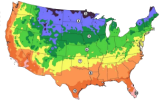
The Algerian Mandarin is perfectly adapted to the Mediterranean climate of Southern California, thriving in Los Angeles, Orange, Ventura, and San Diego Counties. It loves the heat of the day but is also quite cold-hardy compared to other citrus, making it a reliable choice for inland valleys. While Standard trees can reach up to 15–20 feet, the Semi-Dwarf variety is the most popular for home gardens, typically topping out at 8–12 feet. This compact size makes it incredibly easy to harvest and well-suited for planting in large garden pots or as a lush, evergreen hedge. For the best fruit set, plant in full sun and provide well-draining soil.
Fruit Description
The fruit is the quintessential "Cutie"—medium-sized with a smooth, shiny, deep-orange rind that is loose and incredibly easy to peel. Inside, you’ll find juicy, meltingly tender segments that are virtually seedless (unless grown near other seedy citrus varieties). The flavor is a harmonious blend of high sugar content and a refreshing, bright acidity, finished with a subtle floral fragrance that makes it a favorite for both children and gourmets.
Culinary Uses
Because the Algerian Mandarin is so easy to peel and segment, it is a versatile staple in the kitchen:
- The Ultimate Snack: Its "zipper-skin" makes it the perfect healthy snack for school lunches or quick energy on the go.
- Winter Salads: Toss segments into salads with fennel, beets, or walnuts for a bright burst of winter flavor.
- Desserts & Baking: Use the juice and zest for light cakes, tarts, and marmalades. The segments also make a beautiful garnish for chocolate desserts.
- Cocktails: Freshly squeezed Clementine juice adds a sophisticated, sweet-tart edge to margaritas and mimosas.
Household & Health Benefits
Immune Support: High in Vitamin C and antioxidants, providing a natural defense during the winter cold season.
Low Calorie: A naturally sweet, fiber-rich treat that satisfies sugar cravings without processed ingredients.
Natural Aromatics: The essential oils in the peel are incredibly fragrant; simmering the rinds on the stove provides a fresh, uplifting scent throughout the home.
Landscaping & Aromatherapy
The Algerian Mandarin is one of the most attractive citrus trees for landscaping. Its willow-like foliage creates a soft, elegant texture that works beautifully as a focal point or a privacy screen. In early spring, the tree produces a massive flush of tiny, white blossoms that emit a sweet, honey-like perfume, filling the garden with a quintessential Southern California scent.
Algerian Mandarin Tree Care & Maintenance
Planting: Choose a location with at least 6–8 hours of sunlight. Use a high-quality citrus planting mix to ensure the roots remain well-aerated.
Watering: Establish a consistent routine. Water twice weekly during the spring and summer, and reduce to once a week in the winter. Ensure the soil stays moist but never soggy.
Fertilizing: Feed with a balanced citrus fertilizer three times a year (late winter, late spring, and late summer). Because it is a heavy producer, the Algerian Mandarin appreciates a little extra nitrogen in the spring to support its dense foliage.
Pest Resistance
The Algerian Mandarin is a sturdy tree with good general resistance to most common garden pests. However, it is always wise to keep an eye out for aphids or scale during the spring growth spurt. Because the fruit is so sweet, birds may be tempted, but the dense foliage usually provides excellent protection for the harvest.
History of the Algerian Mandarin
The Clementine has one of the most charming origin stories in the citrus world. It was discovered in the late 19th century by Father Clément Rodier in the garden of an orphanage near Oran, Algeria. It is believed to be a natural hybrid between a Mediterranean Mandarin and a sweet orange. It was introduced to the United States in the early 1900s and has since become one of the most commercially successful and beloved citrus varieties in history, famously marketed as the original "easy-peeler."