


Get notified
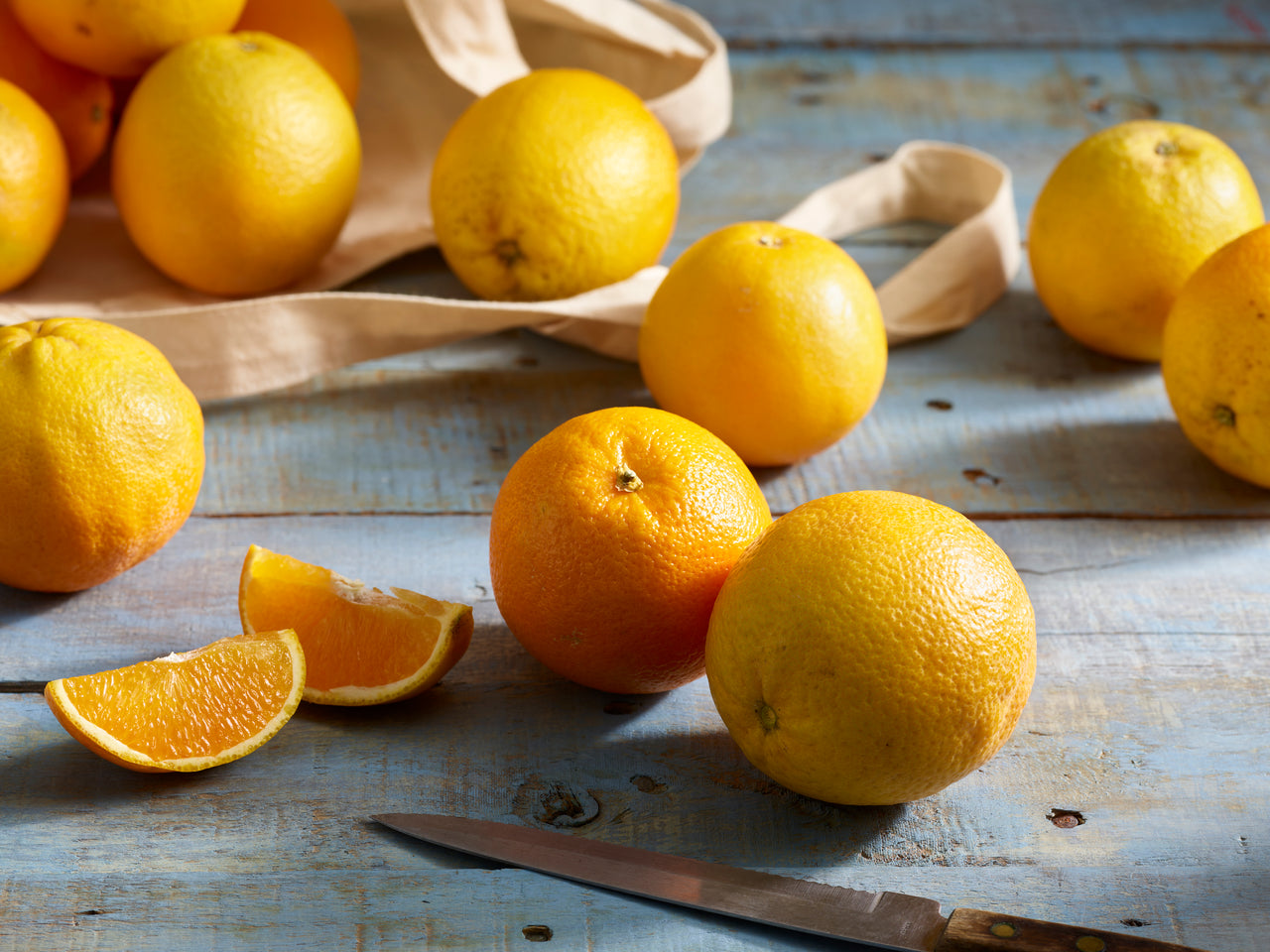
Valencia oranges are one of the most popular orange varieties, known for their sweet, juicy flavor and vibrant color. They are prized for making juice and are often referred to as the "summer orange" because they ripen later than other varieties. The fruit is typically medium to large, with a thin, smooth skin that turns a bright orange when fully ripe. Valencia oranges are nearly seedless and have a high juice content, making them ideal for both fresh eating and juicing.
Growth and Planting Conditions
- Sunlight: Valencia Orange trees require full sun to thrive. Make sure to plant them in a location where they receive at least 6-8 hours of direct sunlight each day.
- Soil: These trees prefer well-draining, sandy or loamy soil. Ensure that the soil is slightly acidic to neutral with a pH range of 6.0 to 7.5.
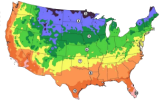
- Temperature: Valencia Orange trees grow best in warm climates. They are suitable for USDA Zones 9-11 and need protection from frost. In colder regions, growing them in containers allows you to bring them indoors during winter.
- Spacing: When planting Valencia Orange trees, space them about 12-15 feet apart to allow for proper air circulation and root growth.
Watering and Irrigation
- Watering Schedule: Regular watering is essential, especially during the first few years after planting. Water the tree deeply about once a week, ensuring the soil is moist but not waterlogged.
- Summer Watering: Increase the frequency of watering during hot, dry periods, especially when the tree is fruiting. In hotter climates, watering 2-3 times a week may be necessary.
- Mulching: Apply a layer of mulch around the base of the tree to retain soil moisture and prevent weeds. Make sure the mulch doesn’t touch the trunk to avoid rot.
Fertilization
- Fertilizer Type: Use a citrus-specific fertilizer with a balanced NPK ratio, such as 6-4-6, during the growing season.
- Application: Fertilize the tree 3-4 times a year, starting in early spring and continuing through summer. Be sure to include micronutrients like magnesium, zinc, and iron to support healthy foliage and fruit production.
- Organic Options: For a natural approach, organic fertilizers like compost and manure can provide the nutrients needed for steady growth.
Pruning
- Timing: Prune Valencia Orange trees in late winter or early spring before new growth begins.
- Method: Remove any dead, diseased, or crossing branches to improve air circulation and allow sunlight to penetrate the canopy. This helps prevent disease and promotes healthy fruit production.
- Shaping: Prune to maintain a manageable size and shape, especially if you are growing the tree in a container.
Pest and Disease Control
- Common Pests: Watch for common citrus pests such as aphids, spider mites, and citrus leaf miners. Treat infestations with neem oil or organic insecticidal soap.
- Disease Prevention: Prevent fungal diseases like root rot by ensuring proper drainage. Keep the tree well-pruned to allow for good airflow around the branches and leaves.
Harvesting and Fruit Characteristics
- Harvest Time: Valencia oranges ripen later than other citrus varieties, usually in late spring to summer. The fruit may stay on the tree for several months without losing quality, which allows for an extended harvest.
- Ripeness Indicators: Valencia oranges develop their full sweetness when left on the tree until fully ripe. The fruit should have a deep orange color and feel firm to the touch.
- Usage: These oranges are excellent for juicing due to their high juice content, but they are also great for eating fresh.
History of Valencia Oranges
Valencia oranges were developed in the mid-19th century by American agronomist William Wolfskill in Southern California. He named the variety after Valencia, Spain, a region known for its sweet oranges. The Valencia orange quickly became the preferred variety for juice production due to its high juice content, fewer seeds, and superior flavor. Today, it remains one of the most important commercial orange varieties globally, especially in juice production.
Orange Tree Care Guide
☀️ 1. Location and Sunlight for Orange Trees
- Sunlight Requirements: Select a planting location that receives a minimum of 6 to 8 hours of full, direct sunlight daily. Ample sunlight is crucial for maximizing your harvest yield and ensuring proper development of the internal fruit color.
- Soil Requirements: Orange trees love sandy loam but can adapt well to any local soil as long as it features excellent drainage. Saturated or wet conditions must be avoided at all costs, as dense, waterlogged soil deprives roots of oxygen and causes root asphyxiation or destructive Phytophthora root rot. If your yard consists of heavy clay, plant your tree on a raised mound to help shed excess water.
- Cold and Frost Sensitivity: While established orange trees are generally resilient, all citrus trees are vulnerable to freezing winter temperatures, especially when young. If temperatures are predicted to drop below 28 degrees for more than a few hours, protect young trunks with insulating wraps and cover the foliage canopy with a light frost blanket.
🌱 2. Planting and Establishing Your Orange Tree
- Hole Dimensions: Prepare the planting site by digging a pit that is exactly as deep as the current root ball and twice as wide. This configuration provides loose, aerated soil for the new feeder roots to expand into easily.
- Placement and Soil: Enrich the excavated soil with aged manure or high-quality compost before placing the sapling. Center the tree in the pit, making sure the main graft union line remains completely clear and above the final soil level to prevent fungal bark rot.
- Water Basin and Mulch: Sculpt a wide soil basin or berm around the outer edge of the root drip zone to trap water. Add a 3-to-4-inch layer of organic mulch inside the basin to preserve moisture and suppress weeds, taking care to keep the mulch a few inches away from the direct trunk wood. Water deeply immediately after planting to help the soil settle around the roots.
💧 3. Season-by-Season Orange Tree Watering
In-Ground Orange Trees
- Newly Planted Oranges: During the first growing year, apply water consistently 2 to 3 times per week directly around the root zone to prevent the developing root system from drying out completely.
- Summer Deep Irrigation: During the hot summer months from June through September, young trees should be watered every 5 to 10 days, while mature, established trees need deep watering every 7 to 10 days. Deliver water slowly over the course of an hour to let moisture sink deeply into the root zone. Focus the water slightly beyond the tree's drip line and keep it away from the central trunk bark.
- Winter Modifications: Significantly reduce watering frequency during the late fall and winter months. During rainy winter cycles where Los Angeles receives at least 0.5 inches of precipitation, turn off your irrigation system entirely.
Container-Grown Orange Trees
- Potted Care: Potted orange trees dry out much quicker than in-ground specimens and require closer monitoring. Check the internal moisture 6 to 12 inches below the surface using a soil probe, trowel, or moisture meter. Water deeply only when the upper soil profile begins to feel dry, and ensure the pot never stands in a stagnant saucer of water.
🍊 4. Fertilization and Nutrition Requirements
- The Three-Part Schedule: To optimize fruit quality, apply fertilizer three times a year directly aligned with the tree's natural growth cycles. Make your first application in January or February just before the spring bloom begins. Apply the second dose in early May, and follow up with a final application in June.
- The Danger of Late Feeding: Strictly avoid applying nitrogen fertilizers late in the season or during late fall. Late fertilization stimulates tender vegetative growth that can be easily ruined by winter frost, and it severely reduces fruit quality by causing rough rinds, low sugar content, and delayed fruit coloring.
- Fertilizer Types: Apply a citrus-specific granular formula with a slightly higher nitrogen ratio, or use a balanced mix (such as 6-6-6 or 8-8-8). If you observe yellowing between the leaf veins on new growth, apply a complete citrus fertilizer enhanced with essential micronutrients like iron, zinc, and manganese. Scatter the granules evenly along the drip line and water the soil heavily immediately afterward to avoid root burn.
✂️ 5. Pruning and Framework Shaping
- Ideal Pruning Window: If you need to shape your tree, the ideal time to prune is in early spring just before bloom, or immediately after fruit set. This timing allows the tree to naturally self-regulate its fruit load during the early summer June drop and permits new spring growth to harden off safely.
- Center Canopy Thinning: Prune away dead, broken, diseased, or crossing branches to open up the center of the canopy. Opening the center allows interior sunlight penetration, which directly boosts fruit yields and improves final rind color. Avoid over-pruning or exposing major naked limbs, as intense direct sun can cause trunk sunburn; paint any exposed wood with a 50:50 mix of white interior latex paint and water for safety.
- Skirt and Sucker Management: Cleanly cut away all rootstock suckers arising below the graft union as soon as they appear to stop them from stealing valuable energy from the fruiting canopy. Additionally, prune the lower branches upward to create a clear "skirt" line well above the ground. Keeping branches from touching the soil cuts off an easy "bug ladder" for crawling pests.
🐛 6. Pest Defense and Harvesting Rules
- Invasive Pests & Disease: Inspect foliage monthly for the tiny Asian Citrus Psyllid (ACP), which transmits the deadly, incurable Huanglongbing (HLB) disease. Watch closely for twisted leaves, yellowing veins, or asymmetric leaf mottling. Check stems and leaf undersides for mealybugs, whiteflies, and cottony cushion scale, which secrete sticky honeydew that breeds dark sooty mold. Treat infestations with safe insecticidal soaps or horticultural neem oils.
- The Orange Dog Caterpillar: On young orange trees, monitor for the large Orange Dog Caterpillar (the larval stage of the giant swallowtail butterfly). Because of their size, just one or two of these caterpillars can completely defoliate a small, young tree. Control them simply by handpicking them off young foliage and relocating them to an older, mature citrus tree where they won't cause noticeable damage.
- Ant Exclusion: Ants actively farm and protect honeydew-producing pests like scales and aphids from natural predators. Stop them by wrapping the central trunk with a layer of protective tape and coating the exterior with a sticky compound like Tanglefoot.
- The Golden Rules of Harvesting: Oranges must remain on the tree to develop their signature sweetness; they will not continue to ripen, soften, or gain sugar once they are picked. Navel varieties in Southern California typically ripen from November through April, while Valencia juice oranges mature during the summer.
- The Taste Test: Rind color is a response to cold winter nights and is completely unreliable as a sign of maturity. In fact, Valencia oranges can undergo "regreening" in warm weather even when fully ripe and sweet. The only foolproof method to judge maturity is to harvest and taste an individual orange from the outside canopy; if it features a perfect balance of sweetness and tartness, your tree is ready to harvest.