



Get notified
Lane Late Navel Orange Tree
The Lane Late Navel Orange Tree is a premier evergreen citrus variety cherished for extending the orange season well into the summer. As a "late-season" powerhouse, it allows gardeners to enjoy tree-fresh fruit long after other navel varieties have finished. With its dense, deep-green canopy and incredibly fragrant spring blossoms, this tree is as beautiful in a landscape as it is productive, offering a lush, Mediterranean feel to any backyard.
Climate & Growing Conditions
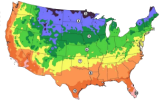
The Lane Late Navel Orange flourishes in the warm, sunny climates of Southern California, particularly in Los Angeles, Riverside, Orange, and San Diego Counties. It requires full sun and well-draining soil to develop its signature sugar content. Available in Standard and Semi-Dwarf rootstocks, the tree is highly adaptable; Standard trees can reach heights of 15–20 feet, while Semi-Dwarf versions are easily maintained at 8–12 feet, making them perfect for large pots or smaller suburban lots. For optimal health, space trees 10–12 feet apart to ensure plenty of airflow and sunlight.
Fruit Description
Lane Late Navels are the gold standard for summer eating. The fruit is medium-to-large with a smooth, thin, bright orange rind and a small, characteristic "navel" at the blossom end. Inside, the flesh is entirely seedless, crisp, and exceptionally juicy. It possesses a rich, complex sweetness with lower acidity than early-season oranges, and unlike many other varieties, the fruit "stores" perfectly on the tree for months without losing its firm texture.
Culinary Uses
This variety is the ultimate "snacking" orange due to its easy-peeling rind and seedless segments:
Fresh Eating: Perfectly sweet and mess-free for school lunches or healthy snacks.
Salads: Adds a burst of summer sweetness to spinach salads, grain bowls, and citrus carpaccio.
Garnish: The firm texture makes it ideal for beautiful slices in summer sangrias and cocktails.
Juicing: While best eaten fresh, the juice is delicious if consumed immediately (navel oranges contain limonin, which can cause juice to turn bitter if stored too long).
Household & Health Benefits
Nutrient Dense: Packed with Vitamin C, fiber, and potassium, supporting heart health and a strong immune system.
Natural Zest: The rind is rich in essential oils; use the zest to infuse sugars or flavor baked goods with a bright, floral citrus scent.
Low Calorie: A naturally sweet, hydrating treat that satisfies sugar cravings without processed additives.
Landscaping & Aromatherapy
The Lane Late Navel is a standout ornamental tree. Its symmetry and thick foliage make it an excellent choice for privacy screening or a focal point in the garden. During the spring bloom, the intense, sweet perfume of its white flowers acts as a natural aromatherapy, attracting pollinators and creating a relaxing outdoor environment.
Lane Late Navel Tree Care & Maintenance
Planting: Choose a south-facing spot with maximum sun exposure. Amend heavy soils with a high-quality citrus planting mix to improve drainage.
Watering: Maintain consistent moisture. Water twice weekly during the heat of summer and reduce to once weekly during the rainy season. Ensure the water reaches deep into the root ball.
Fertilizing: Apply a balanced citrus fertilizer (2-1-1 ratio) in late winter, late spring, and late summer. To support the heavy summer crop, ensure the tree receives adequate potassium during the fruit-set stage.
Pest Resistance
The thick, healthy foliage of the Lane Late Navel is generally hardy. Because the fruit matures later, it often avoids the peak season for certain early-spring pests, though standard citrus care for aphids and scale is recommended.
History of the Lane Late Navel Orange
The Lane Late Navel was discovered in 1950 as a natural "bud sport" mutation on a Washington Navel tree in the garden of L.C. Lane in Mildura, Australia. This lucky genetic find changed the citrus industry by providing a high-quality navel orange that matured months later than its parent variety. While navel oranges originally trace their lineage back to a monastery in Brazil in the early 1800s, the Lane Late has become a global favorite for its ability to bridge the gap between spring harvests and the heat of summer.