


Get notified
Satsuma Mandarin / Tangerine Tree Information & Care
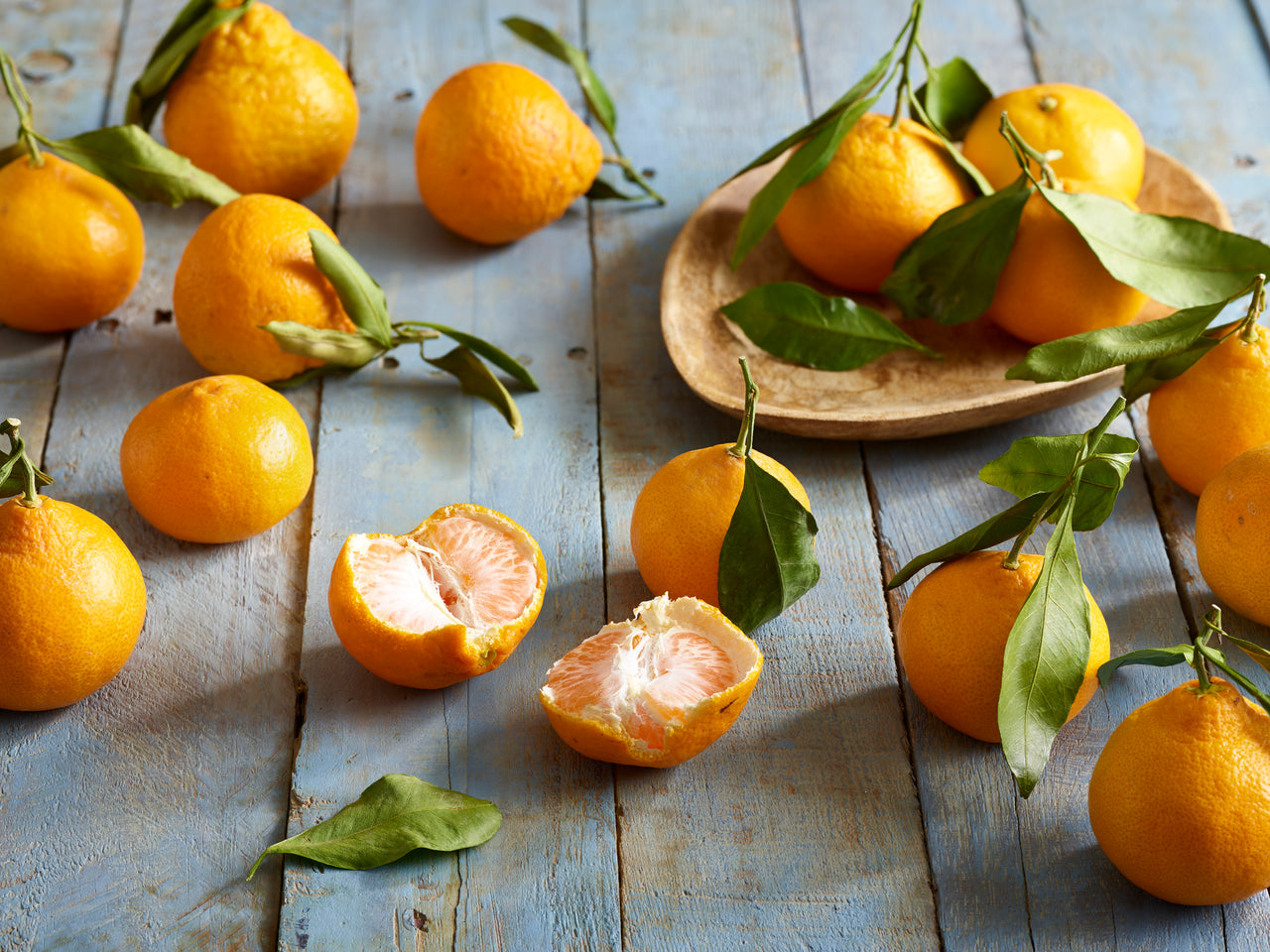
Satsuma Mandarin trees are evergreen and grown in Standard and Semi-Dwarf forms. The Standard tree has a single trunk with a canopy that starts a few feet from the ground. Semi-dwarf trees are "topped" when young to promote their side branches to grow like a bush. Both are great for pots! Select a standard or semi-dwarf if you prefer a traditional umbrella shape tree. Select a semi-dwarf if you would like a shorter tree with a canopy close to the ground.
Although a citrus tree can grow over 20 feet tall, most prune to keep them short. Therefore, many grow mandarin trees 9 – 15 feet tall. When it comes to spacing, plant citrus trees as close as 9 feet apart. Provide more space to allow for larger growth. The mandarin tree is a great choice for the home garden. Its small size will serve as a beautiful ornamental, as well as provide many fruits.
How To Plant, Water, and Fertilize A Mandarin Citrus Tree
Plant a mandarin tree in the full sun. Amends with high-quality planting mix and fertilizer in soil that drains well. Water a newly planted mandarin tree twice per week during the Spring through Summer. Water once per week in the Fall and Winter, while the weather is cool. Consequently, trees in hot climates or sandy soils may need water more frequently.
Spring is the most important time to fertilize a citrus tree. Use citrus food fertilizer with a 2-1-1 NPK ratio in the Spring through Summer. To promote growth, there is twice as much nitrogen to phosphorus and potassium. Blood meal and manure are great organic sources of Nitrogen. Use a fertilizer with more phosphorus and potassium like bone meal fertilizer during the Winter to promote flowers and fruit.
The mandarin tree has few pests and problems. They are less attractive to birds and animals like squirrels than deciduous fruits.
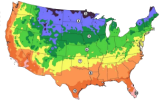
The Satsuma mandarin tree does great in Los Angeles, Ventura, Santa Barbara, Riverside, Orange, and San Diego Counties.
Mandarin Tree Care Guide
☀️ 1. Location and Sunlight for Mandarin Trees
- Sunlight Requirements: Select a planting location that receives full sun for most of the day. Ample sunlight is crucial for maximizing your harvest yield and encouraging strong spring blossoms. A protected spot away from harsh, drying winds will prevent damage to developing fruit and branches.
- Soil Requirements: Mandarins require a mineral-based soil environment that never decomposes and provides constant oxygen to the root zone. A medium clay loam soil is ideal because it holds moisture well but still allows water to penetrate easily. Avoid heavy, stagnant clays that retain too much water, as waterlogged conditions strip oxygen from the roots and invite rot.
- Cold and Frost Resilience: Compared to other citrus varieties, mandarin trees are exceptionally cold-hardy and can tolerate winter temperatures dropping down to the high teens. However, the fruit itself can freeze during prolonged periods of deep cold. If a hard freeze threatens the Los Angeles area for multiple consecutive days, protect the ripening canopy with a frost cloth. [5, 6]
🌱 2. Planting and Establishing Your Mandarin Tree
- Hole Dimensions: Prepare the planting site by digging a pit that is exactly as deep as the current root ball and twice as wide as the tree's container. This broad configuration provides ample space for the wide-reaching root and trunk growth mandarins require.
- Placement and Soil: Center the tree in the pit, making sure the main graft union line remains completely clear and sits well above the final soil line to prevent trunk bark rot. Avoid using standard heavy topsoil or garden soil directly in the hole. Instead, backfill using a blend of half native soil and half high-quality planting mix fortified with washed sand and organic fertilizer.
- Water Basin and Mulch: Sculpt a wide soil basin or berm around the outer edge of the root drip zone to trap water. Apply a layer of organic mulch—such as cane mulch or poultry manure mixed with organic bedding—inside the basin to retain moisture, hold in nutrients, protect delicate feeder roots, and support healthy soil fungal development. Ensure the mulch stays a few inches clear of the main trunk.
💧 3. Season-by-Season Mandarin Tree Watering
In-Ground Mandarin Trees
- The Hand Squeeze Test: Avoid rigid calendar watering schedules. Instead, check moisture by digging a small hole about 6 inches deep near the tree. Take a handful of soil from the bottom and squeeze it. If it forms a hard ball and leaves a wet outline on your skin, the soil is sufficiently hydrated. If the soil is semi-dry and forms a weak ball that crumbles easily when touched, it is the perfect time to irrigate. Never let the soil become completely dry.
- Summer Deep Irrigation: During hot summer months, provide thorough, deep watering rather than shallow sprays to support tree growth and prevent fruit sunburn from heat stress. Saturated, waterlogged soil must be avoided, as most citrus trees in Southern California suffer from overwatering rather than underwatering.
- Winter Modifications: Mandarins need far less water as temperatures cool. Anytime Los Angeles receives a rainstorm of at least 0.5 inches, supplemental irrigation can be cut back. Supplemental watering is rarely required from December through March.
Container-Grown Mandarin Trees
- Potted Care: Compact mandarin varieties (like the Kishu Mini or Gold Nugget) are perfectly adapted to patio pots. Potted mandarins dry out faster than in-ground trees. Test the soil by inserting your finger down 2 to 3 inches. If it feels dry, pour water in slowly, let it soak through, and repeat until a small amount drips freely from the bottom drainage holes. Never leave the pot sitting in a stagnant saucer of water, as this triggers root death.
🍊 4. Fertilization and Nutrition Requirements
- The In-Ground Schedule: For trees planted in the yard, apply nitrogen-rich fertilizer three times a year to line up with natural growth flushes. Make the first application in January or February just before the spring bloom. Apply the second dose in early May, and follow up with a final application in June. Avoid late-season fertilization, as it ruins fruit quality, delays rind coloring, and makes the skins rough.
- The Potted Schedule: Container-grown mandarins have restricted root zones and need lighter, more frequent feedings. Apply a slow-release granular organic citrus fertilizer every other month during the active growing season from February through October, cutting back entirely during the winter.
- Fertilizer Types: Prioritize complete organic fertilizers enhanced with live microbes over harsh synthetic options to build long-term soil health and prevent common pest problems. Organic amendments like chicken manure work beautifully. Always scatter the fertilizer granules evenly along the outer drip line of the leaves, scratch it lightly into the top few inches of soil, and water heavily immediately afterward to wash the nutrients down to the feeder roots.
✂️ 5. Pruning and Canopy Management
- Ideal Pruning Window: Because mandarins are evergreen and do not go dormant, the absolute best time for structural pruning is immediately following your winter harvest, well before spring leaves and flower buds begin to form.
- Sucker and Sprout Removal: Regularly inspect the lower base of the tree below the graft union. Cut away all rootstock suckers and highly aggressive vertical water sprouts completely close to the bark. These non-fruiting shoots steal massive amounts of energy from the rest of the tree.
- Interior Canopy Thinning: Carefully examine the tree framework to identify heavily shaded interior areas. Prune away dead wood, weak twigs, or crossing and rubbing branches back to their main branch connection point. This thins out overgrown growth to let sunlight and air circulate freely through the center of the canopy, which encourages internal fruit production and lowers disease risk.
- Skirt Raising: Trim back lower branches that hang down to touch the yard soil. Raising the canopy "skirt" creates a clean line that blocks snails, rats, ants, and soil-borne diseases from climbing directly up into your fruit.
🐛 6. Pest Defense and Harvesting Rules
- The California Citrus Quarantine: The Los Angeles region is under strict agricultural quarantine pressures due to the Asian Citrus Psyllid (ACP), an invasive insect that transmits the incurable and fatal Huanglongbing (HLB) disease. Inspect your mandarin leaves monthly for twisted growth or waxy white tubules. To comply with California state laws and prevent spreading the pest, never move a live citrus tree away from your residential property. If you share homegrown mandarins with local neighbors, you must wash the fruit thoroughly and remove all stems and leaves before moving them. Disinfect your pruning shears after use and double-bag all citrus green waste in trash sacks.
- Organic Pest Spraying: Minor insect threats like aphids, scale, or citrus leafminers can be controlled by spraying the canopy with a light mineral-based horticultural oil or insecticidal soap. Spray thoroughly through the center and onto the backs of the leaves in the evening after bees have returned to their hives to avoid harming pollinators.
- Ant Exclusion: Ants farm psyllid nymphs and aphids, aggressively defending them from natural predators like parasitic wasps. Keep ants off your tree by wrapping the main trunk with a band of non-sticky tape and coating the exterior surface with a sticky compound like Tanglefoot.
- The Harvesting Rule: Mandarins do not continue to ripen or develop sugar after they are clipped from the branch; they will never get sweeter on your kitchen counter. Early cold winter nights encourage the fruit to release its peak sugars.
- The Clip Method (CRITICAL): Mandarins have delicate rinds. Never pull a mandarin off the branch by hand, as pulling can tear the skin around the cap and cause the fruit to rot. Instead, use hand pruners to cleanly clip each fruit off the tree, leaving the stem cut as short and flush as possible so the fruit won't accidentally poke and puncture neighboring mandarins in your harvest basket. Pick fruit when the skin has a slight give to a gentle squeeze and tastes perfectly sweet. A loose, wrinkled rind indicates the fruit has hung on the tree too long and the internal pulp is starting to dry out.