



Get notified
Page Mandarin Tree
The Page Mandarin is often hailed by citrus connoisseurs as the best-tasting fruit in the entire grove. Though it is technically a cross between a Minneola Tangelo and a Clementine Mandarin, it is almost universally classified as a mandarin due to its appearance and flavor profile. This vigorous evergreen tree is a heavy bearer, producing clusters of deep-orange fruit that look like glowing ornaments against its dark, lustrous foliage. For the home gardener who prioritizes flavor above all else, the Page Mandarin is the undisputed "gold standard."
Climate & Growing Conditions
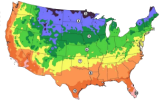
The Page Mandarin thrives in the varied microclimates of Southern California, from the coastal breezes of Santa Barbara and Ventura to the inland heat of Riverside and San Bernardino. It is exceptionally heat-tolerant, which helps it develop its remarkably high sugar content. This variety performs best in full sun and well-draining soil. While available in Standard sizes that can reach 15+ feet, it is most popular in Semi-Dwarf form, staying a manageable 8–12 feet tall. This size is ideal for suburban backyards or as a high-performance "filler" in a diverse home orchard.
Fruit Description
The fruit of the Page Mandarin is small-to-medium and exceptionally beautiful, with a thin, smooth, and leathery rind that turns a deep, reddish-orange when fully ripe. While it can be slightly more snug to peel than a "zipper-skin" mandarin, the effort is rewarded with a mahogany-colored flesh that is virtually seedless and incredibly tender. It is famous for its high juice content and a flavor that is intensely sweet, rich, and complex, often described as having a "spicy" or wine-like finish.
Culinary Uses
Because of its elite flavor profile and high juice yield, the Page Mandarin is a versatile star in the kitchen:
- Fresh Eating: A true dessert fruit that is best enjoyed straight from the tree.
- Superior Juicing: Many chefs consider Page juice to be the finest in the world; it is vibrant, sweet, and doesn't require any added sugar.
- Baking & Zesting: The oil-rich rind provides an intense citrus aroma for cakes, cookies, and curd.
- Reductions: Its high sugar-to-acid ratio makes it perfect for creating sophisticated glazes for duck, scallops, or roasted vegetables.
Household & Health Benefits
Nutritional Powerhouse: Rich in Vitamin C, Vitamin A, and dietary fiber, making it a natural boost for eye health and immune function.
Antioxidant Rich: The deep pigmentation of the flesh indicates high levels of beta-carotene and other beneficial flavonoids.
Natural Aromatherapy: The blossoms and crushed leaves release a calming, sweet-scented oil that promotes a relaxing garden atmosphere.
Landscaping & Aromatherapy
The Page Mandarin tree is a "heavy hitter" in landscaping. It features a dense, upright growth habit and round, glossy leaves that provide excellent privacy screening or shade. In the spring, the tree is smothered in small, waxy white flowers that produce an intoxicatingly sweet perfume, drawing in butterflies and honeybees. Its tendency to fruit in large, heavy clusters makes it a striking visual focal point during the winter months.
Page Mandarin Tree Care & Maintenance
Planting: Choose a sunny, wind-protected spot. If your soil is heavy clay, plant in a raised mound or a large container to ensure the roots stay aerated.
Watering: Page trees prefer a consistent schedule. Water twice weekly in the summer and once every 7–10 days in the winter, depending on rainfall. Avoid letting the soil become waterlogged.
Fertilizing: Use a high-nitrogen citrus fertilizer in the spring to encourage lush growth. Because Page is a heavy producer, supplemental potassium in the late summer can help the tree support its massive fruit load without branch breakage.
Pest Resistance
The Page Mandarin is a hardy variety but, like most citrus, should be protected from common pests such as Citrus Leafminer and Scale. Thinning the fruit clusters in years of over-abundance can help maintain tree health and ensure larger fruit size.
History of the Page Mandarin Tree
The Page Mandarin was created by USDA breeder Gardner Reece and officially released in Orlando, Florida, in 1963. It was named in honor of Howard Page, a prominent figure in the Florida citrus industry. Though it has the pedigree of a "Tangor" (Tangerine x Orange) and a "Tangelo" (Tangerine x Grapefruit), its small size and easy-eating qualities have cemented its legacy as one of the world’s most beloved mandarins.