

Your Zipcode:
- - - - -
LOCAL
NON LOCAL
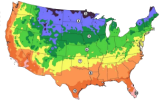
Your Hardiness Zone:
- -

Get notified
Plant Description
Care guide
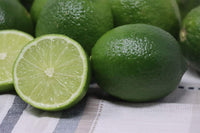
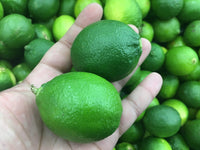
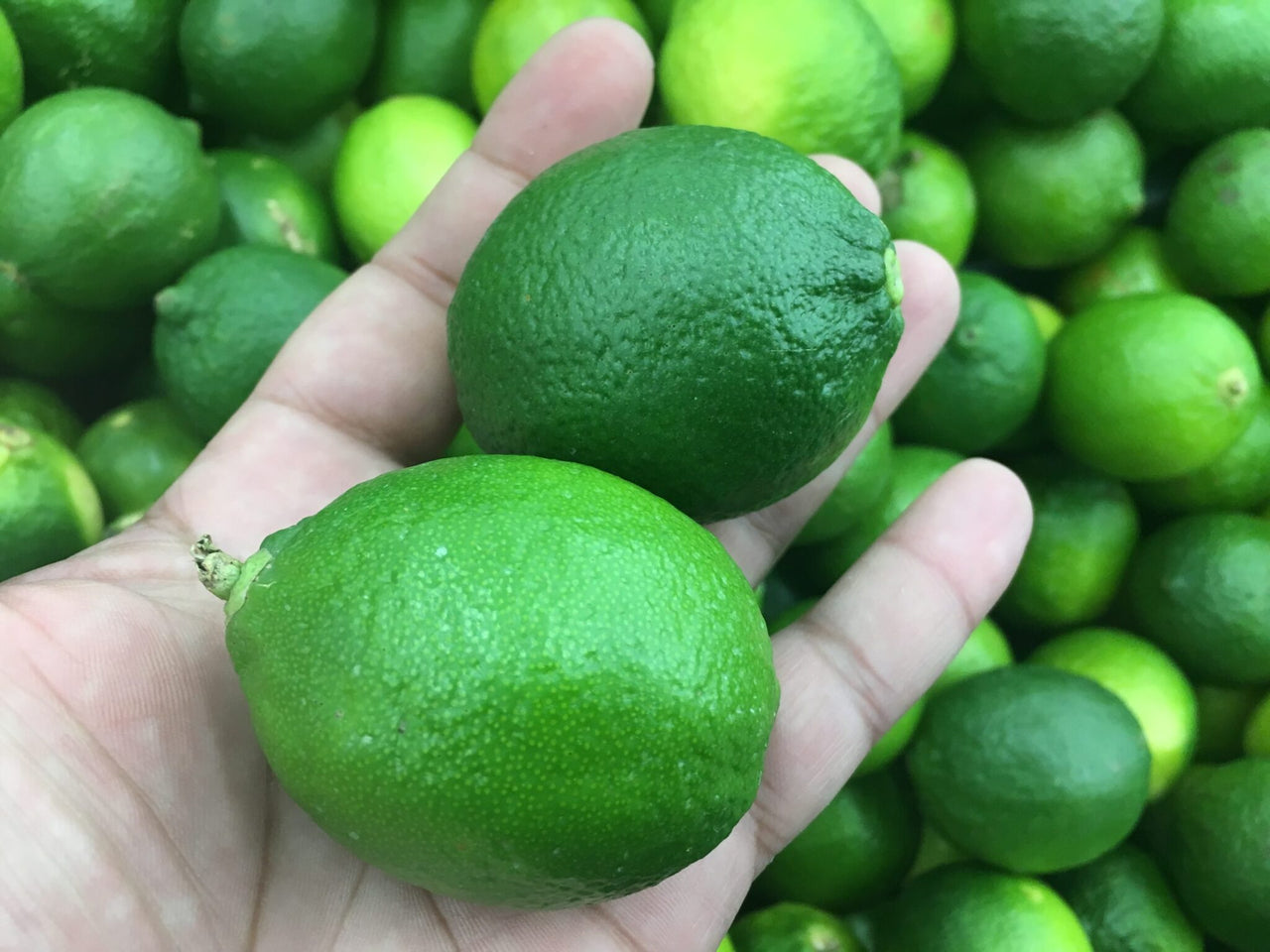
Bearss lime trees are evergreen, fast-growing citrus trees that originated around 1895. The variety was likely a seedling discovered by nurseryman J.T. Bearss. These trees produce Persian limes, which are larger than Mexican limes, typically around 2.5 inches in diameter. One of the key benefits of Bearss lime trees is their ability to produce fruit all year round.
Growth and Size
- Tree Height: Standard Bearss lime trees grow to about 10-20 feet tall, depending on their location and care.
- Tree Width: They can spread between 5-10 feet wide, making them a suitable option for a variety of planting environments.
- Compact Planting: In home orchards, you can plant trees closer together to create a more compact and high-density orchard. Trees should generally be planted 10-15 feet apart to allow for adequate growth.
Planting Considerations
- Location: Plant lime trees near walls that separate neighbors or close to the kitchen for easy access to fresh fruit.
- Root System: Bearss lime trees do not have invasive roots, making them a safe choice to plant near structures without the risk of root damage.
Paradise Nursery Lime Tree Care Guide
Caring for lime trees in the unique climate of Los Angeles requires a mindful approach to watering, feeding, and temperature protection. By following this specialized care guide, you can ensure your lime trees remain vibrant, healthy, and highly productive year after year.
☀️ 1. Location and Sunlight for Lime Trees
Lime trees are heat-loving, subtropical plants that require substantial solar energy to produce abundant crops. [6, 7, 8]
- Sunlight Requirements: Select a planting location that receives a minimum of 6 to 8 hours of full, direct sunlight daily, though 8 to 10 hours is ideal for maximum fruit production. Ample sunlight directly encourages healthy flowering and fruit development.
- Soil Requirements: Limes thrive best in rich, well-draining, slightly acidic soil with an optimal pH level between 6.0 and 7.0. Saturated conditions must be avoided, as dense, waterlogged soil deprives roots of oxygen and causes root rot. If your yard consists of heavy Los Angeles clay, plant your tree on a raised mound to improve drainage.
- Temperature and Cold Protection: Limes thrive in temperatures between 70°F and 85°F. Limes are highly sensitive to cold weather and frost compared to other citrus varieties. Sensitive varieties like the Key lime or Mexican lime can be severely injured or killed if winter temperatures drop below 28°F–29°F. Cover outdoor lime trees with frost cloth or move potted specimens close to a sheltered, warm wall if freezing temperatures threaten.
🌱 2. Planting and Establishing Your Lime Tree
Proper installation reduces transplant shock and helps the root system establish quickly in native Southern California soils.
- Hole Dimensions: Dig a planting hole that is the same depth as the root ball and twice as wide as the tree's container. This wide opening allows for rapid root expansion and easy growth.
- Soil Preparation: Center the tree in the hole, making sure the graft union remains completely above the final soil line to prevent trunk bark rot. Backfill the hole using a mixture of half native soil and half high-quality planting mix fortified with washed sand and organic fertilizer. You can add perlite to enhance drainage and aeration.
- Water Basin and Mulch: Form a 6-to-8-inch soil basin or berm around the outer edge of the root drip zone to collect water. Spread a layer of organic mulch inside the basin to suppress weeds and retain moisture, making sure it stays clear of the main trunk to prevent rotting. Water heavily immediately after planting to eliminate air pockets.
💧 3. Season-by-Season Lime Tree Watering
Lime trees are highly sensitive to watering and hate "wet feet"—constant moisture saturation will quickly rot and kill the root system.
In-Ground Lime Trees
- Newly Planted Limes: During the first growing season, water young trees 2 to 3 times per week to help them build a deep root system.
- Spring and Summer Deep Watering: Water deeply once or twice a week during the active growing season, allowing the top layer of soil to dry slightly between waterings to encourage stronger, deeper roots. In peak summer, mature trees should be watered deeply every 7 to 10 days, ensuring the water saturates the soil deeply to a depth of 3 to 4 feet.
- Fall and Winter Schedule: Significantly cut back your watering frequency as temperatures cool down. During rainy winter periods where Los Angeles receives at least 0.5 inches of rain, you can turn off your irrigation system entirely, as citrus typically needs no supplemental water from December through March.
Container-Grown Lime Trees (Patios and Balconies)
- Potted Care: Container cultivation is highly recommended for sensitive varieties like Key limes because it lets you control the soil and moisture environment. Potted limes dry out faster than in-ground trees. Test the soil by inserting your finger down 2 inches. If the soil feels dry, water thoroughly until it flows freely from the bottom drainage holes. Avoid leaving the pot sitting in a stagnant saucer of water.
🍊 4. Fertilization and Nutrition Schedule
Lime trees demand regular nutrient replenishment to support healthy canopy growth and heavy fruit yields.
- Timing: Apply fertilizer throughout the year to support new growth flushes, particularly during February, May, August, and October.
- Blossom Drop Prevention: Avoid applying high-nitrogen fertilizers when the tree is actively flowering and the young fruit is smaller than a centimeter, as this can trigger premature blossom or fruit drop.
- Fertilizer Types: Use a specialized citrus fertilizer rich in nitrogen, potassium, and essential micronutrients like iron, zinc, and manganese to promote lush foliage and abundant fruit production.
- Application Technique: Scatter the fertilizer granules evenly on the soil along the tree's drip line where the outer leaves end. Avoid piling fertilizer directly next to the trunk. Always water the soil heavily immediately after fertilizing to wash nutrients down into the roots and prevent root burn.
✂️ 5. Pruning and Growth Control
Lime trees naturally grow as dense bushes rather than upright trees. Regular pruning ensures proper light penetration, air circulation, and manageable harvesting.
- Growth Habit Management: If left unpruned, lower branches will grow close to the ground to form a bush. Because more branches mean more flowers and fruit, a bushy form maximizes yields. However, you can choose to prune away the lower branches if you prefer a traditional single-trunk tree form.
- Thorn Management: Most lime varieties feature sharp thorns that can make harvesting painful. You can safely cut thorns cleanly flush with the branches using sharp shears without causing any harm to the tree.
- Sucker Removal: Constantly inspect the base of the tree below the main graft union line. Cleanly remove all suckers immediately, as these rapid shoots drain valuable energy away from your fruit-bearing canopy.
- Canopy Thinning: Perform structural pruning in late winter or early spring before the spring growth flush begins. Remove dead, diseased, broken, or crossing branches to improve interior sunlight penetration and enhance air circulation.
🐛 6. Pest Management and Harvesting
Maintaining clean foliage and strong airflow is your primary defense against regional lime tree threats.
- Asian Citrus Psyllid (ACP) & HLB: Inspect your tree's new leaf growth at least once a month for the Asian Citrus Psyllid, a small pest that can transmit the destructive, incurable Huanglongbing (HLB) disease. Look closely for twisted leaves or waxy white secretions.
- Common Pests: Check the leaves regularly for aphids, scale insects, mites, and citrus leaf miners. Manage minor insect infestations by hosing down the foliage with a sharp blast of water, or spraying with safe horticultural oils, neem oil, or insecticidal soaps in the evening.
- Ant Management: Ants actively protect honeydew-producing pests like aphids from natural predators. Keep ants out of your canopy by applying a sticky barrier compound, like Tanglefoot, in a band around the main trunk.
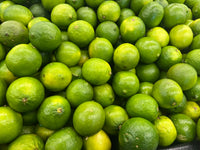
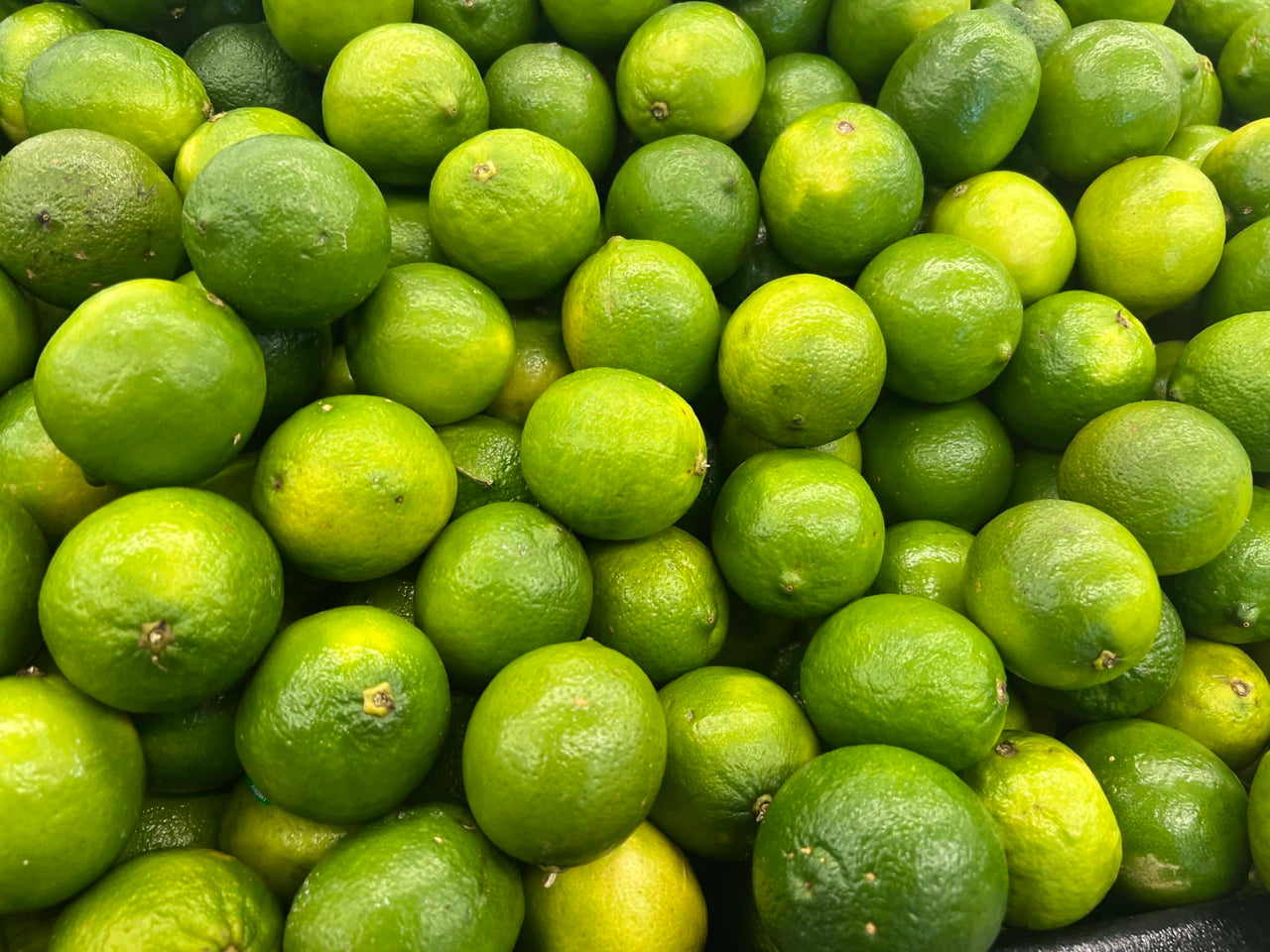
- When to Harvest: Limes can fruit year-round and can be left on the tree until you need them. While supermarkets typically sell limes when they are dark green and underripe, limes actually turn light yellow when fully ripe, making them significantly juicier and less intensely acidic. Harvest your limes when they yield slightly to a gentle touch.