



Get notified
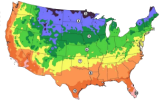
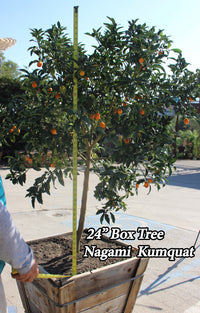
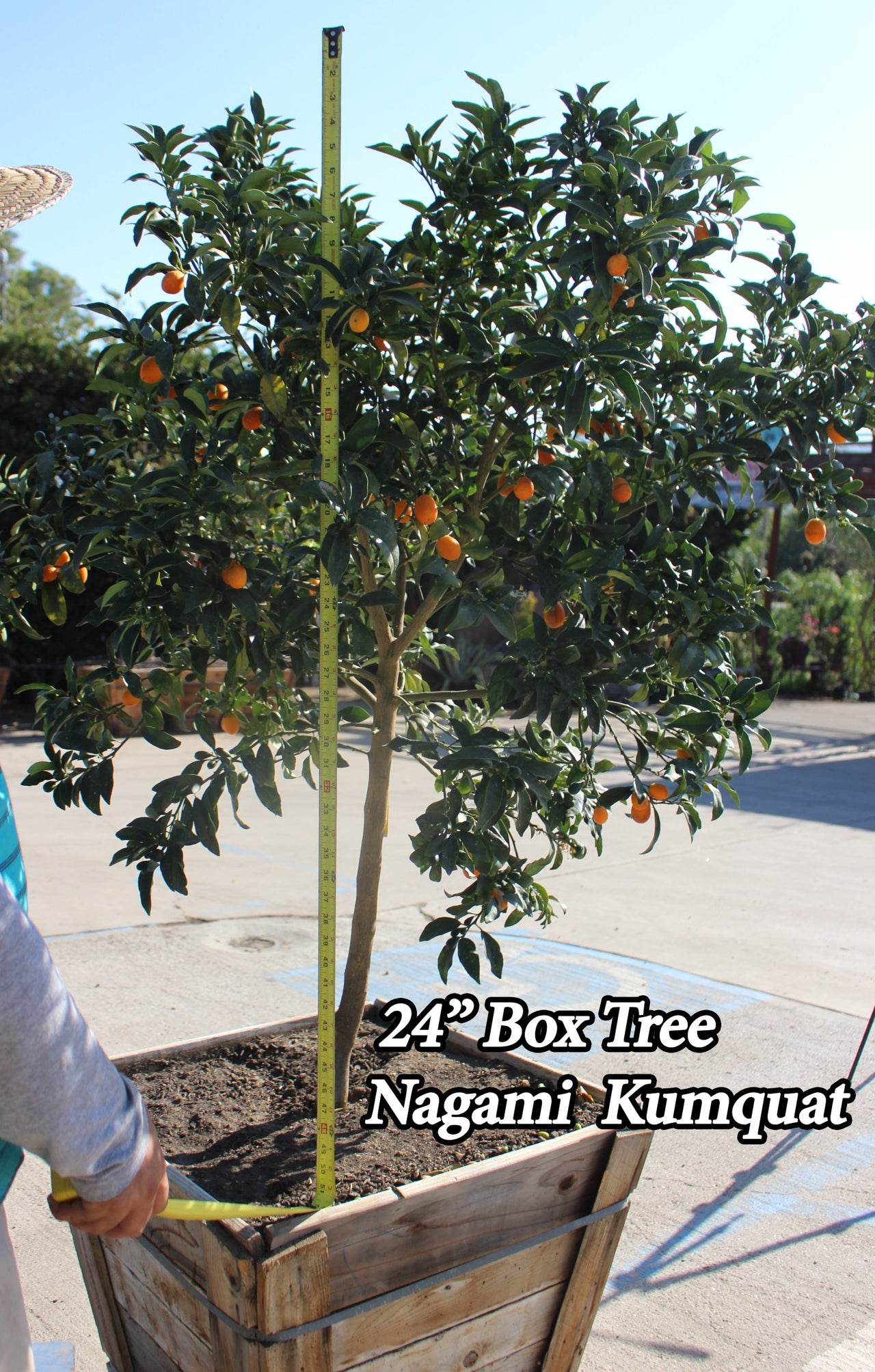
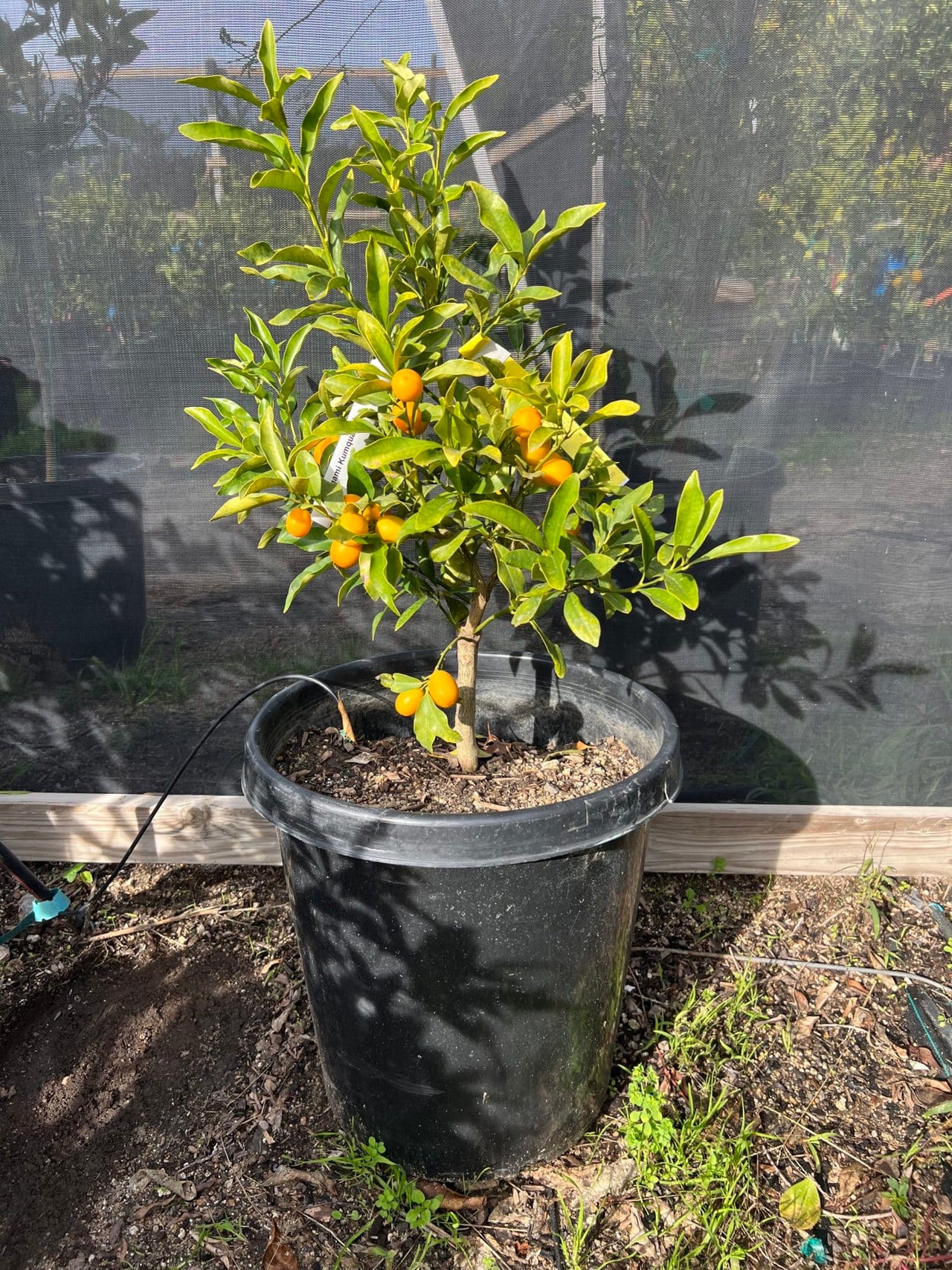
The Nagami Kumquat tree is a hardy, evergreen citrus tree that can tolerate a wide range of temperatures. It thrives in USDA hardiness zones 8-11 and can also be grown in containers, allowing it to be moved indoors during cold weather. Being an evergreen tree, it retains its leaves throughout the year, making it a visually appealing addition to any garden.
Growing Conditions and Care
- Temperature Tolerance: Nagami Kumquat trees can handle both warm and moderately cool temperatures. They are ideal for areas within hardiness zones 8-11.
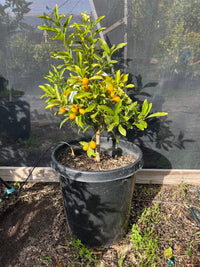
- Container Growing: The tree can be grown in containers, making it easier to move indoors during colder months or to provide optimal growing conditions in smaller spaces.
- Soil and Watering: The tree prefers well-draining soil and should be watered regularly but not excessively. Ensure the soil stays moist but not waterlogged to avoid root issues.
- Fertilization: Use a citrus fertilizer during the growing season to support healthy growth and fruit production.
- Pruning: Pruning can be done as needed to maintain the desired shape and to promote healthy airflow within the tree.
Fruit Characteristics and Uses
Nagami Kumquats typically ripen during the winter months, providing fresh citrus during the colder season. The fruit is small, sweet, and sour, making it perfect for eating fresh or using in various culinary applications such as marmalade, jelly, or other preserves.
Additional Uses
- Fruit: Can be eaten fresh or used to make marmalade, jelly, or preserves.
- Leaves: The leaves can be harvested and used to make a fragrant and flavorful tea.
Summary
The Nagami Kumquat tree is a small but hardy citrus tree that is easy to care for and can tolerate a wide range of temperatures. Its sweet and sour fruit is ideal for fresh consumption or preserving, and the evergreen tree is a wonderful addition to any home garden or orchard, especially for fresh citrus during the winter months. The leaves can also be used for tea, adding another unique feature to this versatile tree.
Step One:
Soil and Planting: Plant in soil that drains well. Dig a hole that is as deep as the tree’s roots and at least twice as wide.
Step Two:
Place the tree in the hole and backfill around the plant’s roots with a mixture of the native soil and high-quality planting mix that has washed sand and organic fertilizer.
Step Three:
Create a basin around the roots drip zone so that water collects. Water deeply until the roots and nearby soil is saturated and reaches field capacity.