

Get notified
Lang Jujube Tree Care and Information
The Lang Jujube tree is a resilient, fruit-bearing tree known for its delicious fruit and easy-to-manage care. Whether you’re looking to grow fresh jujubes or enhance your landscape, this tree is a fantastic choice. Below are detailed care instructions to help you grow a thriving Lang Jujube tree.
Sunlight and Climate
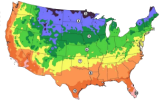
The Lang Jujube tree thrives in hot summers and full sunlight. It requires at least 6-8 hours of direct sun per day to ensure healthy growth and fruit production. It’s incredibly adaptable to a variety of climates, flourishing in USDA Zones 5-10, where it can handle both hot and dry conditions.
Soil Requirements
This tree prefers well-draining soil and can tolerate a wide range of soil types, from sandy soils to clay. Avoid waterlogged areas to prevent root rot. Though it’s drought-tolerant once established, keeping the soil evenly moist during the growing season will promote better fruit production.
Watering Schedule
The Lang Jujube tree is highly drought-resistant, but regular watering is necessary when the tree is young and establishing its roots. Water deeply once a week during the growing season, and reduce watering once the tree is mature. Overwatering should be avoided, especially in humid climates, as it can promote fungal diseases.
Fertilization
Fertilize the Lang Jujube tree in early spring before the growing season begins. Use a balanced fertilizer with a 10-10-10 NPK ratio or an organic fruit tree fertilizer to encourage healthy growth and fruit production. Repeat fertilization in mid-summer if the tree appears to need more nutrients. Avoid over-fertilization, which can lead to excessive vegetative growth at the expense of fruit production.
Pruning and Maintenance
Prune the Lang Jujube tree during its winter dormancy period to remove dead or damaged branches and improve air circulation. This also helps to shape the tree and promote better fruiting. Thin out any crowded areas within the canopy to allow sunlight to reach all parts of the tree. Regular pruning will maintain the size of the tree, making it easier to manage.
Pollination and Fruit Production
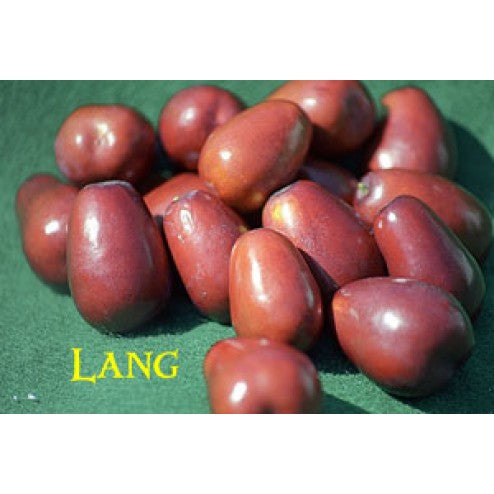
While the Lang Jujube tree is self-pollinating, planting it near a Li Jujube tree or another jujube variety can significantly increase fruit yield through cross-pollination. The fruits ripen in early fall and are best harvested when their skin turns reddish-brown and becomes wrinkled.
Pest and Disease Resistance
The Lang Jujube tree is nearly immune to pests and diseases, making it an excellent low-maintenance option for home gardeners. Its natural resistance to most common fruit tree issues makes it a hassle-free addition to your orchard.
Step One:
Soil and Planting: Plant in soil that drains well. Dig a hole that is as deep as the tree’s roots and at least twice as wide.
Step Two:
Place the tree in the hole and backfill around the plant’s roots with a mixture of the native soil and high-quality planting mix that has washed sand and organic fertilizer.
Step Three:
Create a basin around the roots drip zone so that water collects. Water deeply until the roots and nearby soil is saturated and reaches field capacity.