

Get notified
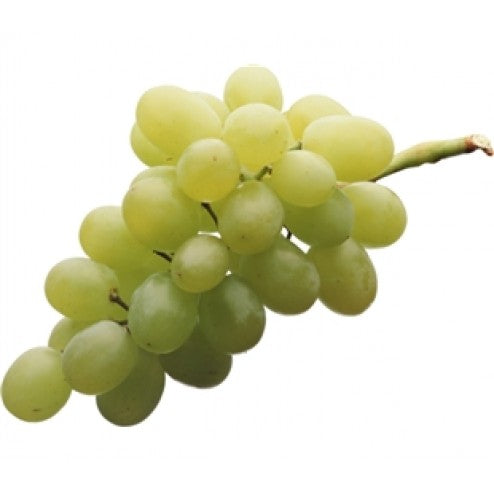
Thompson Seedless Grape Vine (Seedless) Care and Information
Plant the Thompson Seedless Grape vine in the full sun. Train this woody deciduous vine on a trellis, wall, arbor, or post. Plant as close as 6 feet apart. Flowers are self-fruitful but need heat to mature the fruit. Grape vines can be a very ornamental plant in the landscape.
How to Water, Prune, And Fertilize Grape Vine
Plant in soil that drains well. As a deciduous plant, do not provide supplemental water while dormant in the Winter. Prune grape vines during this time to prepare for Spring growth. Begin to water once plants leaf out in the Spring. Irrigate about once per week. Increase the frequency to 2 - 3 times per week as the temperature increases in the Summer. Reduce the irrigation frequency as it cools in the Fall. Grape vines can be affected by fungi such as powdery mildew and rust, so make sure not to keep the soil wet all the time.
Use an organic fungicide such as liqui-cop or horticultural Neem oil to prevent or treat for common fungus like powdery mildew.
Till the top layer of the soil in the Winter and apply some manure along with organic fertilizers before Spring growth. Also fertilize the grape vine in the Spring with a balance organic fruit tree fertilizer with a 1-1-1 or a 2-1-1 NPK ratio, such as (5-5-5)or (6-3-3). Reapply growth formula fertilizer in the Summer. Do not fertilize in the Fall as this the time the tree has slowed growth. Apply a fertilizer with low nitrogen and high phosphorus and potassium with a 1-2-2 or 1-4-4 NPK ratio like a 4-12-12 NPK analysis.
The flowers and future fruit of grape vines on new growth are called canes. Flowers initiate on young canes. Prune every year to keep this growth healthy and rejuvenated yearly.
Step One:
Soil and Planting: Plant in soil that drains well. Dig a hole that is as deep as the tree’s roots and at least twice as wide.
Step Two:
Place the tree in the hole and backfill around the plant’s roots with a mixture of the native soil and high-quality planting mix that has washed sand and organic fertilizer.
Step Three:
Create a basin around the roots drip zone so that water collects. Water deeply until the roots and nearby soil is saturated and reaches field capacity.