

Get notified
Concord Grape Vine
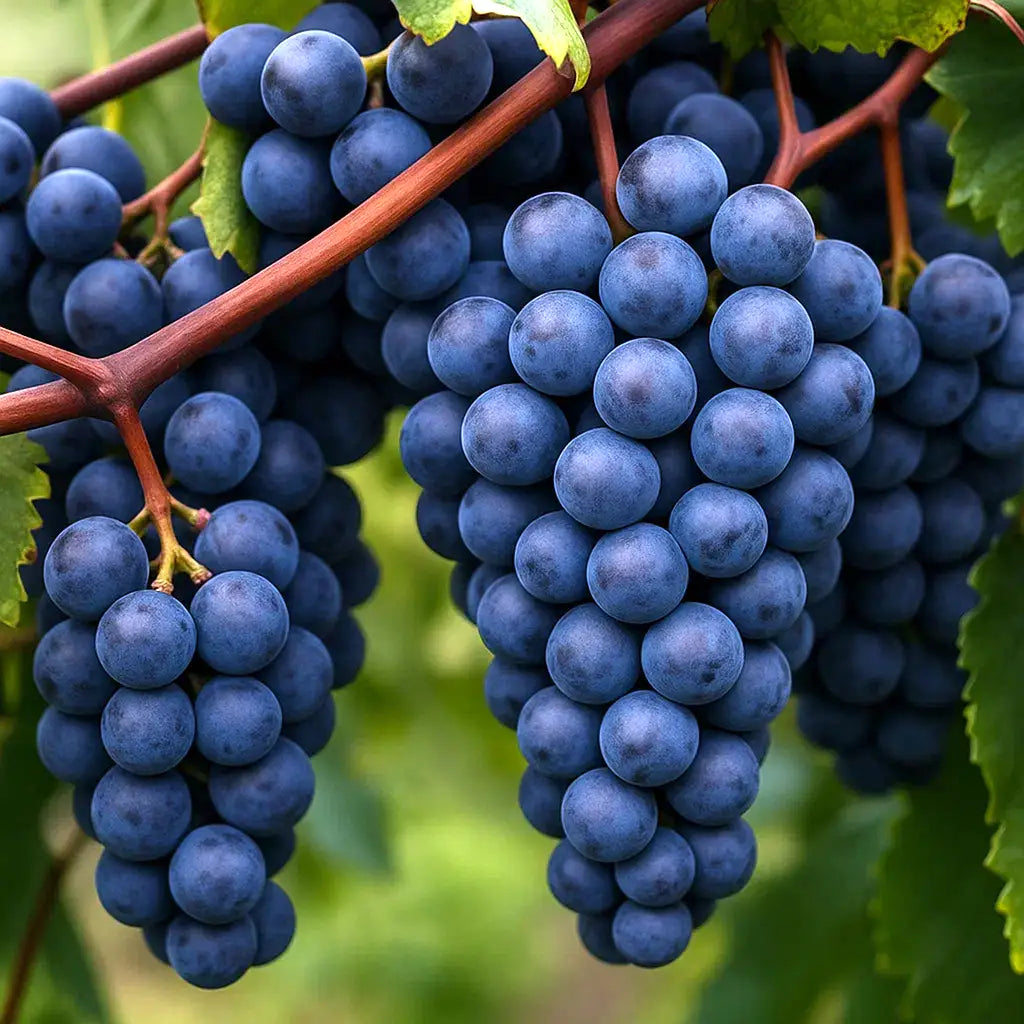
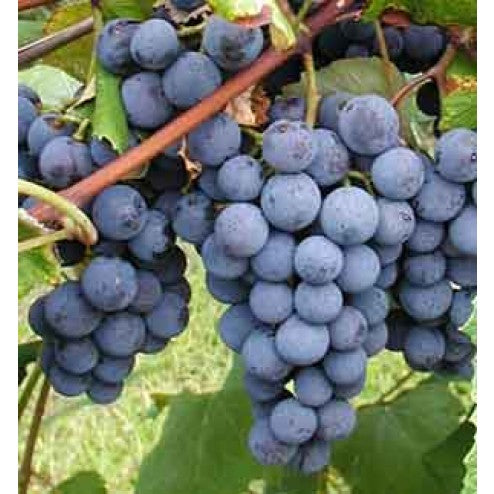
The Concord Grape Vine is a classic American variety prized for its rich flavor, vigorous growth, and versatility. Known for producing the famous “Concord grapes,” this hardy woody deciduous vine thrives in full sun and makes an excellent addition to both home gardens and larger landscapes. Its climbing nature allows it to be trained along trellises, arbors, fences, or posts, creating a functional and attractive feature in the garden. When planted as close as 6 feet apart, Concord Grapevines form a productive and ornamental vineyard setting.
Climate & Growing Conditions
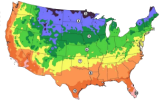
Concord grapes are self-fruitful, meaning they do not require another vine for pollination, but they do need warmth and heat to fully ripen the fruit. Best grown in well-draining soil, these vines establish deep roots and prefer consistent watering during the growing season. They perform well in regions with hot summers and cold winters, adapting to a wide range of climates.
Soil & Watering
-
Soil Requirements: Plant in loose, well-drained soil to prevent waterlogging and root diseases.
-
Watering Schedule:
-
Winter: No supplemental water is needed during dormancy.
-
Spring: Water once per week after leaf-out.
-
Summer: Increase watering to 2–3 times per week as heat intensifies.
-
Fall: Gradually reduce watering as the vine slows growth, being careful not to overwater.
-
Because grapevines are prone to fungal diseases like powdery mildew and rust, proper watering and airflow are essential.
Fungus Prevention
To maintain healthy foliage and fruit, apply organic fungicides such as liqui-cop or horticultural neem oil as preventative treatments during the growing season. This helps reduce the risk of powdery mildew and other common grapevine issues.
Fertilization
-
Winter: Till the topsoil and apply organic matter such as manure and compost before spring growth begins.
-
Spring & Summer: Use a balanced organic fertilizer with a 1-1-1 or 2-1-1 NPK ratio (e.g., 5-5-5 or 6-3-3) in spring. Reapply a growth formula during summer to support vigorous vine and fruit development.
-
Fall: Avoid high-nitrogen fertilizers. Instead, apply a formula lower in nitrogen but higher in phosphorus and potassium (e.g., 4-12-12 NPK) to prepare the plant for dormancy.
Concord Grape Vine Pruning & Maintenance
Annual winter pruning is critical for Concord Grape vines, as grapes grow on new canes. Pruning encourages vigorous new growth, improves air circulation, and ensures high-quality fruit production. Proper pruning also maintains the vine’s shape, making it easier to train on trellises or arbors while supporting long-term productivity.
Uses
The Concord grape is famous for its bold, sweet flavor and distinctive aroma. It is enjoyed fresh, but also widely used for juices, jams, jellies, wines, and baked goods. With its lush green foliage and decorative climbing habit, the Concord Grape Vine serves both as a fruit producer and an ornamental landscape feature.
Step One:
Soil and Planting: Plant in soil that drains well. Dig a hole that is as deep as the tree’s roots and at least twice as wide.
Step Two:
Place the tree in the hole and backfill around the plant’s roots with a mixture of the native soil and high-quality planting mix that has washed sand and organic fertilizer.
Step Three:
Create a basin around the roots drip zone so that water collects. Water deeply until the roots and nearby soil is saturated and reaches field capacity.