

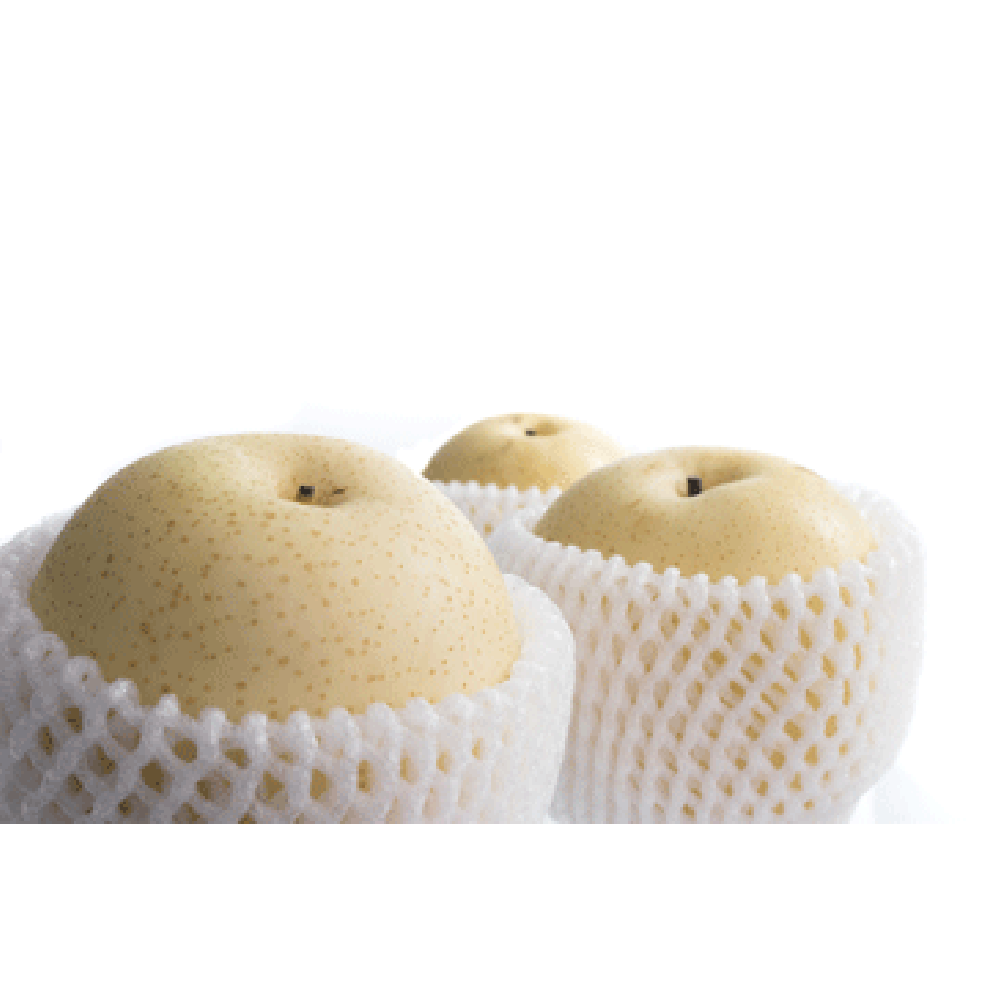
Shinseiki Pear Tree
$150.00
Shinseiki Pear Tree Information and Care
The Shinseiki Pear tree (Pyrus) is a woody deciduous tree. It produces tiny white blossoms in the Spring and pomaceous fruit in the Summer. Plant in the full sun or partial shade. Find a good location with soil that drains well. Use high-quality planting mix and fertilizer and provide good spacing. The Bartlett Pear tree is easy to grow.
Tree Size - How To Trim and Much Space To Provide
At home orchards, many keep Shinseiki Pear trees less than 10 feet wide and tall. However, trees can grow over 20 feet tall and wide. Prune trees in the Winter and provide Summer thinning to keep trees at a desired size.
Pruning and Thinning
Cut the tip of the tree to reduce the height and promote side branches to grow. Remove any dry twigs or growth below the main branches and graft. Prune off any branches crossing towards the center of the tree or far inside the tree where the little light will reach.
Watering Pear Trees – How Much and How Often
Pear trees thrive with deep, but infrequent irrigation water. Begin to water newly planted trees weekly once the tree leaves out in the early Spring. Increase the frequency as the weather warms up in the Spring to Summer. It’s normal to water 3 times per week during Summer heat waves in sandy loam soils. Reduce the frequency as temperatures reduce in the Fall. Discontinue watering in the Winter while the tree is dormant.
Fertilizing Pear Trees – How to Feed a Pear Tree
Fertilize your Shinseiki Pear tree with organic fruit tree fertilizer. Use bone meal and humus based conditioners in the Winter. The low nitrogen, but higher phosphorus and potassium fertilizer with 1-2-2 or 1-4-4 NPK ratio will promote Spring blossoms and fruit development.
Apply higher nitrogen fertilizers such as steer manure and blood meal or feeds where the NPK ratio is 2-1-1 or 3-1-2 in early Spring for good growth through the Summer. Do not fertilize in the Fall, since we do not want to push growth during this time. Growth during the Fall would be weak and lanky. Use high quality trusted materials so the contents are known. If using compost, apply it sparsely during the early Spring while the weather is cool.
Pear Pests Management
Use organic horticultural oils such as Neem oil during the Winter to reduce and prevent soft-bodied Spring insects.

Snow Queen Nectarine Tree
$150.00
Snow Queen Nectarine Tree
The Snow Queen nectarine tree reigns as a taste test winner, celebrated for its exceptional qualities. This sweet and juicy early-season white freestone delights palates with its succulent flavor. Harvested in late June in Central California, it ripens an impressive 2-3 weeks ahead of the Babcock peach, making it an eagerly awaited treat. A long-time favorite in Southern California, this nectarine tree thrives in the region's warm climate. With a low chilling requirement of 250-300 hours, it ensures a fruitful harvest, and being self-fruitful adds to its appeal as a valuable addition to any garden or orchard.
Snow Queen Nectarine Trees Fruit Description:
The Snow Queen nectarine boasts a royal allure with its luscious white freestone flesh. Exuding natural sweetness and juiciness, it pleases the palate with a delightful burst of flavor. Its early-season harvest makes it an irresistible delight for fresh consumption and culinary creations alike.
Snow Queen Nectarine Tree Description:
The Snow Queen nectarine tree graces the landscape with elegance and charm. Its blossoms herald the arrival of Spring, showcasing a captivating display of beauty and fragrance. The tree's lush green leaves form a vibrant canopy, providing a welcoming shade in warmer months. Beneath the soil, the well-established root system ensures stability and efficient nutrient uptake, promoting its robust growth and productivity. The smooth bark adds to the tree's overall visual appeal.
Uses:
The Snow Queen nectarine is a culinary gem, perfect for a variety of uses. Its sweet and juicy flesh elevates the joy of enjoying fresh, ripe nectarines during the early season. These nectarines are excellent additions to fruit salads, smoothies, and desserts, infusing them with their delightful flavor and eye-catching white flesh. Their early harvest also makes them ideal candidates for preserving in jams and preserves, capturing their essence for year-round enjoyment.
History
The Snow Queen nectarine's storied history is rooted in its triumph as a taste test winner, earning it esteemed recognition for its outstanding flavor. It's early-season nature and white freestone characteristics have made it a cherished favorite in Southern California, captivating the taste buds of fruit enthusiasts for generations. As a low-chill nectarine variety, it thrives in regions with milder winters, contributing to its widespread popularity. Being self-fruitful ensures a reliable harvest, and its versatility in culinary uses makes it a valuable choice for both home gardeners and commercial growers.
The history of nectarines and their various types is a fascinating journey that stretches back thousands of years. Despite its botanical name “Prunus Persica” linking it to Iran, genetic studies indicate that nectarines originated in China. While early cultivation was believed to have started around 2000 BC, recent evidence points to an even earlier origin in China’s Zhejiang Province, dating back to 6000 BC. From China, nectarines made their way to West Asia and Iran, where they were cultivated and appreciated for their unique qualities. Subsequently, they were introduced to Greece and Rome, becoming cherished fruit in these ancient civilizations. The allure of nectarines continued to spread, reaching northern Europe and England by the sixteenth century, capturing the hearts of people across various regions.
In the course of history, nectarines crossed the oceans and found their way to the United States, thanks to the efforts of the Spaniards who brought and planted them in California. This marked the beginning of nectarine cultivation in the United States, where they flourished in the sunny climate of California, contributing to the diversity of fruits available to Americans. Throughout the centuries, nectarines have undergone further cultivation and breeding, leading to the development of various types with distinct characteristics. Today, numerous nectarine varieties exist, each offering its own flavor, texture, and appearance. From traditional yellow freestone nectarines to white nectarines, each type holds a special place in the hearts of fruit enthusiasts and continues to be enjoyed worldwide. The journey of nectarines from their ancient origins in China to their spread across continents highlights the enduring appeal of this delectable fruit. As its popularity continues to grow, the history of nectarines stands as a testament to the appreciation of nature’s bounties and the ingenuity of human efforts to cultivate and cherish these remarkable fruits.
Sour Orange Tree - Naranj Shiraz - نارنج
from $1,500.00
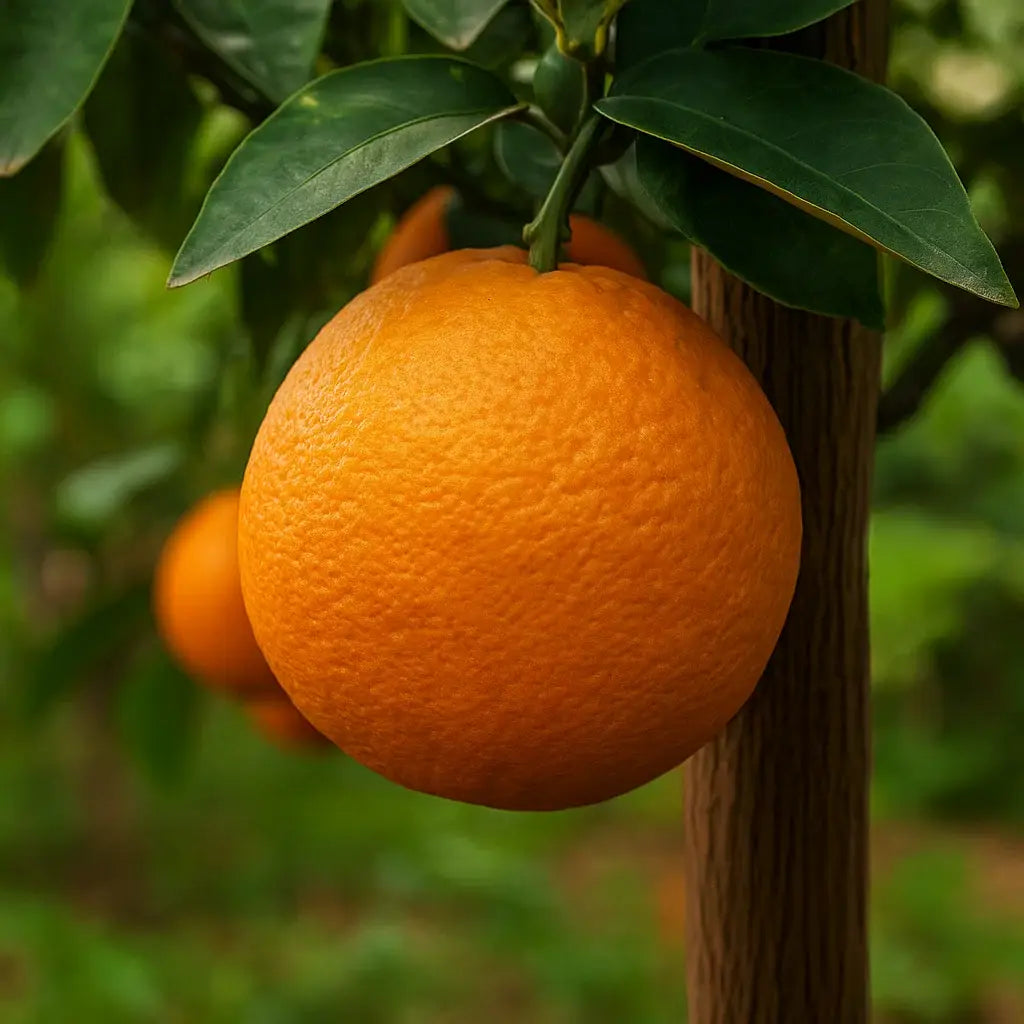
Citrus × aurantium, commonly known as Sour orange or Seville orange, is a hybrid citrus fruit resulting from the cross between a pomelo (Citrus maxima) and a mandarin (Citrus reticulata). This fruit is primarily known for its sour, bitter flavor and is widely used in cooking, traditional medicine, and essential oil production. Unlike sweet oranges, bitter oranges have a more astringent and aromatic quality.
Key Characteristics
Fruit Appearance: The fruit has a thick, rough, and orange-colored rind. The flesh is sour and bitter with a relatively high acidity.
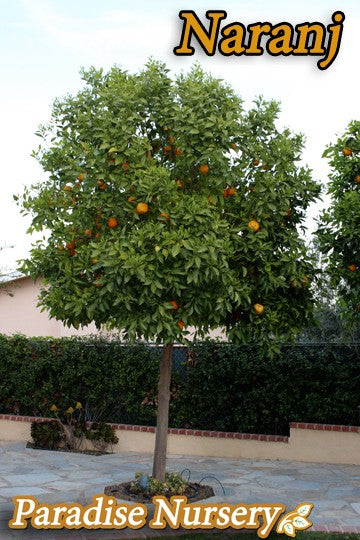
Tree Size: Citrus × aurantium trees can grow to around 20-30 feet tall and are typically evergreen. They have dark green, glossy leaves and fragrant white flowers.
Flowers: The blossoms are highly fragrant and are often used to produce orange blossom water, a common ingredient in Middle Eastern and Mediterranean cuisine.
Uses of Citrus × aurantium
Marmalade: The bitter, aromatic flavor of Seville oranges makes them the primary fruit used in making traditional marmalade.
Culinary Uses: Bitter orange is used to flavor sauces, liqueurs (such as Curaçao and Triple Sec), and as a spice in Middle Eastern dishes.
Medicinal Uses: Bitter orange is used in traditional medicine to aid digestion, treat colds, and as a weight-loss supplement (though care should be taken due to potential side effects from the compound synephrine).
Perfumes and Essential Oils: The rind of the fruit is used to extract essential oils, which are often used in perfumes, cosmetics, and aromatherapy. The oil derived from the flowers is known as neroli oil and the oil from the leaves is called petitgrain.
Growing Conditions
Sunlight: Like other citrus trees, Citrus × aurantium requires full sun for optimal growth and fruit production.
Soil: It prefers well-draining, sandy or loamy soils with a slightly acidic to neutral pH (6.0-7.0).
Watering: Water the tree deeply and regularly during the growing season, but allow the soil to dry out between waterings to avoid root rot.
Temperature: Bitter orange trees thrive in USDA hardiness zones 8-11. They tolerate light frost but should be protected from extended cold periods.
Harvesting
Bitter oranges are typically harvested in winter and early spring. The fruit is ripe when the skin turns a bright orange, but they remain firm and slightly hard.
Historical Significance
Citrus × aurantium has been cultivated for centuries and is believed to have originated in Southeast Asia. It was brought to Europe and the Mediterranean region via trade routes and has since become a key component in European and Middle Eastern cuisine. Seville, Spain, is particularly famous for its cultivation of bitter oranges, which are used to make the renowned Seville orange marmalade.
Spice Zee Nectaplum
$150.00
Spice Zee Nectaplum Tree Information and Care
Plant the Spice Zee Nectaplum tree in the full sun or part shade. As a relatively small tree, space as little as 10 feet apart. Provide more space for trees intended to grow wide or for more space between trees.
As a deciduous tree, do not provide supplemental water in the Winter while dormant. Start watering regularly in the Spring once the tree leafs out. Most newly planted trees need water once per week, then increase the frequency to twice per week once the weather becomes hot in the Summer. Fall bring lower temperatures, thus a reduction in water frequency. Reduce frequency until water is discontinued in the Winter.
Fertilize nectaplum trees with organic fruit tree fertilizers such as bone meal, blood meal, humus, and manure. Provide manure and higher phosphorus and potassium fertilizers like bone meal in the Winter before Spring growth along with manure. Apply higher nitrogen fertilizers like blood meal and other granular fertilizers in the Spring and Summer growing season.
Prune to maintain size and structure in the Winter while the tree is dormant. Thin trees of dry branches, too many fruits, and suckers in the Summer.
Use organic horticultural oils in the Winter to prevent soft-bodied insects during the growing season. Use repellents and cover your trees with netting when the fruit ripens to keep birds and rodents from your harvest.
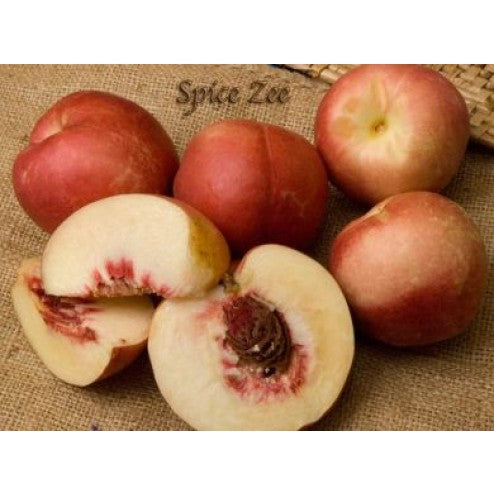
As a nectarine dominant tree, the nectaplum has a hard "stone" in the center of the fruit. The flesh is white with red color near the pit. The fruit size and shape prominently display feature of plum. A lovely and unique flavor and a great choice for the home orchard. Trees produce many fruits quickly. Plant a nectaplum with your other stone fruit and enjoy plentiful harvests and unique fruits for years to come.

Star Jasmine Plants
from $45.00
Gorgeous vine that produces star shapes whites flowers that very aromatic. Can be trained to grow up posts, trellises, fences, and wall. They can also be grown as ground cover or kept in pots.

Strawberry Papaya Tree - Carica Papaya
$60.00
Strawberry Papaya Tree For Sale
The Strawberry Papaya Tree is a small, fast-growing tropical fruit tree that does well in warm climates. It’s known for its bright red-orange fruit with a sweet flavor and smooth texture. This variety is hardy to about 38°F, making it best suited for subtropical and tropical areas.
Fruit Description:
Strawberry Papayas are medium-sized fruits with red flesh that’s sweet, refreshing, and perfect for eating fresh. The fruit has a softer texture than other papayas, making it a favorite for blending into smoothies, fruit bowls, and desserts.
Strawberry Papaya Tree Description:
This papaya tree grows about 6–8 feet tall with a similar spread, so it’s a great option for smaller gardens or even containers. It blooms from late spring into summer and produces fruit from summer through fall. With its lush, green foliage and colorful fruit, it brings both beauty and flavor to your yard.
Uses:
Strawberry Papayas are versatile and can be:
Enjoyed fresh on their own
Blended into juices and smoothies
Added to fruit salads or tropical desserts
Buy Strawberry Papaya Tree:
Visit our nursery to see the Strawberry Papaya Tree in person, or order for delivery to enjoy a piece of the tropics at home.
Specifications: 15-gallon size trees are generally about 4–5 feet tall with several healthy branches and a sturdy trunk.


Tango Mandarin Tree
from $190.00
Tango Mandarin Tree For Sale
Sweet, seedless, and easy to peel. Tango Mandarin's marketed as the popular "Cuties". Tango has become a major variety grown in California by the largest growers since its release in 2006 by the University of Riverside. It's an offshoot of Honey mandarin and is now found throughout the United States, Europe, and Australia.
Fruit Description
An excellent and beautiful piece of fruit. 'Tango' fruits are medium-sized fruits that are about 2.5 inches in diameter, and the shape is like a flat sphere with the top and bottom squashed. Deep orange color with smooth skin and sweet, tangy, juicy, and delicious flesh. Very easy to peel. Tango mandarin has 9 to 12 segments that are tender, juicy, and mostly seedless. The rind is thin, smooth, and orange in color.
Tango Mandarin Tree Description
The Tango mandarin tree can produce ripe fruits from Winter to Spring, usually around February to April in Southern California. Late January in most of California, and early December in the Desert. Fruit can be kept on the tree for 3 to 4 months. Therefore, it's also a very ornamental tree. They bear an abundant crop of fruits for the size of the tree.
Planting
Plant your tango mandarin trees as close as 10 feet apart from each other. In commercial orchards, there are 20 feet between rows for equipment. However, leave much less space between rows in home orchards. Trees are mature at 10-15 feet tall. In other words, a very small tree. They are also self-fertile with no pollinator requirement. Cold hardy to 32 degrees Fahrenheit. Mandarin trees are less cold-hardy than orange trees.
Buy Tango mandarin trees in-store or online, and then schedule for delivery by truck or pick-up in Chatsworth, Los Angeles, California at your convenience. Our trees are available in 5-gallon, 15-gallon, 25-gallon, and 36 boxes in Standard and Semi-dwarf forms.
Tecoma stans - Yellow Bells / Yellow Trumpet Vine
$21.00
Tecoma stans (Yellow Bells / Yellow Trumpet Bush) Information and Care
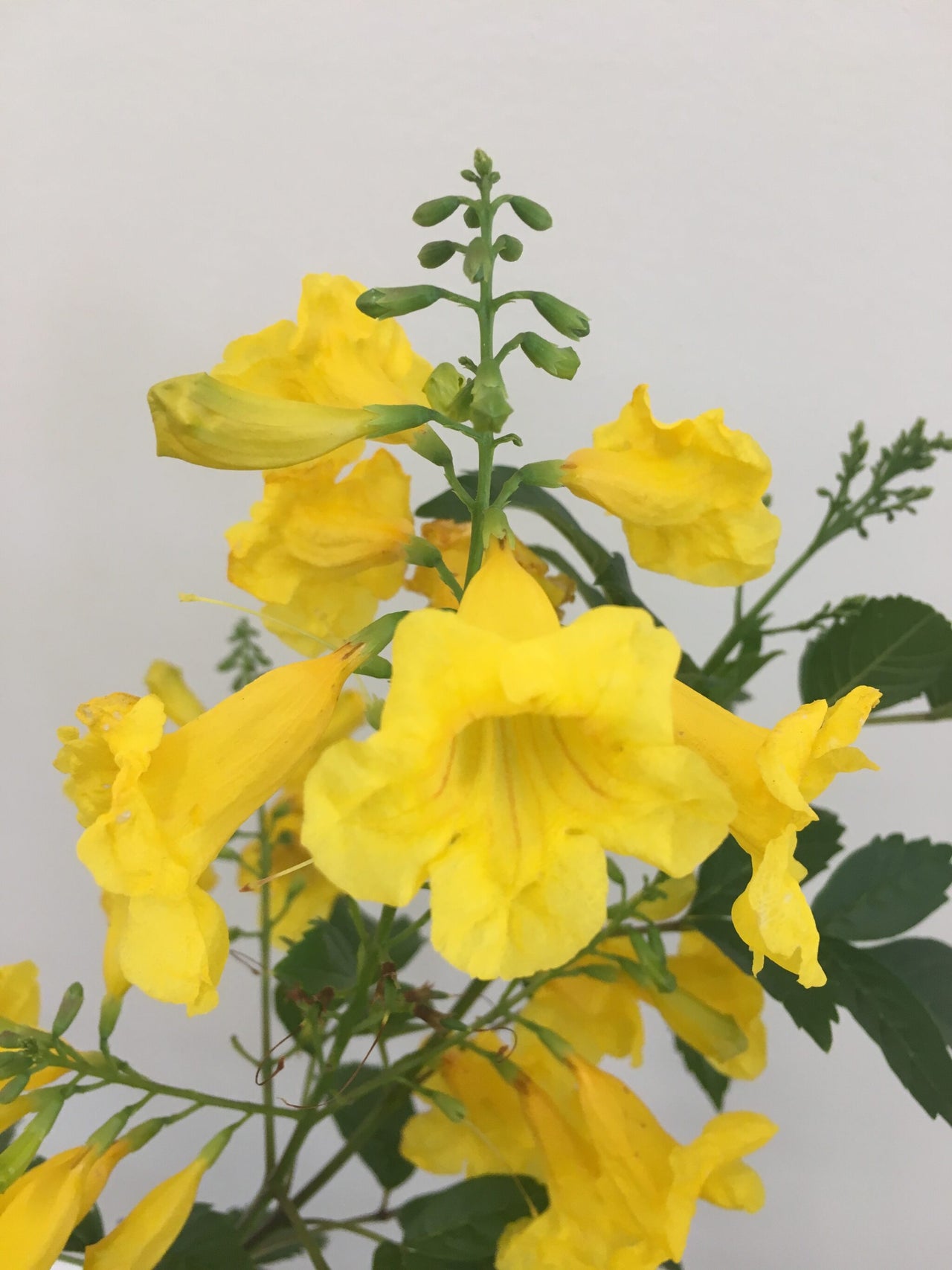
Tecoma stans are a stand out in any garden for their showy, trumpet shape, bright yellow flowers. Their relatively big, about 2-3" long. They blossom and in the Spring and Summer and attract butterflies, humming birds and bees.
This is because their flowers color, size, and shape are bright, large, and co-evolved with birds long beak. Followers are followed by the products of pods with papery wings that hold their seeds. The plant produce this in the fall.
Plant in the full sun, and soil that drain well. Water regularly during the Spring and Summer months to establish plants. Fertilize in the Spring and summer with an all purpose fertilizer like 15-15-15 (triple 15). Trim to maintain size and shape. Train as an evergreen climber or cut back like a shrub.
Much as other climbing vines, Yellow Bells can grow over 20 feet if allowed. Proper maintenance include removing dry twigs and branches. As well as growth towards the center of the plants and cross each other. Remove new growth from lower on the plant to direct the plant energy to the main branches.
Trim them to not let allow to over fill an area. They grow so easy, they can become a weed that need to be cleaned up from time to time. Do not stake or cut back to grow as a ground cover. As a result they will spread naturally.
Their bright green leaves are oppositely arrange, pinnately compound, toothed leaflets are about 3" long and pointed at the tip. Also, their tubular flowers are about 2" long, very showy and long lasting.

Thompson Seedless Grape Vine
$35.00
Thompson Seedless Grape Vine (Seedless) Care and Information
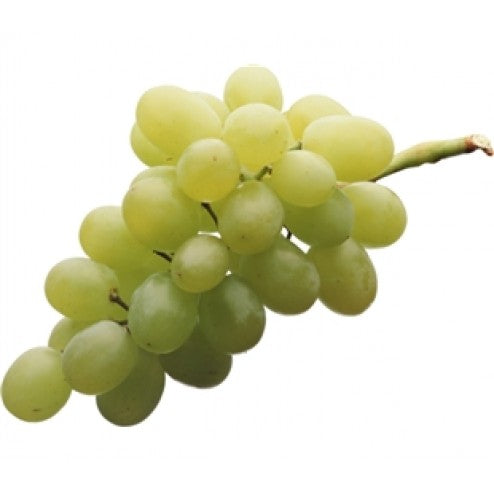
Plant the Thompson Seedless Grape vine in the full sun. Train this woody deciduous vine on a trellis, wall, arbor, or post. Plant as close as 6 feet apart. Flowers are self-fruitful but need heat to mature the fruit. Grape vines can be a very ornamental plant in the landscape.
How to Water, Prune, And Fertilize Grape Vine
Plant in soil that drains well. As a deciduous plant, do not provide supplemental water while dormant in the Winter. Prune grape vines during this time to prepare for Spring growth. Begin to water once plants leaf out in the Spring. Irrigate about once per week. Increase the frequency to 2 - 3 times per week as the temperature increases in the Summer. Reduce the irrigation frequency as it cools in the Fall. Grape vines can be affected by fungi such as powdery mildew and rust, so make sure not to keep the soil wet all the time.
Use an organic fungicide such as liqui-cop or horticultural Neem oil to prevent or treat for common fungus like powdery mildew.
Till the top layer of the soil in the Winter and apply some manure along with organic fertilizers before Spring growth. Also fertilize the grape vine in the Spring with a balance organic fruit tree fertilizer with a 1-1-1 or a 2-1-1 NPK ratio, such as (5-5-5)or (6-3-3). Reapply growth formula fertilizer in the Summer. Do not fertilize in the Fall as this the time the tree has slowed growth. Apply a fertilizer with low nitrogen and high phosphorus and potassium with a 1-2-2 or 1-4-4 NPK ratio like a 4-12-12 NPK analysis.
The flowers and future fruit of grape vines on new growth are called canes. Flowers initiate on young canes. Prune every year to keep this growth healthy and rejuvenated yearly.
Valencia Orange Tree
from $70.00
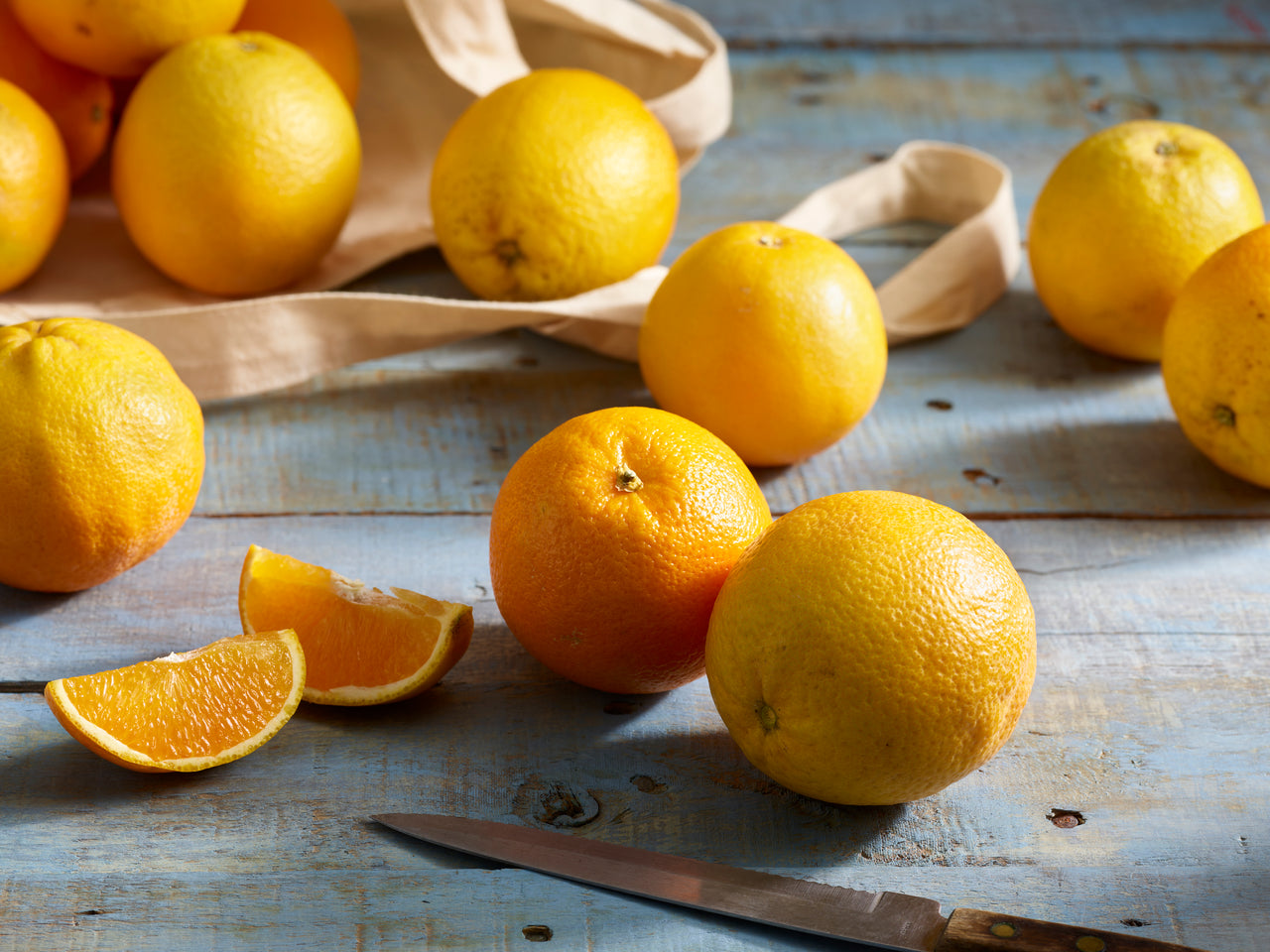
Valencia oranges are one of the most popular orange varieties, known for their sweet, juicy flavor and vibrant color. They are prized for making juice and are often referred to as the "summer orange" because they ripen later than other varieties. The fruit is typically medium to large, with a thin, smooth skin that turns a bright orange when fully ripe. Valencia oranges are nearly seedless and have a high juice content, making them ideal for both fresh eating and juicing.
Growth and Planting Conditions
Sunlight: Valencia Orange trees require full sun to thrive. Make sure to plant them in a location where they receive at least 6-8 hours of direct sunlight each day.
Soil: These trees prefer well-draining, sandy or loamy soil. Ensure that the soil is slightly acidic to neutral with a pH range of 6.0 to 7.5.
Temperature: Valencia Orange trees grow best in warm climates. They are suitable for USDA Zones 9-11 and need protection from frost. In colder regions, growing them in containers allows you to bring them indoors during winter.
Spacing: When planting Valencia Orange trees, space them about 12-15 feet apart to allow for proper air circulation and root growth.
Watering and Irrigation
Watering Schedule: Regular watering is essential, especially during the first few years after planting. Water the tree deeply about once a week, ensuring the soil is moist but not waterlogged.
Summer Watering: Increase the frequency of watering during hot, dry periods, especially when the tree is fruiting. In hotter climates, watering 2-3 times a week may be necessary.
Mulching: Apply a layer of mulch around the base of the tree to retain soil moisture and prevent weeds. Make sure the mulch doesn’t touch the trunk to avoid rot.
Fertilization
Fertilizer Type: Use a citrus-specific fertilizer with a balanced NPK ratio, such as 6-4-6, during the growing season.
Application: Fertilize the tree 3-4 times a year, starting in early spring and continuing through summer. Be sure to include micronutrients like magnesium, zinc, and iron to support healthy foliage and fruit production.
Organic Options: For a natural approach, organic fertilizers like compost and manure can provide the nutrients needed for steady growth.
Pruning
Timing: Prune Valencia Orange trees in late winter or early spring before new growth begins.
Method: Remove any dead, diseased, or crossing branches to improve air circulation and allow sunlight to penetrate the canopy. This helps prevent disease and promotes healthy fruit production.
Shaping: Prune to maintain a manageable size and shape, especially if you are growing the tree in a container.
Pest and Disease Control
Common Pests: Watch for common citrus pests such as aphids, spider mites, and citrus leaf miners. Treat infestations with neem oil or organic insecticidal soap.
Disease Prevention: Prevent fungal diseases like root rot by ensuring proper drainage. Keep the tree well-pruned to allow for good airflow around the branches and leaves.
Harvesting and Fruit Characteristics
Harvest Time: Valencia oranges ripen later than other citrus varieties, usually in late spring to summer. The fruit may stay on the tree for several months without losing quality, which allows for an extended harvest.
Ripeness Indicators: Valencia oranges develop their full sweetness when left on the tree until fully ripe. The fruit should have a deep orange color and feel firm to the touch.
Usage: These oranges are excellent for juicing due to their high juice content, but they are also great for eating fresh.
History of Valencia Oranges
Valencia oranges were developed in the mid-19th century by American agronomist William Wolfskill in Southern California. He named the variety after Valencia, Spain, a region known for its sweet oranges. The Valencia orange quickly became the preferred variety for juice production due to its high juice content, fewer seeds, and superior flavor. Today, it remains one of the most important commercial orange varieties globally, especially in juice production.

Valentine Pummelo Tree
$170.00
Valentine Pummelo Tree
The Valentine Pummelo is a true showstopper in the world of citrus, prized for its massive fruit, vivid color, and exceptionally sweet flavor. A complex tri-hybrid—crossbreeding the Siamese Sweet Pomelo, the Ruby Blood Orange, and the Dancy Tangerine—it inherits the best traits of all three. With its large, glossy leaves and heavy clusters of "blooming" fruit, this tree serves as a magnificent focal point for any Southern California garden, offering a gourmet harvest that looks as good as it tastes.
Climate & Growing Conditions
The Valentine Pumsmelo is a sun-loving variety that thrives in the Mediterranean climate of Southern California, performing exceptionally well in Riverside, San Diego, and Orange Counties. It requires full sun to develop its high sugar content and deep red interior pigmentation. While Standard trees can grow quite large, the Semi-Dwarf form is highly recommended for home orchards, reaching a manageable 8–12 feet tall. It prefers well-draining soil and is sensitive to heavy frost, so planting it in a warm, south-facing spot or near a wall that retains heat is ideal for winter protection.
Fruit Description
The fruit is large and pear-shaped with a smooth, bright lemon-yellow rind. The real magic happens when you slice it open: the interior features vibrant, rosy-red segments that are incredibly juicy and tender. Unlike many traditional pummelos that can be dry or pithy, the Valentine is succulent and firm. It is remarkably low in acid, offering a floral, honey-like sweetness with a sophisticated berry-like undertone inherited from its blood orange parentage.
Culinary Uses
The Valentine Pummelo is a versatile fruit that shines in both sweet and savory applications:
Fresh Eating: The segments are firm enough to be "peeled" out of their membranes and eaten like candy.
Winter Salads: The red segments provide a stunning visual contrast when tossed with avocado, mint, and a light vinaigrette.
Gourmet Juicing: Its juice is a beautiful pink hue and naturally sweet, requiring no added sugar for a refreshing morning drink.
Dessert Garnish: Use the jewel-toned segments to top citrus tarts, panna cotta, or sorbet for a high-end presentation.
Household & Health Benefits
Vitamin C Powerhouse: One fruit provides more than the daily recommended intake of Vitamin C, supporting immune health and collagen production.
Heart Healthy: Rich in potassium and fiber, which are essential for maintaining healthy blood pressure and digestion.
Lycopene Rich: The red pigmentation in the flesh is a source of lycopene, a powerful antioxidant known for its health-boosting properties.
Landscaping & Aromatherapy
The Valentine Pummelo is an architectural beauty. Its large, dark green leaves create a tropical feel and provide dense shade. In early spring, the tree produces oversized white blossoms that are among the most fragrant of all citrus, releasing a deep, heady perfume that can be smelled from across the yard. Its tendency to produce large, heavy fruits makes it a conversation piece throughout the winter months as the yellow "globes" ripen against the dark foliage.
Valentine Pummelo Tree Care & Maintenance
Planting: Choose a location with maximum sun exposure and protection from strong winds, which can scar the heavy fruit. Use a high-quality citrus planting mix to ensure the root ball doesn't sit in standing water.
Watering: Pummelos require deep watering to support their large fruit size. Water twice weekly in the summer and adjust based on rainfall in the winter. Mulching around the base can help retain necessary moisture.
Fertilizing: Feed with a balanced citrus fertilizer (NPK 2-1-1) in late winter, late spring, and late summer. Because it produces such large fruit, it is a "heavy feeder" and benefits from micronutrients like zinc and iron.
Pest Resistance
The tree is generally vigorous and hardy. Monitor for common citrus pests like the Citrus Leafminer or Scale. Because the fruit is heavy, ensure the tree is pruned to have strong, well-spaced branches that can support the weight of the harvest without snapping.
History of the Valentine Pummelo
The Valentine Pummelo is a modern triumph of citrus breeding. It was developed by the University of California, Riverside citrus breeding program and officially released in 2009. It was specifically selected for its unique ripening window; because it reaches peak sweetness and its deepest red color in mid-February, it was aptly named "Valentine." It has since become a sensation among rare fruit growers for its unique pedigree and stunning aesthetic.
Washington Navel Orange Tree
from $70.00
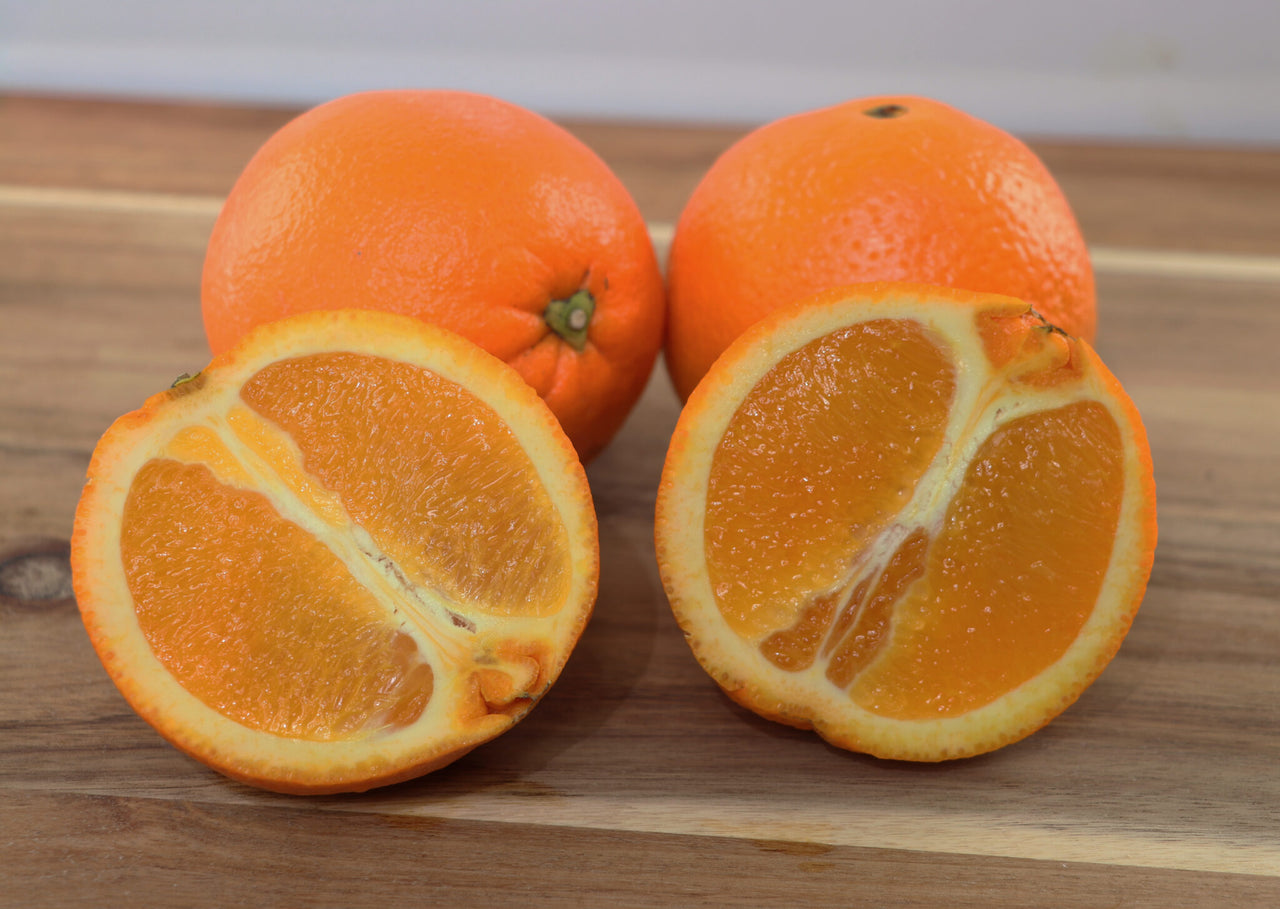
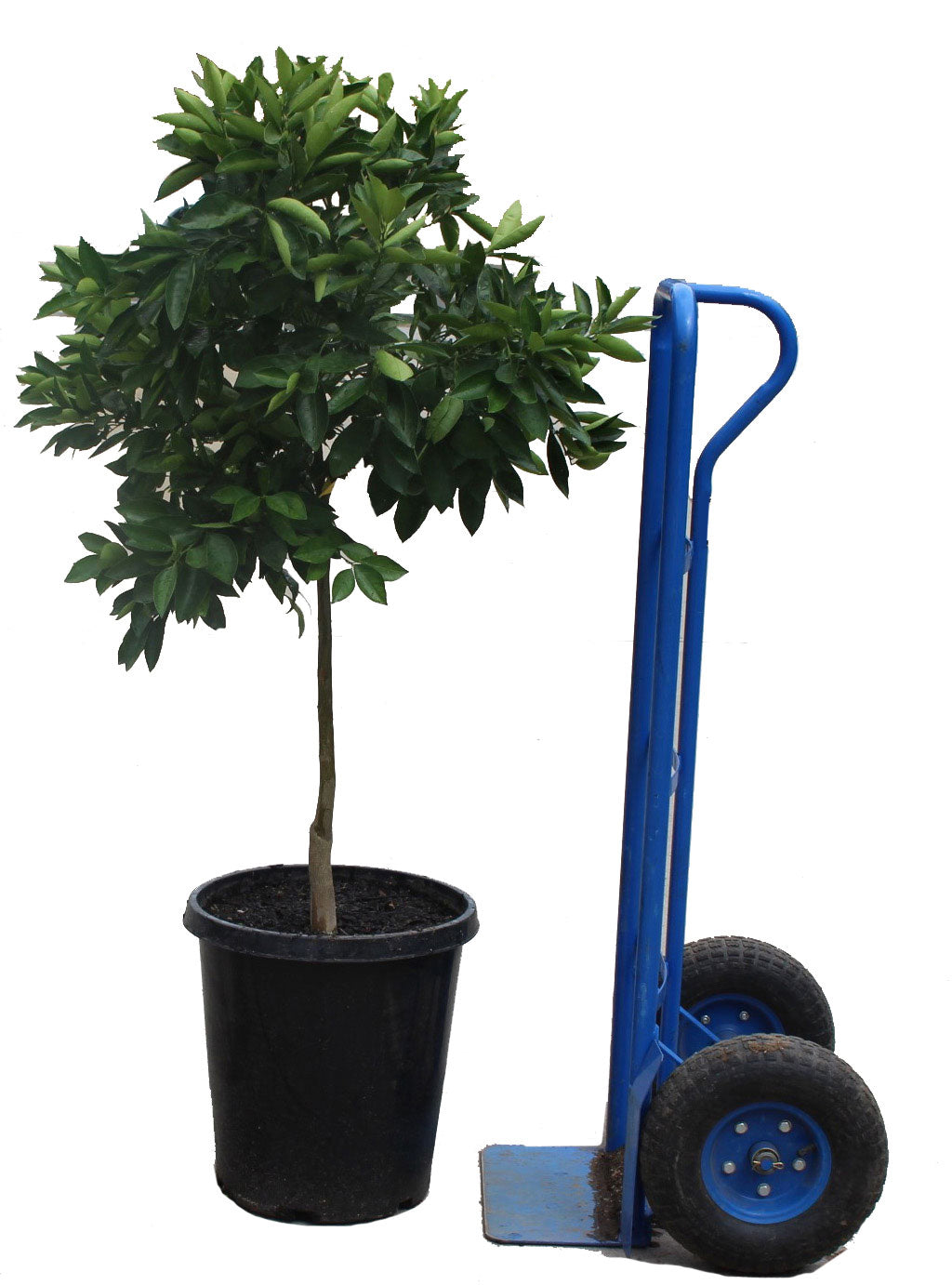
The Washington navel orange tree (Citrus sinensis) is a popular variety of sweet orange known for its seedless and easy-to-peel fruit. It's one of the most widely grown and consumed orange varieties in the world.
Here are some key characteristics and information about the Washington navel orange tree:
Origin: The Washington navel orange originated in Brazil in the early 19th century. It was later introduced to the United States, specifically to Riverside, California, in 1870.
Fruit Characteristics:
Seedless: One of the defining characteristics of the Washington navel orange is that it is almost entirely seedless, making it a favored choice for eating out of hand.
Easy to Peel: The fruit is also known for being easy to peel, which is convenient for consumption.
Tree Characteristics:
Growth Habit: The Washington navel orange tree is typically a medium-sized tree with a rounded canopy.
Leaves: The leaves are glossy, oval-shaped, and dark green in color.
Climate and Growing Conditions:
Climate: These trees thrive in subtropical to Mediterranean climates. They prefer mild, frost-free winters and warm, dry summers.
Soil: They do well in well-drained soil with a slightly acidic to neutral pH level.
Cultivation:
Propagation: They can be propagated from seeds, but for consistent fruit quality, it's better to use grafting techniques.
Spacing: Trees should be planted about 10 to 15 feet apart.
Harvesting:
Washington navel oranges are typically harvested in the late fall through early spring months, depending on the specific climate and growing conditions.
Common Uses:
These oranges are primarily eaten fresh, either on their own or in salads and desserts.
They are also used for making juices and jams due to their sweet and flavorful juice.
Pests and Diseases:
Like all citrus trees, the Washington navel orange tree can be susceptible to pests like aphids, scale insects, and citrus leafminer. Diseases like citrus canker and greening can also be problematic.
Popular Varieties:
Besides the Washington navel, there are other types of navel oranges, such as the Cara Cara navel and the Late navel.
Commercial Importance:
Washington navel oranges are a major commercial crop in many citrus-growing regions around the world, especially in California, USA.
Wax Leaf Privet (Ligustrum Japonicum Texanum)
$65.00
Ligustrum Japonicum Texanum - Waxleaf Privet Care and Information
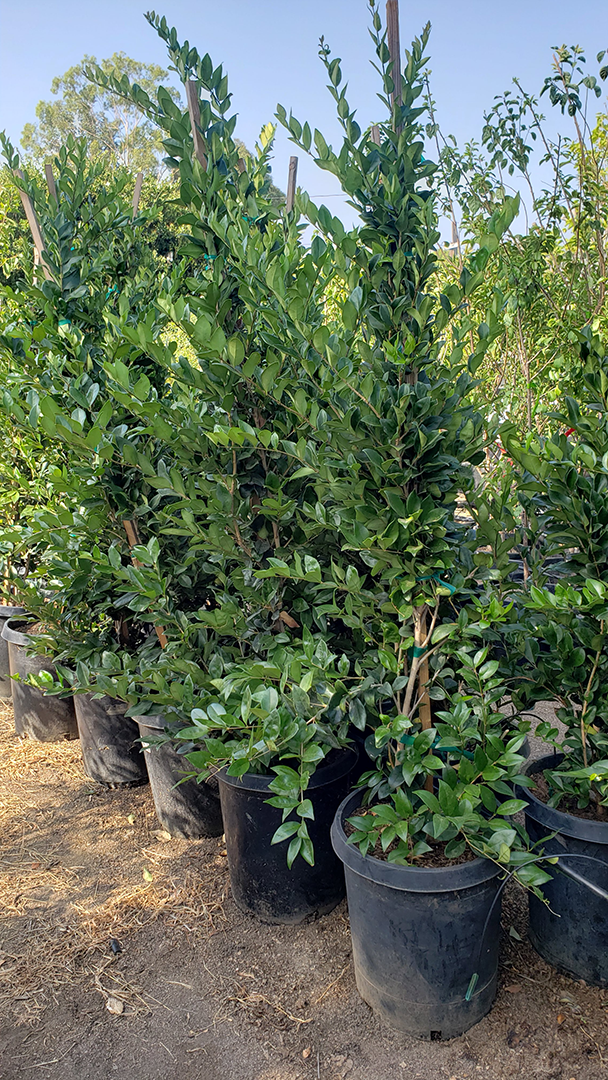
A Ligustrum hedge is a great way to create privacy! We recommend to plant them about 3ft apart from each other. If planted in good soil with proper drainage, they will do great in full sun and partially shaded areas. A Ligustrum privacy hedge is a great way to easily block views, wind, noise, and/or create a boundary. The Wax Leaf Privet grows at a moderate rate (1-2 ft per year) depending on soil, watering schedule and sun exposure. Once established, they are very hardy shrubs.
Wax leaf privets are relatively drought-tolerant once established. They can be sensitive to heavy pruning, so it's important to only trim them lightly to maintain their shape. Overall, the wax leaf privet is a popular choice for hedges and screens; due to its attractive foliage, fast growth rate, and tolerance of a variety of growing conditions.
Texas privet is another common name for the wax leaf privet (Ligustrum Japonicum 'Texanum'). This tree is native to Japan, Korea, and China, it's widely used as a hedge or screen plant in landscaping.
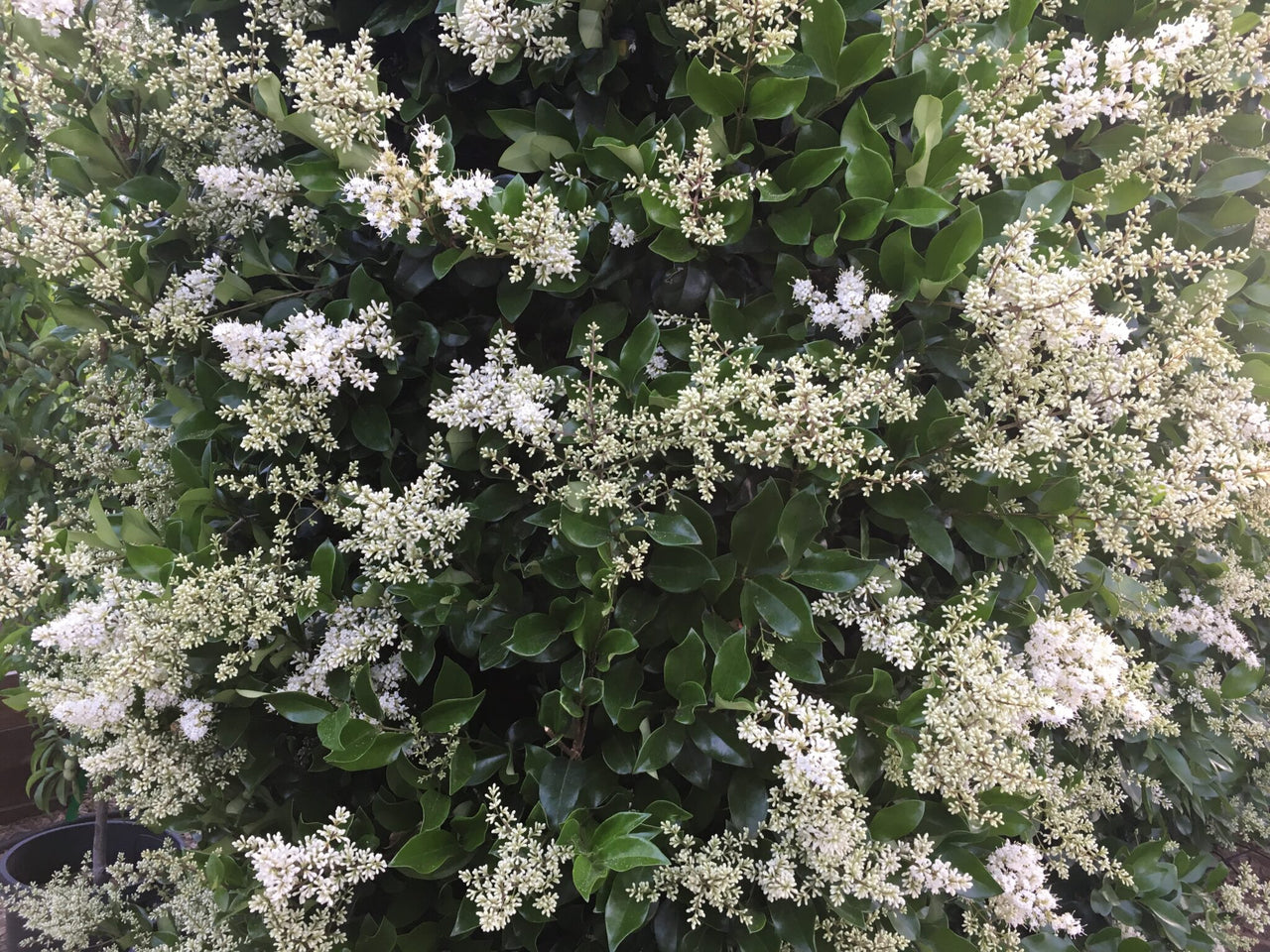
Texas privet has similar characteristics to the wax leaf privet; with glossy dark green leaves that are waxy and leathery in texture. It produces fragrant white flowers in the spring, and can grow up to 10-15 feet tall and 6-8 feet wide.
The name "Texas privet" may be used to distinguish this variety from other types of privet that are commonly grown in other regions. It is important to note that the use of the common name can be confusing. It is best to use the scientific name: Ligustrum Japonicum 'Texanum.'


Wine Barrel Planter
from $75.00
Our wine barrels are made out of French Oak, which is a tightly grained wood. It is a dense and durable hardwood, resistant to rot and decay. This makes it ideal for outdoor planters that need to withstand varying weather conditions over time. The natural tannins in French oak help protect it from insect damage, further extending the lifespan of the planter. Originally designed to hold liquids, they are excellent at retaining moisture while still allowing excess water to drain through the wood’s natural porosity. This is crucial for healthy plant root systems, which require consistent moisture without water-logging.
The use and harvesting of French Oak is done in a sustainable way. Regulations make sure forests don't get over harvested which can lead to damaging the local environment.
Wine barrels can be creatively repurposed for various plant-related uses:
Planters: Half wine barrels are popular as large planters for flowers, herbs, or small trees, providing a rustic look.
Raised Garden Beds: They can be used as raised garden beds for growing vegetables, making gardening easier on the back.
Water Gardens: Wine barrels can be converted into small water gardens or ponds, ideal for water plants like water lilies.
Composting: Full or half barrels can be turned into compost bins, offering a natural look that blends well with garden aesthetics.
Rain Barrels: They can also be converted into rain barrels to collect water for irrigation, helping with water conservation.
Vertical Gardens: Stacked barrels can be used to create vertical gardens, maximizing space for planting in smaller areas.
These uses make wine barrels versatile additions to gardens and outdoor spaces.